
EV Charging Stations
Choosing an electric car charging station involves more than picking a maximum speed. We assess your vehicle, electricity supply, parking position and cable route, then recommend an installation that works safely at home or across a commercial site.
Compare EV Charging Station Options
Different charging stations suit different driving patterns and properties. We compare tethered and untethered designs, charging speeds, smart controls and connection requirements, so you can weigh convenience, installation complexity, electricity use and future flexibility before choosing.
Tethered charging stations
A fixed cable stays attached to the station, so charging is quick to start. It suits driveways where the cable can be stored neatly, but the lead is visible between charges and may not suit every parking position.
Untethered charging stations
An untethered station has a socket instead of a fixed lead. The cable stays in the car, giving the front of the property a tidier appearance and allowing one lead to serve different vehicles. You’ll need to keep the cable available whenever you charge.
Standard home charging
A domestic charging station usually gives a useful overnight charge without requiring a commercial-style connection. We check the consumer unit, cable route and earth arrangements first, then position the station where you can park and plug in safely.
Faster three-phase charging
A three-phase supply can support a higher charging rate, but the car must accept it and the property must have a suitable electrical connection. We confirm the available supply before recommending this route, so you don’t pay for capacity your vehicle cannot use.
Smart charging stations
Smart controls can schedule charging around your routine and available electricity tariff. If you have solar panels or a battery, we assess how the charger could work with that system rather than assuming every property will benefit from the same settings.
Solar-aware charging
Charging from surplus solar generation can help you use more of the electricity produced at home. We check the existing generation, battery controls and charger position, then explain what the system can realistically do before installation.
Commercial charging installations
Workplaces, rental properties and other sites need more than a charger on a wall. We assess parking layout, cable routes, electrical capacity and the paperwork required, so the installation fits the site and its users.
EV Charging Stations Planned Around Your Whole Property
An online supplier can send a charger, but it cannot assess older wiring, outbuildings or shared access. We look at how the property is used and where the cable must run, so the charging point fits the site rather than just the product specification.
Rural homes often have detached garages, long drives or limited electrical capacity. Commercial sites bring different questions: staff access, tenant use, multiple vehicles and future expansion. Our engineers consider those practical details alongside the electrical design, then explain what needs changing before work begins.
Because we work across electrics and heating, we can spot interactions with existing equipment, solar generation or battery storage. You receive a clear recommendation, written quotation and paperwork from the team carrying out the installation—not a hand-off between seller and installer.
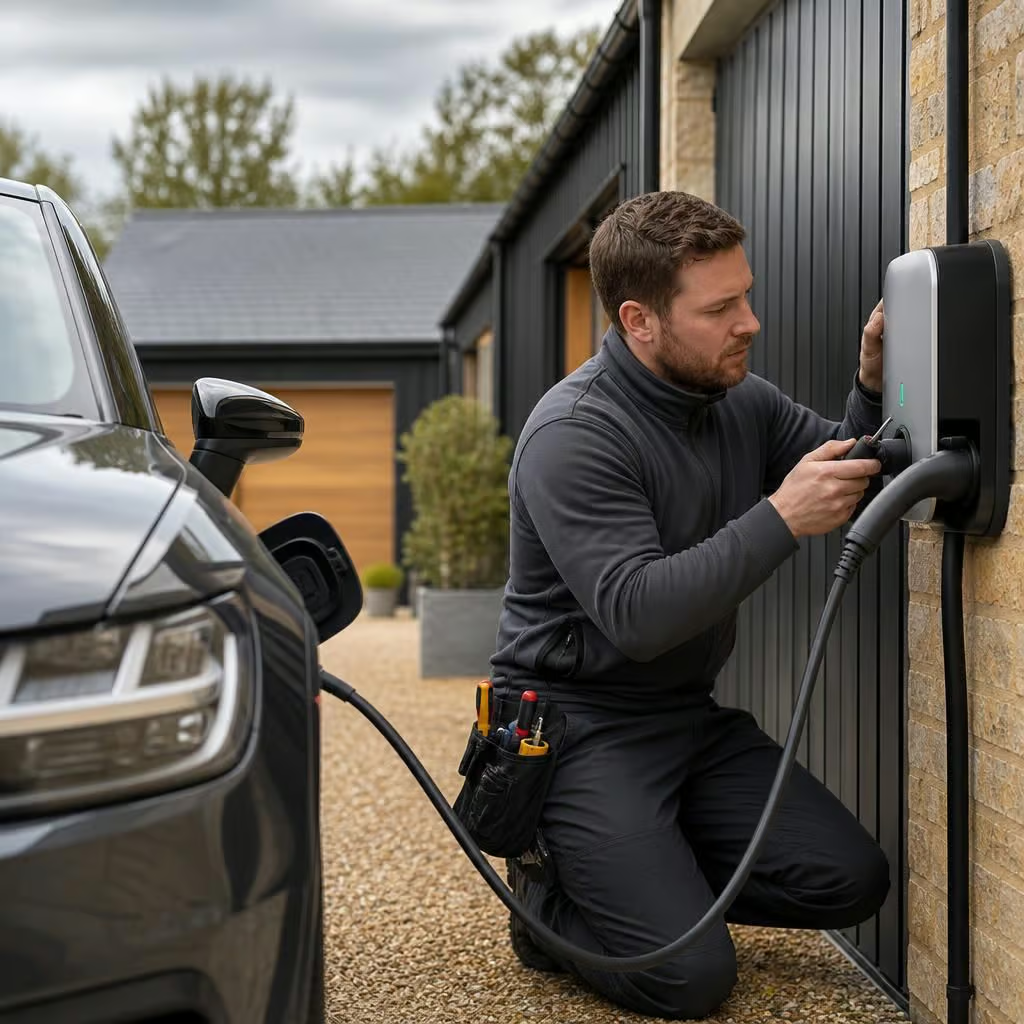
From Site Assessment to Ongoing Support
Once the station is chosen, correct protection, tidy cable termination and accurate commissioning matter. We test each circuit, set the charger safely and record the installation for future reference.
Solar panels, batteries or a second vehicle can change the charging plan. We explain how the station works alongside existing equipment and show you how to use its controls.
The Practical Details Behind a Reliable EV Charging Station
A Charger That Matches the Car
Different vehicles support different charging rates and connector arrangements. We match the station to the car, so you’re not paying for capacity it cannot use.
Load Management for Limited Supplies
If the property has a restricted electrical supply, dynamic load management can balance vehicle charging with the rest of the home’s demand. We explain when it is needed and include it in the design.
Mounting That Suits the Property
A charger may need to go on a house wall, garage or free-standing post. We position it for safe access and practical cable handling without obstructing doors, drives or walkways.
Electrical Work Checked Properly
Older installations may need attention before a dedicated charging circuit is added. NICEIC- and ECA-accredited electricians check the work, test the installation and identify any remedial changes clearly.
Controls Explained at Handover
Smart charging controls can be useful, but only when they’re set up correctly. We configure the available controls and show you how to start, schedule and stop a charge.
Clear Installation Records
Once the station is commissioned, we provide the installation paperwork and test information. That gives you a record for future electrical work, property management or fault investigation.
Support When the Setup Changes
A second electric car, altered parking arrangement or new electrical equipment can change how the station is used. We can review the existing installation and explain what needs updating.
Questions to Ask Before Choosing an EV Charging Station
What is included in the quoted cost of an EV charging station?
The quotation should separate charger equipment, installation, cable route, protective devices, testing, certification, making-good work and any required supply upgrades. Ask what remains excluded, and confirm remedial work costs.
Will my electricity supply support the EV charging station I’m considering?
That depends on the incoming supply, existing loads and charger rating. We assess capacity and protection, then explain any consumer-unit or supply upgrade before installation, so you can plan accurately.
What disruption should I expect when an EV charging station is installed?
Most home installations need a planned electrical isolation while we connect and test the station. We protect floors and walls, keep access clear, and explain any unavoidable drilling in advance.
What certification should an EV charging station installer provide?
After testing, we provide an Electrical Installation Certificate, charger commissioning details and any required building regulations notification. This paperwork records the work and confirms the station was installed and tested correctly.
What guarantee should an EV charging station installer provide?
Ask which parts carry manufacturer cover, what installation workmanship cover applies, and who handles a fault. We explain the terms, exclusions and claims process before installation, without promising any cover.
Get Clear Advice on Your EV Charging Station
If you’re comparing charging stations, tell us about the vehicle and parking space. Our NICEIC-registered electricians will explain the suitable option, installation requirements and cost, then provide the relevant certification and support after completion.