
Home EV Charger Installation
Charging at home makes an electric car practical without relying on public charge points. We assess the supply, cable route and parking position, then fit a safe home EV charger that suits your vehicle, property and daily driving.
A charger that fits your home and routine
Once fitted, the charger gives your car a dedicated place to charge on the drive, instead of trailing a portable lead indoors. A neat cable run keeps the parking area usable and reduces trip hazards.
If parking is away from the house, we discuss practical options before work starts. Surface-mounted cable, conduit or an underground route can keep the installation safe around a detached garage or outbuilding. We explain any access or making-good work needed.
Once the home EV charger is live, we show you its controls and scheduling features. That lets you choose when charging takes place around your routine. You finish with instructions and paperwork recording what we’ve fitted.
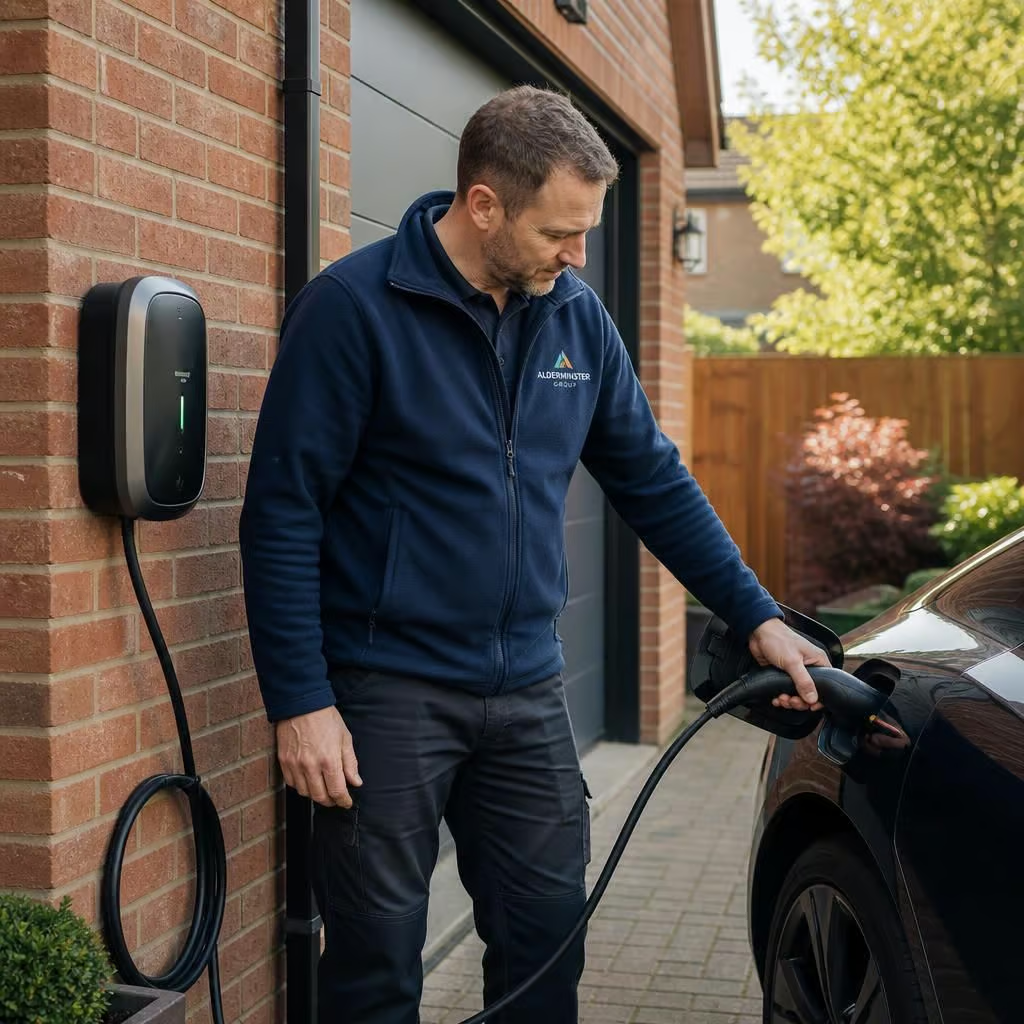
A home charger for different properties and routines
An older house, shared driveway or detached parking space can change the right charger installation. We consider the consumer unit, cable distance, access and how you use the car before recommending equipment and a practical route for the connection.
Older homes and upgraded consumer units
Older wiring or a dated consumer unit can affect how an EV charger is connected. We inspect the incoming supply, earthing and protection before recommending the installation. If an upgrade is needed, we explain why before work begins.
Detached garages and outbuildings
A garage or parking space away from the house may need a longer cable route. We compare surface-mounted cable, conduit and underground installation, then explain any access and making-good work involved.
Homes with solar panels or batteries
Existing solar panels or battery storage can change how the charger connects to the electrical system. We review the current equipment and consumer unit so the new charger works safely alongside it.
Shared drives and parking arrangements
Shared parking can make cable positioning and access more complicated. We agree a route that keeps cables protected and the parking area usable, while identifying any permissions needed before installation.
Charging around the rest of the home
An EV charger shares the electrical supply with appliances such as an oven, heat pump or immersion heater. We consider how the home is used and discuss load management where it helps avoid unnecessary strain on the supply.
A properly documented electrical installation
The installation is carried out by our NICEIC and ECA-registered electrical team. We test the charger, explain its controls and provide paperwork recording the work completed.
Questions about home EV charger installation
How much does home EV charger installation cost?
If the existing consumer unit cannot accommodate the charger’s protective devices, we explain the required upgrade before installation. That keeps the circuit protected and avoids unexpected electrical work during fitting.
What type of EV charger is suitable for my home?
The right charger depends on your vehicle, available electrical capacity and charging routine. We compare tethered and untethered models, then recommend a 7kW home charger for your property where appropriate.
Do I need permission to install a home EV charger?
A home charger usually falls within permitted development, but listed buildings, conservation areas and parking on shared or public land can differ. We flag applications or approvals before installation begins.
How disruptive is installing an EV charger at home?
Installation involves brief power isolation while we connect the dedicated circuit. We protect work areas, limit drilling, and explain any reinstatement needed before starting, so you can plan around work.
Can my electricity supply support a home EV charger?
An older supply or long cable run may limit charging capacity. We assess incoming supply and installation route, then explain whether load management or network approval is needed before fitting.
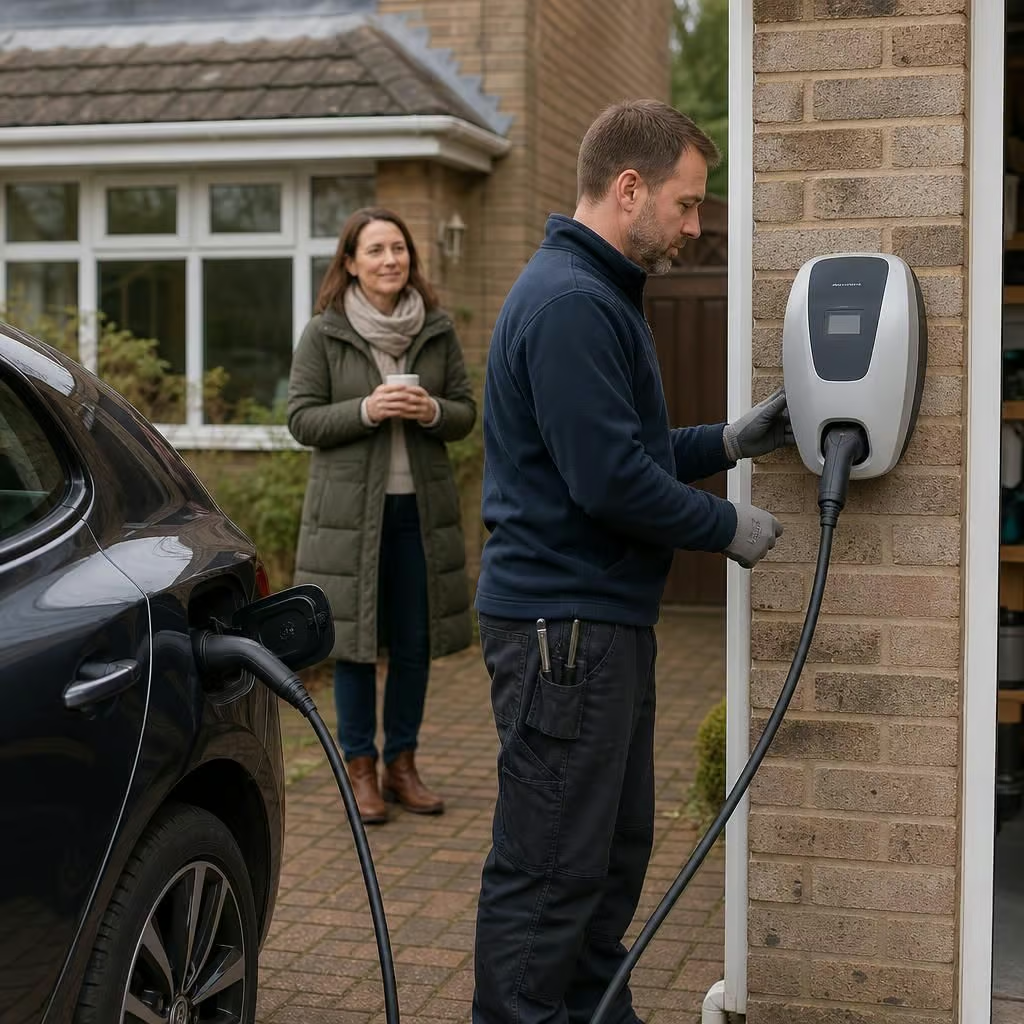
From parking problem to practical home charging
An owner of an older house wanted a fixed charger, but wasn’t sure which model suited the car or how much daily charging was needed. They also wanted to avoid buying equipment that would become restrictive if their driving routine changed.
We discussed the vehicle’s charging capability, overnight mileage and preferred controls before recommending a suitable home charger. The installation plan covered the consumer unit connection, external appearance and the position that made plugging in straightforward without obstructing the driveway.
On installation day, our electrician fitted the charger, tested its protective devices and checked the connection under load. We then demonstrated starting and stopping a charge, explained the app settings and left clear instructions for future use.
What a properly installed home charger includes
Many of our electricians have been with us for more than ten years, bringing practical experience to home charger installations where existing electrical systems, property layouts and future charging needs all need careful consideration.