
Renewable Energy Guide
This guide compares solar panels, air source heat pumps and battery storage, explaining how each works, what a survey should establish, and how the right combination can suit your home, heating system and energy use.
Solar, heat pumps and batteries: practical differences
The right renewable system depends on your home, heating demand and electricity use. Solar panels generate power, batteries shift it to later, while heat pumps replace combustion heating. We assess the practical fit before you compare costs and installation work.
Solar panels suit daytime electricity use
Solar PV works best when your roof has suitable orientation, limited shading and enough space. We check the roof, consumer unit and cable route before quoting. The panels generate electricity while the sun is available, so daytime use improves the value. MCS-certified installation also supports eligibility for the Smart Export Guarantee.
Air source heat pumps replace combustion heating
A heat pump can suit an off-gas-grid home, but the survey must assess insulation, radiator sizes, pipework and outdoor-unit position. We calculate the heat loss room by room, then identify any upgrades needed. The system uses electricity instead of oil, LPG or gas, so we work out running costs from your property rather than a standard estimate. MCS certification allows us to apply for a Boiler Upgrade Scheme grant on your behalf.
Batteries shift electricity to later
A battery stores surplus solar electricity for evening use, reducing the amount exported during the day. It can also suit a home with high evening demand, even when solar output is limited. We size it against your generation, electricity use and available space, rather than adding more storage than the property can use.
Combining systems needs careful planning
Solar, a battery and a heat pump can work together, but their controls, electrical capacity and usage patterns must match. We check the consumer unit, incoming supply, roof, heating system and equipment locations as one survey. That helps you compare the value of a single upgrade with a staged plan, including any work needed before installation.
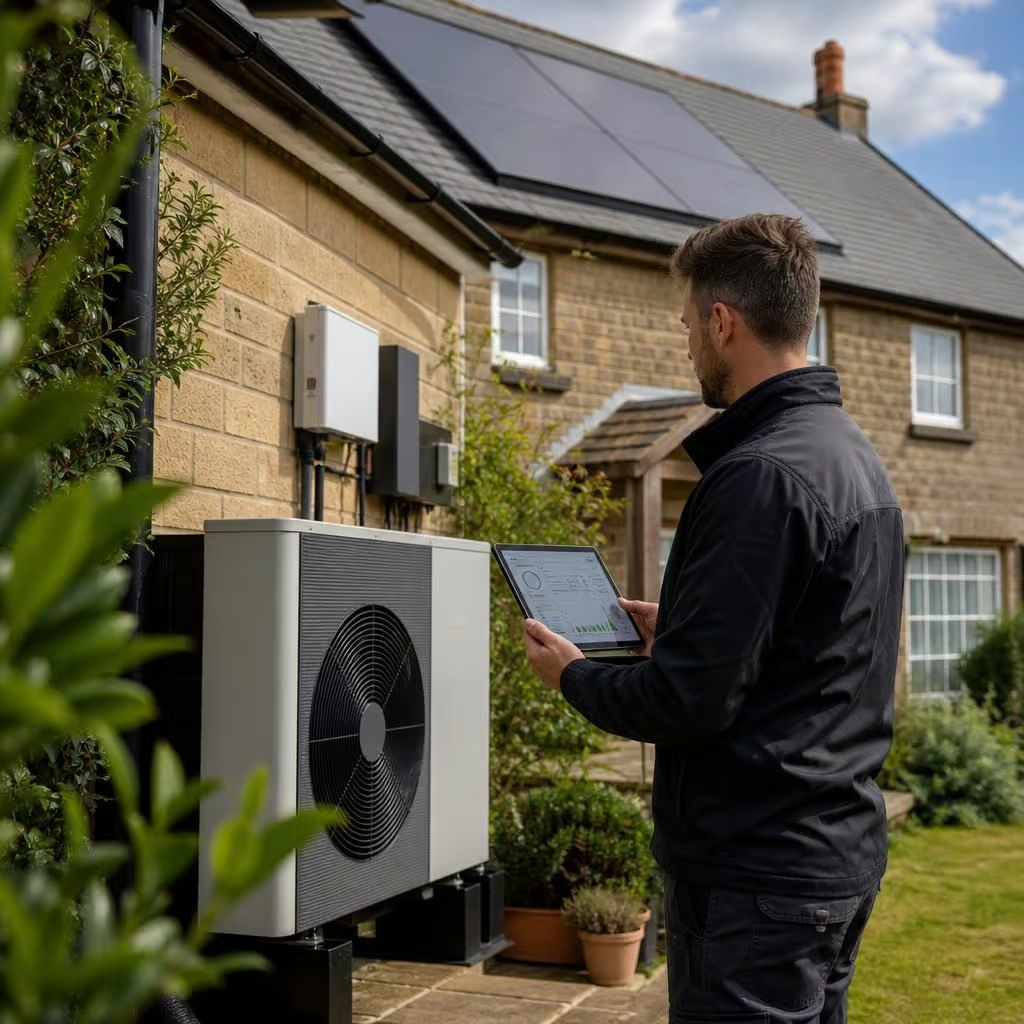
Renewable advice grounded in the whole property
An online quote cannot see a solid-wall extension, awkward roofline or oil boiler flue. We survey the property in context, using experience of older homes across Warwickshire, Oxfordshire, Gloucestershire and the North Cotswolds to avoid generic assumptions about access, heating or planning.
Separate installers may size each part correctly but miss how the systems interact. Your panels, battery, heat pump, radiators and consumer unit need a joined-up plan. We check the electrical capacity, heat loss, controls and cable routes together, so the proposed renewable energy system fits the building and how you use it.
For landlords, agents and commercial property managers, one technical team also keeps the paperwork connected. We coordinate installation records, electrical certification and heating documentation, giving you a clearer file for compliance, maintenance and future decisions.
From survey to working system
An accurate recommendation is only the start. We match equipment to how the home uses electricity, how the heating is controlled and the paperwork required, so the finished system is practical to run.
On installation day, our engineers connect and test the equipment, explain its operation and leave the records needed for later maintenance.
The practical details behind a renewable energy system that suits your home
A property-led recommendation
Older homes, solid walls and off-gas-grid heating need more than a standard online calculation. We consider insulation, heat loss, roof space, flues and planning before recommending equipment.
Energy use matched to the system
Your electricity use changes through the day, so we compare generation, heating demand and battery capacity rather than oversizing one part of the installation.
Grant and export paperwork
MCS certification means we can make a Boiler Upgrade Scheme application where the property qualifies, and your installation can be registered for the Smart Export Guarantee.
Electrical capacity checked
Solar panels, batteries and heat pumps can change the demand on an existing installation. Our electricians check the consumer unit, supply and cable routes before work begins.
Installation by one team
The same directly employed team can coordinate the panels, battery, heat pump, radiators, controls and electrical upgrades, reducing gaps between separate trades.
Records you can use later
Once the system is tested, we provide the installation records and explain the controls, so maintenance, certification and future changes are easier to manage.
Questions to ask before choosing a renewable energy installer
What should a renewable energy quotation include?
Ask for a property-specific survey, itemised costs, expected disruption, certifications, warranties, maintenance arrangements and exclusions. We explain each allowance, identify assumptions, and record what happens if requirements change during installation.
How will you assess whether my home is suitable for renewable energy?
We assess roof orientation, shading, structure, access, electrical capacity and heat loss. For older or off-gas-grid homes, we check planning constraints, existing heating and likely upgrade requirements before recommending equipment.
What certifications should a renewable energy installer provide?
Look for MCS certification for solar, batteries and heat pumps, plus appropriate electrical registration. We provide installation records, test certificates and grant paperwork, so ownership and future maintenance remain clear.
What maintenance does the renewable energy system need after installation?
After installation, we explain routine checks, cleaning and system monitoring, then record service requirements and relevant contacts. You know what to monitor and who to call if performance changes unexpectedly.
What should a renewable energy installation guarantee cover?
Guarantees should state what equipment and workmanship they cover, their duration, exclusions, and who handles claims. We record these terms with commissioning documents, so responsibilities remain clear when faults arise.
Discuss the right renewable energy system for your property
Bring your questions, energy bills and plans to an informed discussion. We’ll explain which options suit the property, provide a written quotation before work starts, use qualified engineers, complete the required certification, and offer maintenance advice after installation.