
Smart EV Charger Options
Choosing a smart EV charger means weighing charging speed, tariff control, solar integration and future vehicle-to-home features. We compare how each option fits your electricity supply, driving routine and energy plans, so you pay for useful capability, not unnecessary complexity.
Smart EV Charger Options Compared
Smart chargers differ in more than app controls. We compare tethered and untethered units, charging power, offline operation, solar diversion and bidirectional capability, then match those features to your car, electricity supply, parking arrangement and plans for home energy.
Tethered charger
If you want to plug in without handling a separate cable, a tethered unit keeps the lead attached. We check where the cable will reach and how it can be stored without becoming a trip hazard.
Untethered charger
If you want a neater wall or may change cars, an untethered unit lets you use the vehicle’s charging lead. We check the socket position, cable length and parking layout before recommending it.
Standard smart charging
If your priority is reliable overnight charging, a connected charger can follow a tariff schedule and avoid charging during expensive periods. We check the available electricity supply and set the controls around your driving routine.
Solar-compatible charging
If you generate surplus electricity, a solar-enabled charger can direct it towards the car instead of sending it to the grid. We assess the solar system, household demand and charging pattern so you understand when grid electricity may still be needed.
Load-managed charging
If your home already has electric heating, storage batteries or other substantial loads, charging needs to share the available supply. We assess the consumer unit and incoming supply, then use load management where appropriate to reduce the risk of nuisance tripping.
Offline-capable charger
If the charger is installed where the mobile signal or broadband is unreliable, app-only control can become frustrating. We discuss what still works without a connection and make sure the basic charging function suits the property.
Bidirectional-ready charging
If you are considering vehicle-to-home charging later, the car, charger and electrical installation must all support it. We discuss compatibility before installation, rather than presenting future features as something every electric vehicle can use now.
Advice That Connects Your Charger To The Rest Of Your Property
An online comparison cannot see the route from your consumer unit to the parking space. We assess cable length, wall construction, parking position and supply capacity before recommending a charger. That helps prevent an attractive specification becoming impractical.
Older and rural homes can need extra thought around outbuildings, cable routes and future energy plans. We relate the charger to existing solar panels or battery storage, rather than treating it as an isolated wall box. Your recommendation reflects the property’s electricity use.
For landlords, agents and businesses, one team coordinates the charger, certification and remedial electrical work. We explain offline operation, tariff controls and what happens if the connection drops. You can choose useful features without paying for unnecessary complexity.
What Your Smart Charger Installation Includes
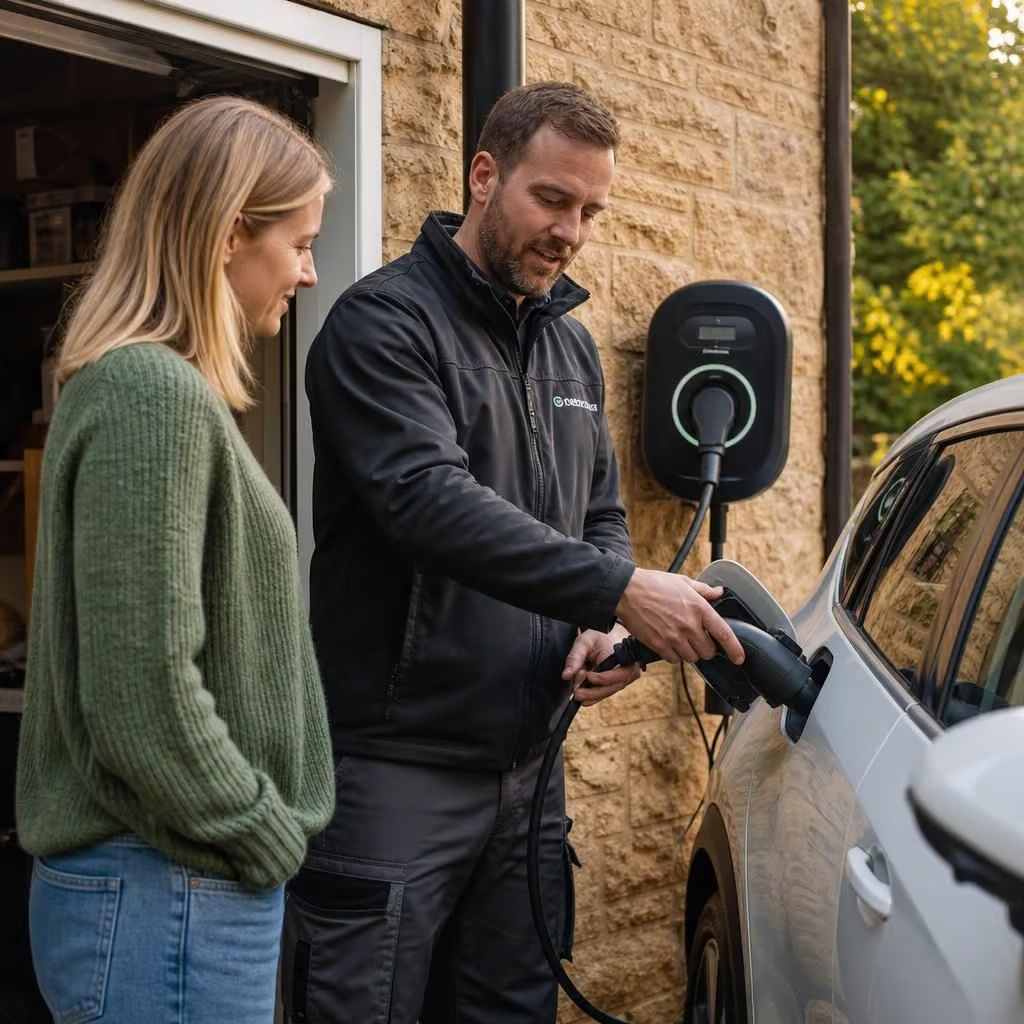
Your car, electricity supply and parking space shape the right smart charger. We assess charging power, connectivity and cable layout before recommending an option that works in practice.
Solar charging, offline control or vehicle-to-home use may need extra equipment or settings. We explain those requirements, so you can compare useful capability with features you may never use.
The Practical Checks Behind A Reliable Smart Charger
Features That Earn Their Place
You may not need every app setting or charging mode. We compare the controls you will use, so the charger is capable without becoming difficult to manage.
Protection For The Existing Installation
An older consumer unit or busy electrical system may need attention first. We identify any required protective devices or upgrades before installation, so the charger is properly integrated.
A Suitable Charging Output
Your daily mileage and vehicle determine how much charging power is useful. We recommend an output that suits the car and household supply, rather than choosing the highest specification automatically.
Charging Around Your Routine
If you charge at set times, we configure the controls around your driving pattern and electricity arrangements. That makes smart charging practical instead of leaving you dependent on manual starts.
Certified Electrical Work
Your charger is installed by our NICEIC- and ECA-qualified electrical team. We complete the required testing and provide the certification for the finished installation.
A Clear Costed Recommendation
You receive a written quotation before work starts, including any electrical changes the installation needs. That lets you compare the useful option with higher-cost features you may not require.
Help After The Charger Is Live
If the app, controls or charging behaviour need attention later, our own team can investigate the installation and its settings. You do not have to start again with an unrelated installer.
Questions to Ask Before Choosing a Smart EV Charger
What exactly is included in the smart EV charger quotation?
Ask for a written quotation covering the charger, cabling, consumer-unit work, certification, app setup and disposal. Confirm site suitability, disruption, warranty terms, maintenance and future call-out costs before work proceeds.
Can I change electricity tariffs without replacing the smart EV charger?
Most smart chargers can remain installed when you change tariffs, but app integrations may differ. We check compatibility with the provider and explain any settings, account or connectivity changes required.
What support is available if the smart charger stops working?
If the charger stops working, we check the power supply, protection and connection before testing the unit. We identify whether the fault is electrical, software-related or requires manufacturer support next.
What guarantee comes with a smart EV charger installation?
Guarantee terms vary by charger and installer. We set out manufacturer warranty, workmanship cover, exclusions and claim route in writing, so you know who handles faults and what remains chargeable.
What maintenance does a smart EV charger need after installation?
Routine maintenance is limited, but we recommend checking cables, connectors and protective devices during electrical inspections. We also review firmware and app settings if the charger's behaviour changes after installation.
Talk Through Your Smart EV Charger Options
Tell us what you need from a smart charger, and we’ll give practical guidance for your property, explain suitable options and required certification, then complete the installation. You’ll receive a written quotation before work starts and support afterwards.