What support is available if the smart charger stops working?
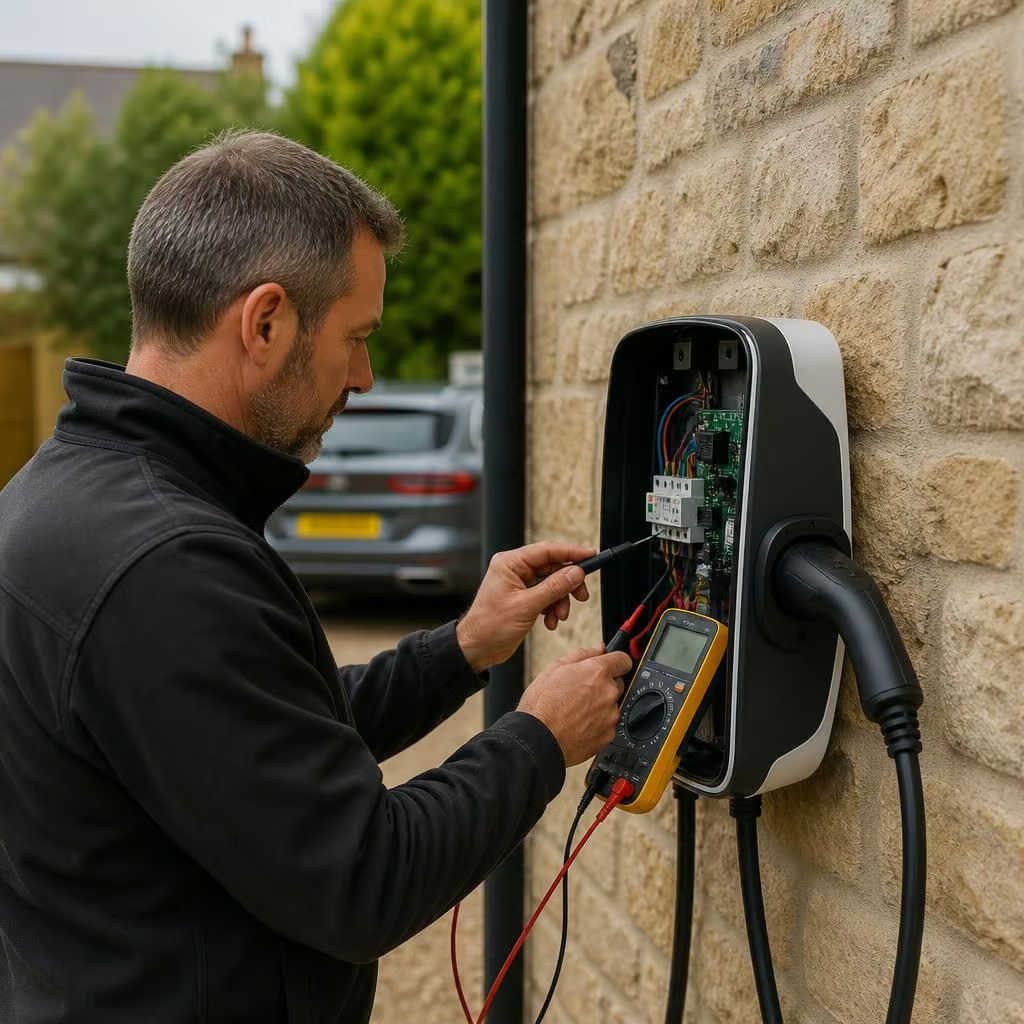
If your smart charger stops working, we check the electrical supply, charger, vehicle connection and app or network settings to find the fault. We then explain whether it needs a reset, repair or replacement, and provide a written quotation before any chargeable work starts.
What happens next depends on where the fault sits. A smart charger can stop working because of the electrical supply, the charger itself, the vehicle, the internet connection or the control app. We identify the cause before recommending a repair or replacement, so you do not pay for new equipment when the fault lies elsewhere.
Start with the safe checks. Look at the charger’s status light and check whether the vehicle recognises the cable. If the charger has lost power, check the relevant consumer unit switch only if it is safe to do so. Do not remove the charger cover or repeatedly reset a circuit that keeps tripping.
A burning smell, melted plastic, scorch marks, unusual heat, water ingress or damaged cabling needs attention from a qualified electrician. Stop using the charger and keep away from damaged parts. We can inspect the circuit, protective devices, cable and charger before restoring power.
If the charger has power but will not start a charge, the fault may be with the vehicle connection, charge settings or authorisation in the app. We check the cable, socket or tethered lead, charging schedule and any limits set in the vehicle or charger controls. A scheduled charge can look like a failed charger when it is simply waiting for its programmed time or tariff period.
If the app shows the charger as offline, the electrical charging function may still be working. A weak Wi-Fi signal, changed router, interrupted broadband connection or loss of communication with the manufacturer’s service can affect remote control and energy monitoring. We separate the charging fault from the connectivity fault, then explain which settings or equipment need attention.
Remote features can also stop working after a router change, password change or app update. We check the connection at the charger and confirm that the control system matches the installation. If the charger needs manufacturer support, we record the fault clearly so the correct technical information is available.
A charger that trips the circuit needs more than a reset. The cause could be an earth leakage issue, a problem with the charging cable or vehicle, a protective device operating correctly, or a fault in the charger. We test the dedicated circuit and its protective equipment, inspect the terminations and carry out electrical tests before deciding whether the charger can remain in service.
The property’s wider electrical installation matters too. An older consumer unit, a recently altered circuit or other high-load equipment can affect how the charger operates. Where relevant, we check the supply arrangement and the protection provided for the charging point rather than treating the charger in isolation.
If the charger itself has failed, we establish whether a repair is practical and whether replacement parts are available. Some faults can be corrected through testing, reconnection or control settings. Others require a replacement control board or complete unit. We explain the finding and provide a written quotation before chargeable work starts, with no surprise charges.
Replacement is not always a like-for-like job. The existing cable route, mounting position, earthing arrangement, protective devices and available supply may need checking first. If the replacement model has different connectivity or load-control requirements, we account for those before installation so the new charger works with the property’s electrical system.
If the charger is still within a manufacturer’s warranty period, we can help identify whether the fault relates to the equipment or the installation. Keep the purchase details, installation paperwork and any fault codes available. These records can make it easier to establish the correct warranty route, although the manufacturer decides the terms of its warranty.
Electrical fault-finding and remedial work are carried out by our NICEIC-registered electricians. That means we can test the fixed wiring and protective equipment as well as the charger, rather than stopping at an app reset or visual inspection.
After the work, we explain what failed, what we changed and any settings that affect charging. We also provide the relevant paperwork for the work completed. If the charger needs replacement, you can then compare the cost and practical benefit of repair against installing new equipment with clear information in front of you.
If the charger works sometimes but fails at other times, note what happens before each failed session. Record the charger light, any message in the vehicle or app, and whether other equipment was running. A screenshot or short video can be useful when the fault disappears before we arrive.
We use that information alongside electrical testing to reproduce the problem where possible. You then have a clearer answer about whether the cause is the charger, the installation, the vehicle or its controls, rather than replacing equipment based on a guess.