
Harness Wind Power at Home
A home wind turbine can turn a suitable rural property into a source of locally generated electricity. We assess wind exposure, planning constraints and grid connection first, then explain what the system could contribute before you decide.
Generate your own electricity and take greater control of household energy costs
A suitable home wind turbine can turn exposed land into useful electricity, giving your household another source of power when solar generation is lower.
We assess wind exposure, planning and grid requirements first, so you know what the turbine could contribute and what installation would involve in practice before deciding.
Make use of an exposed site
A property with open land and steady wind may generate useful electricity beyond the roof area available for solar panels.
Understand the likely output
Your assessment considers wind exposure and the turbine position, so the expected contribution is based on the site rather than a headline estimate.
Know the planning position
Planning constraints are checked before work is proposed, giving you a clear view of what the installation may require.
Use more of the power you generate
A suitable turbine can provide another source of electricity for the home, including at times when solar generation is lower.
Plan the grid connection properly
The connection requirements are considered early, so the proposal accounts for how generated electricity will work with the property.
Choose an installation that fits the property
Older and rural homes need practical planning, so we discuss access, positioning and the installation work before you commit.
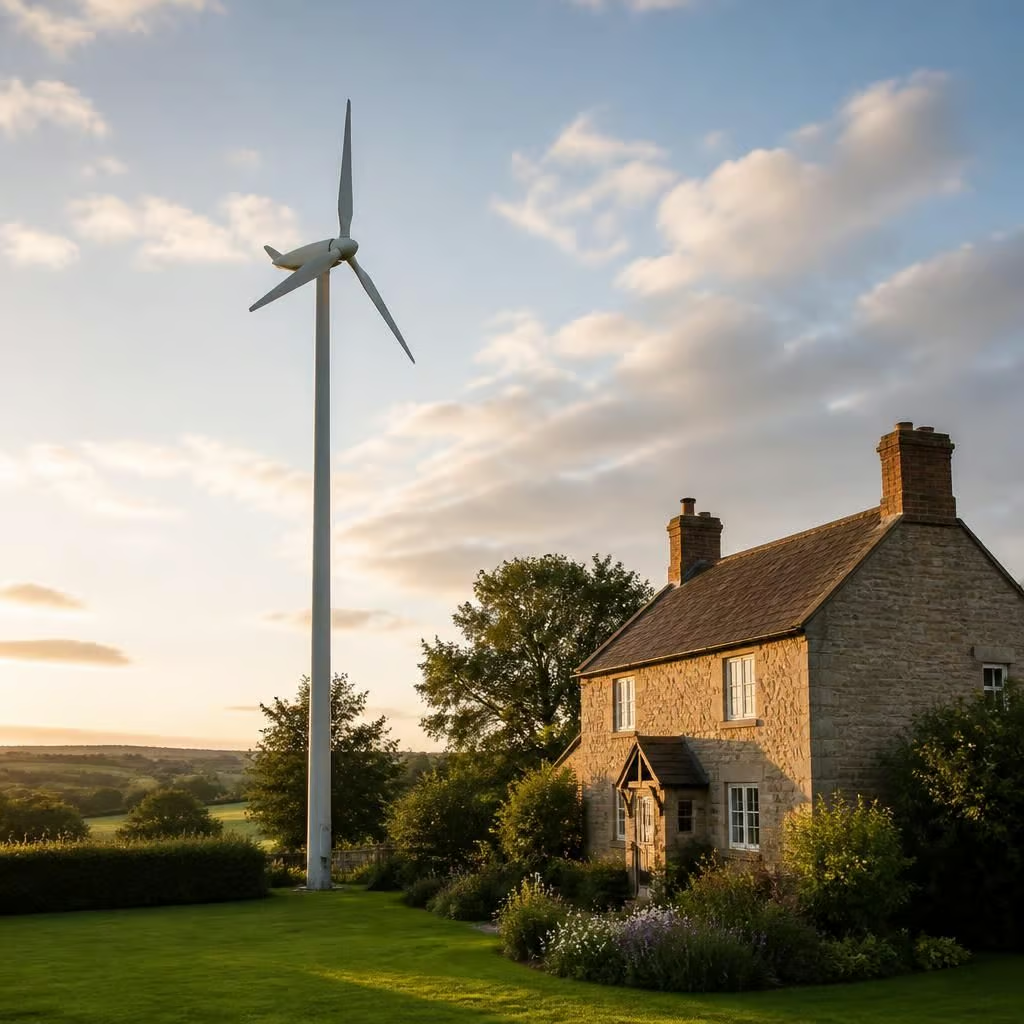
Turn exposed land into electricity you can manage
Electricity generated on your land can feed your home directly, reducing the amount you need to buy from the grid. We size the turbine around the site and household demand, rather than chasing a headline output.
A turbine needs more than wind: access for installation, a suitable foundation and a safe cable route all affect the work. We set these requirements out before you commit, so the finished installation creates fewer surprises for your property.
Once running, the system gives you a clearer view of when power is being produced and used. We explain the controls, metering and maintenance requirements, leaving you with a working generator you can manage confidently and assess against your household’s actual electricity costs.
Turn a promising site into a practical home wind turbine
Your electricity use may not match the hours a turbine produces, especially if the household is empty during the day. We compare expected generation with how the property uses power, then explain the balance between self-use and exported electricity. That gives you a practical basis for deciding whether the project earns its place.
An exposed plot can still raise concerns about appearance, noise or how neighbours may experience it. We discuss these points alongside the planning position, so the proposal reflects the setting as well as the energy target.
When the design is agreed, we arrange the electrical installation and explain how to read the system’s output. You finish with a generator sized for the property, clear expectations about its contribution and a plan for ongoing checks.
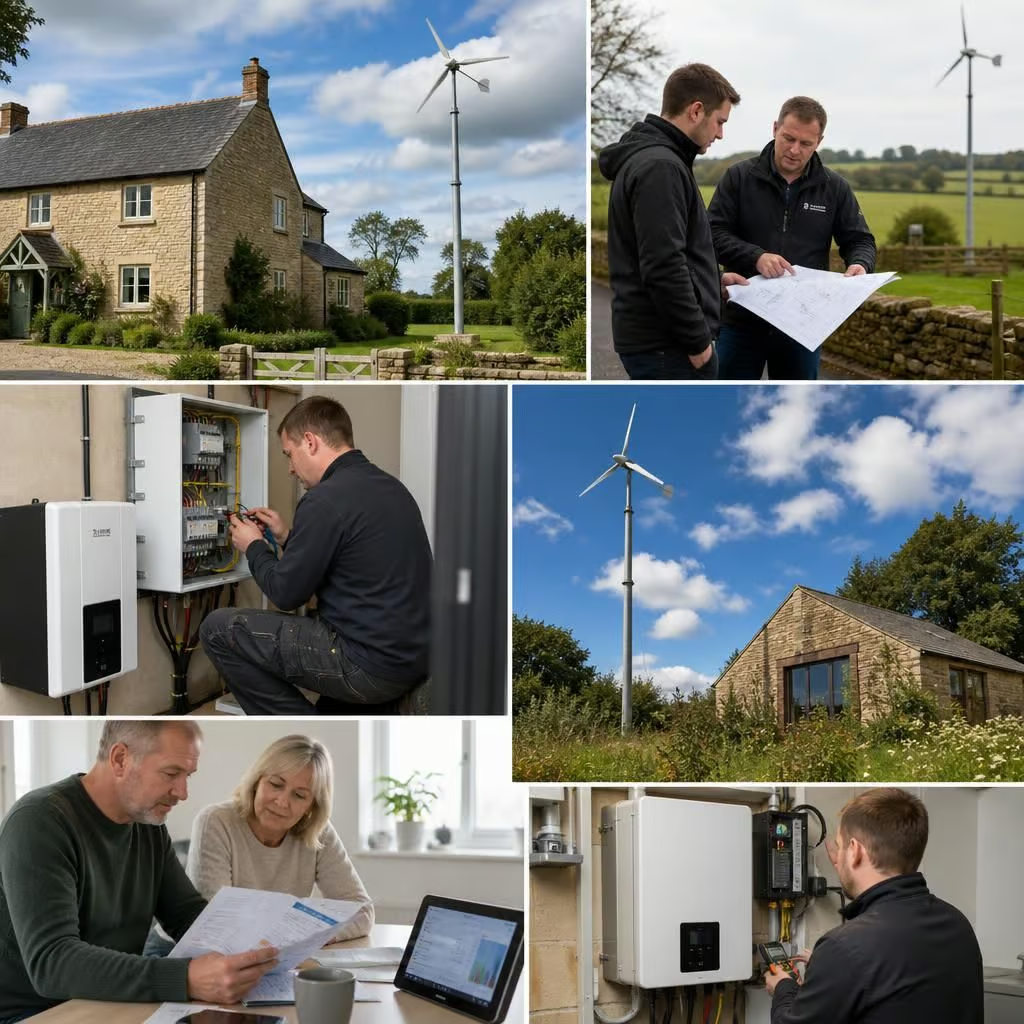
What careful home wind turbine planning delivers
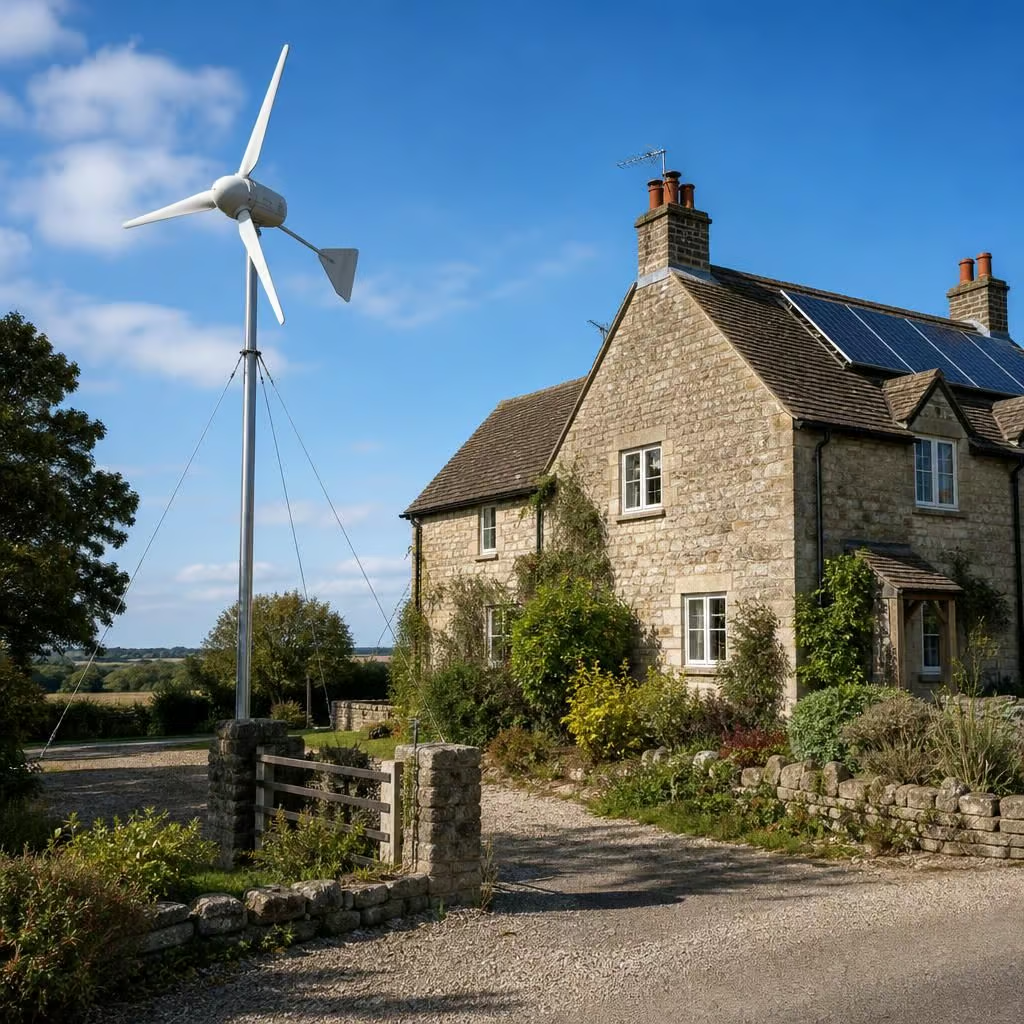
Know when wind power suits the property
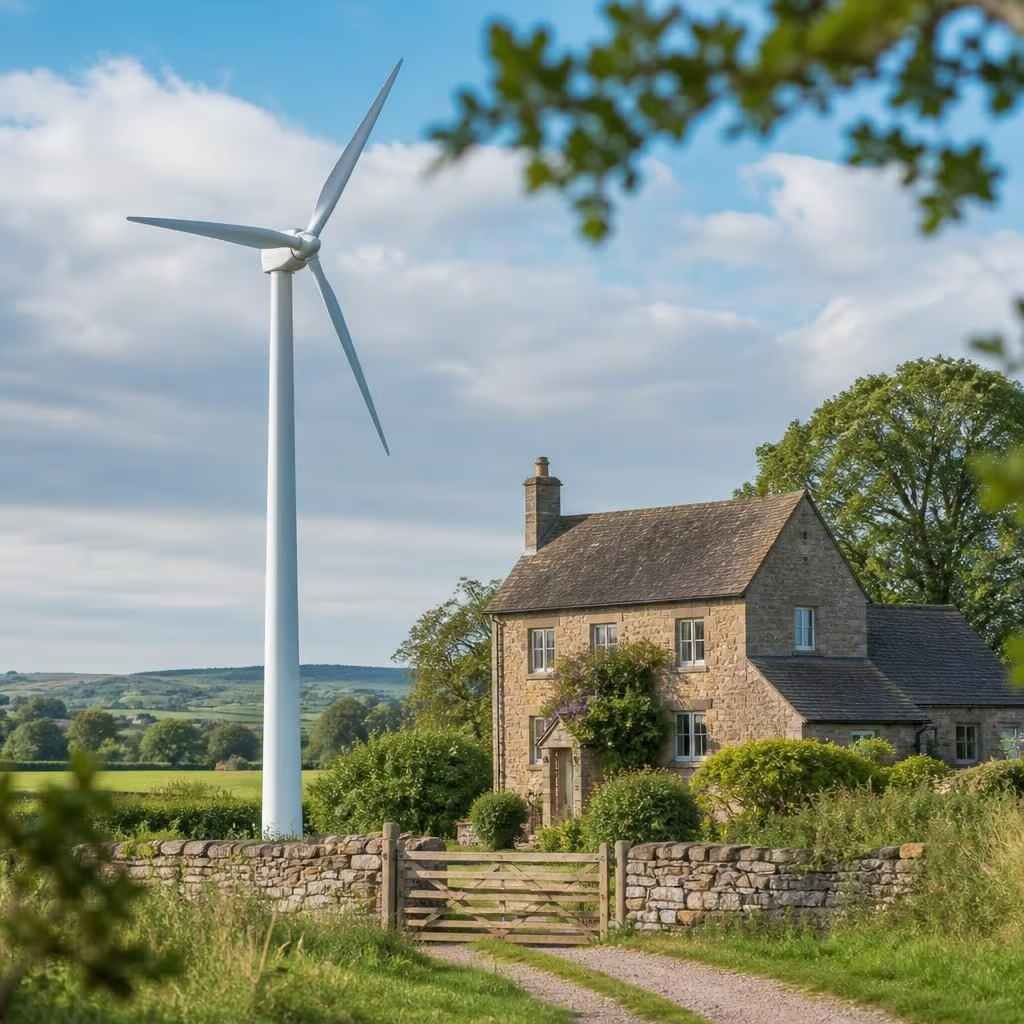
A rural location alone doesn’t make a wind turbine worthwhile. We assess the site, electricity demand and practical constraints before recommending equipment. If the wind resource or planning position doesn’t support the project, we’ll explain why. You can make a decision based on evidence rather than a hopeful estimate.
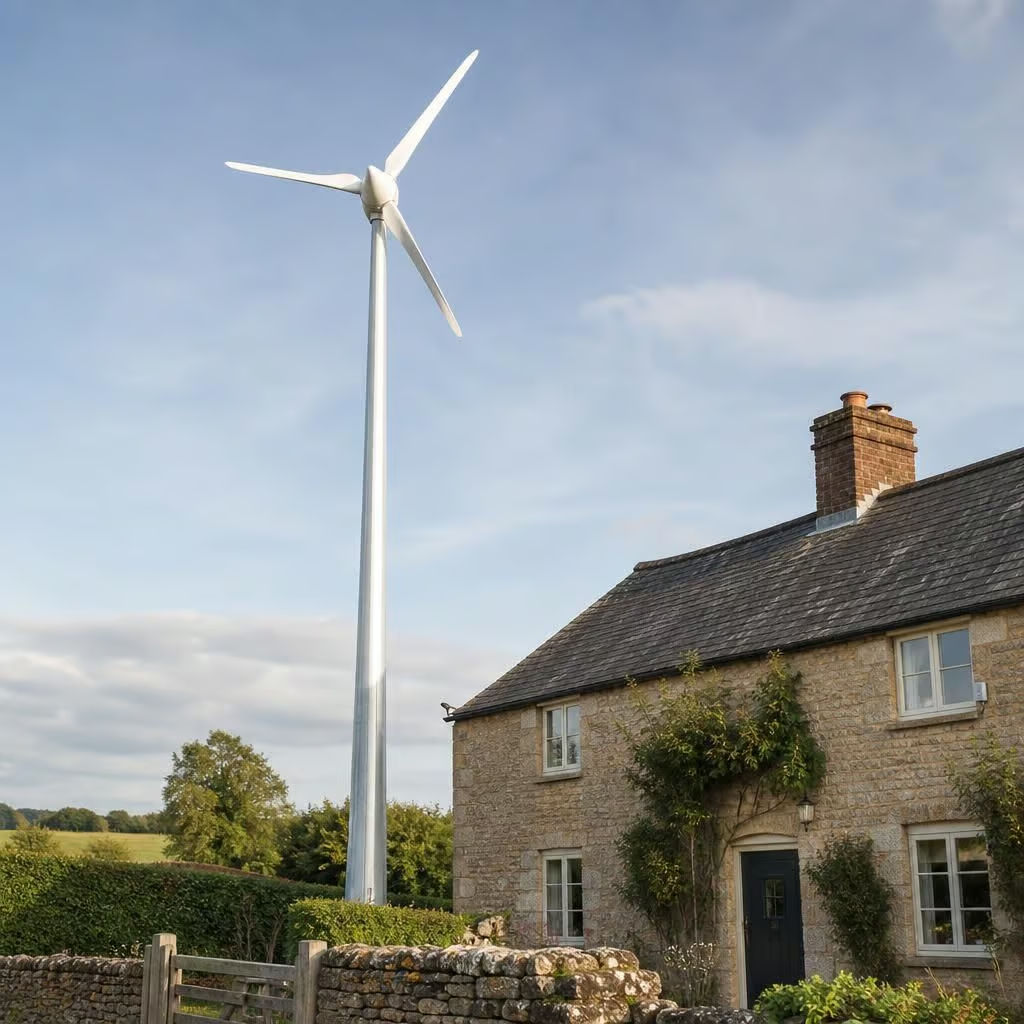
Plan the installation around the home
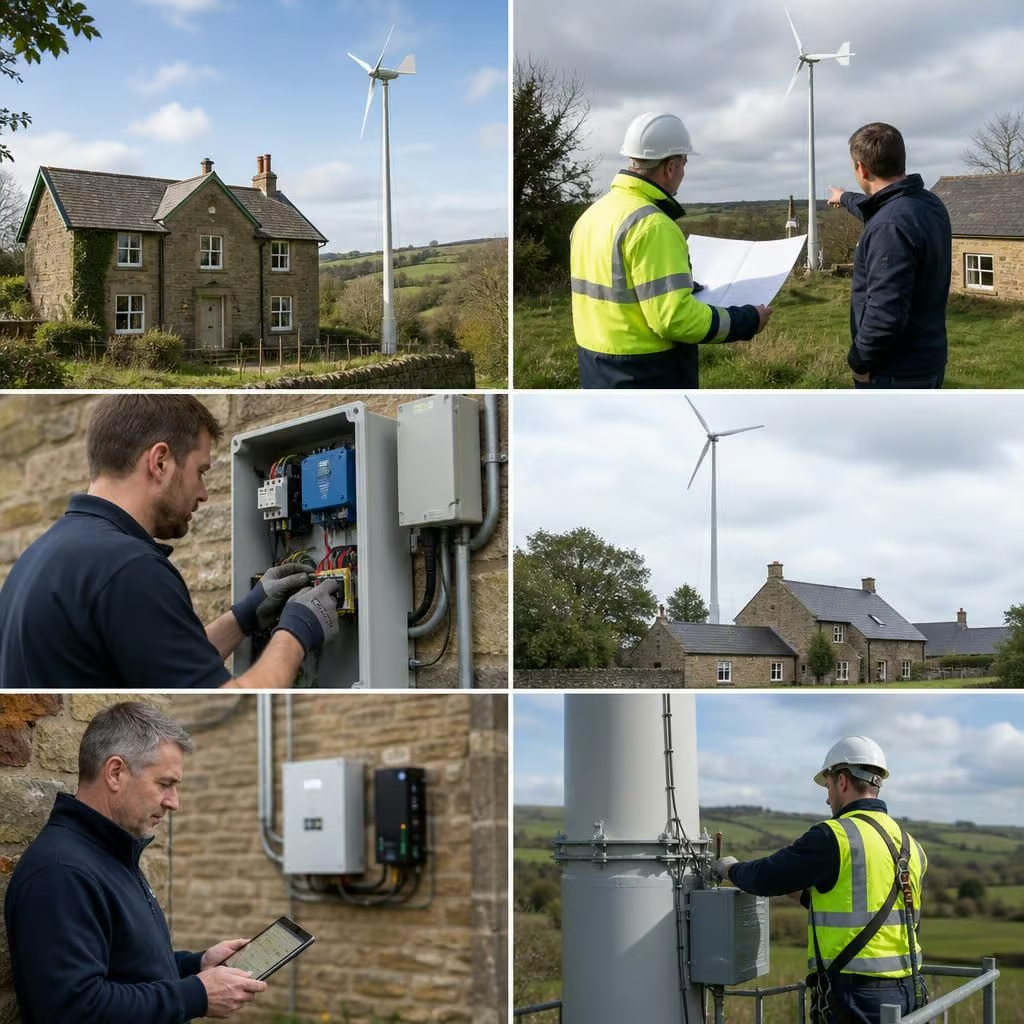
A turbine needs more than a suitable piece of land. Access for materials, the mast position and the route back to the consumer unit all affect the work. We plan these details before installation, so the finished system fits the property and the electrical connection is properly considered.
Connect generation safely to the household
The turbine becomes useful when its electricity works with the rest of the home. We assess the existing electrical installation and identify any changes needed before connecting the generator. That helps avoid finding unsuitable wiring or capacity limits after the installation has started.
Work carefully around older properties
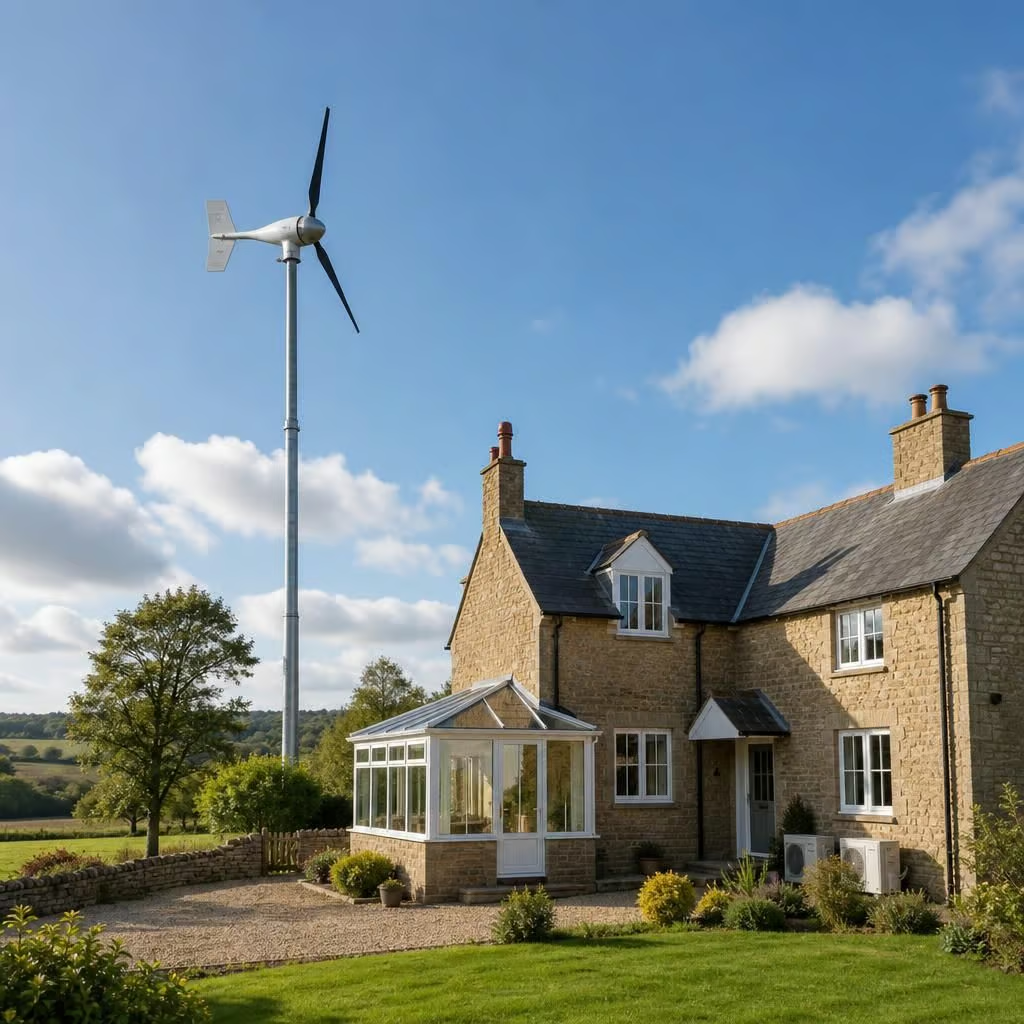
Older homes can have unusual wiring, outbuildings and electrical arrangements that need closer attention. We account for the existing installation rather than treating the house like a new build. The result is a wind system planned around the property you actually own.
Understand what the turbine is producing
Once the system is commissioned, you need to know what its readings mean. We explain the controls, generation data and electrical arrangements during handover. You’re left with clear information for checking performance and knowing when the system needs attention.
Keep the system under review
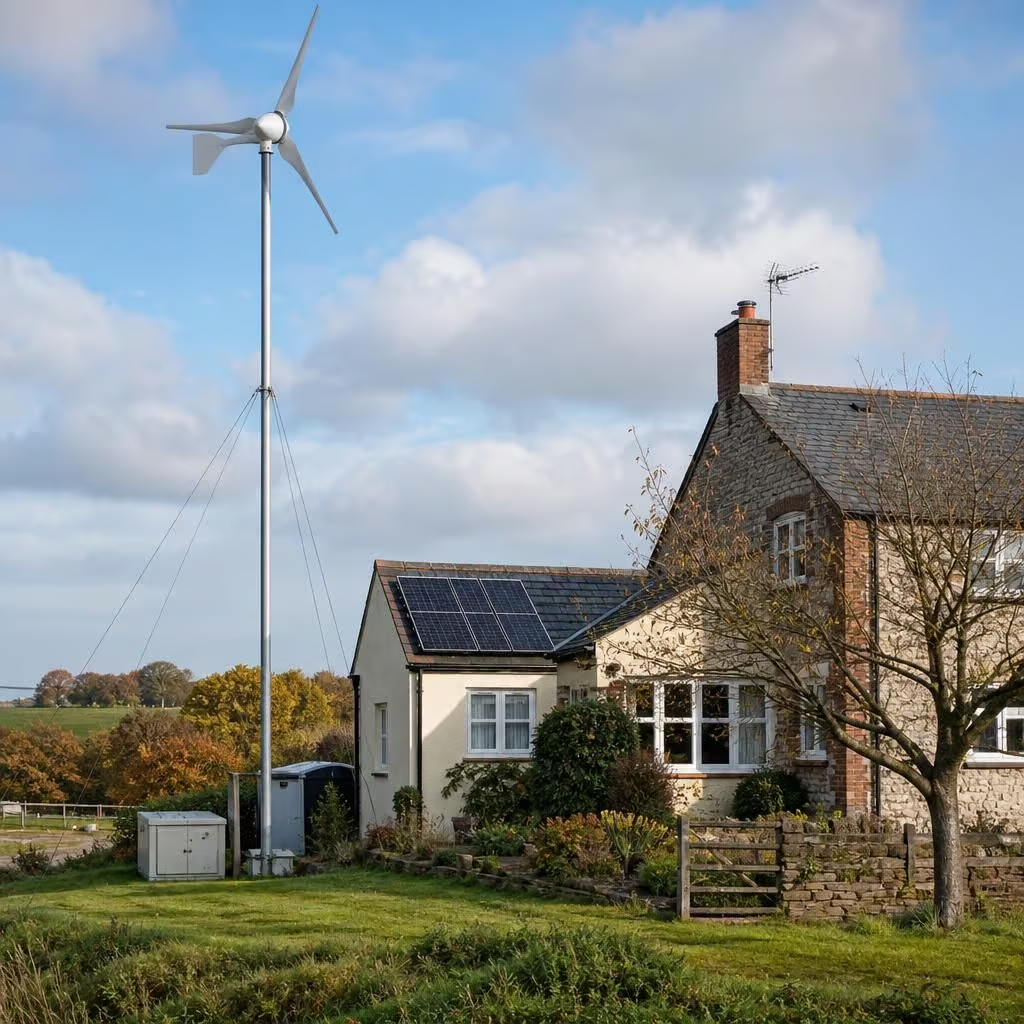
Wind equipment is exposed to changing weather, so its condition matters over time. We can discuss the checks needed for the turbine, electrical connection and supporting equipment. Regular attention helps identify faults before they affect the rest of the home’s supply.
Questions About Domestic Wind Turbines
How much maintenance does a domestic wind turbine need?
A domestic wind turbine suits exposed sites with reliable wind, not simply large gardens. We assess wind resource, access, planning position and grid connection before recommending suitable equipment for the property.
How much disruption does installing a domestic wind turbine cause?
Installation needs a working area for the electrical equipment and turbine base. We plan cable routes and access beforehand, protect surfaces during installation, remove waste and leave the property tidy.
How much electricity can a domestic wind turbine generate?
Output depends on wind speed, turbine size, tower height and local turbulence. We model these conditions against household demand, so you can judge generation rather than rely on advertised figures.
How much does a domestic wind turbine cost?
Costs depend on the turbine, tower, foundations, access and electrical connection. We survey those requirements, identify planning or grid-related work, then provide a written quotation before you commit to installation.
Do domestic wind turbines need planning permission?
Planning permission depends on turbine height, location and design. We identify the planning position and any restrictions before quoting, then explain the applications, drawings and approvals needed for your property.