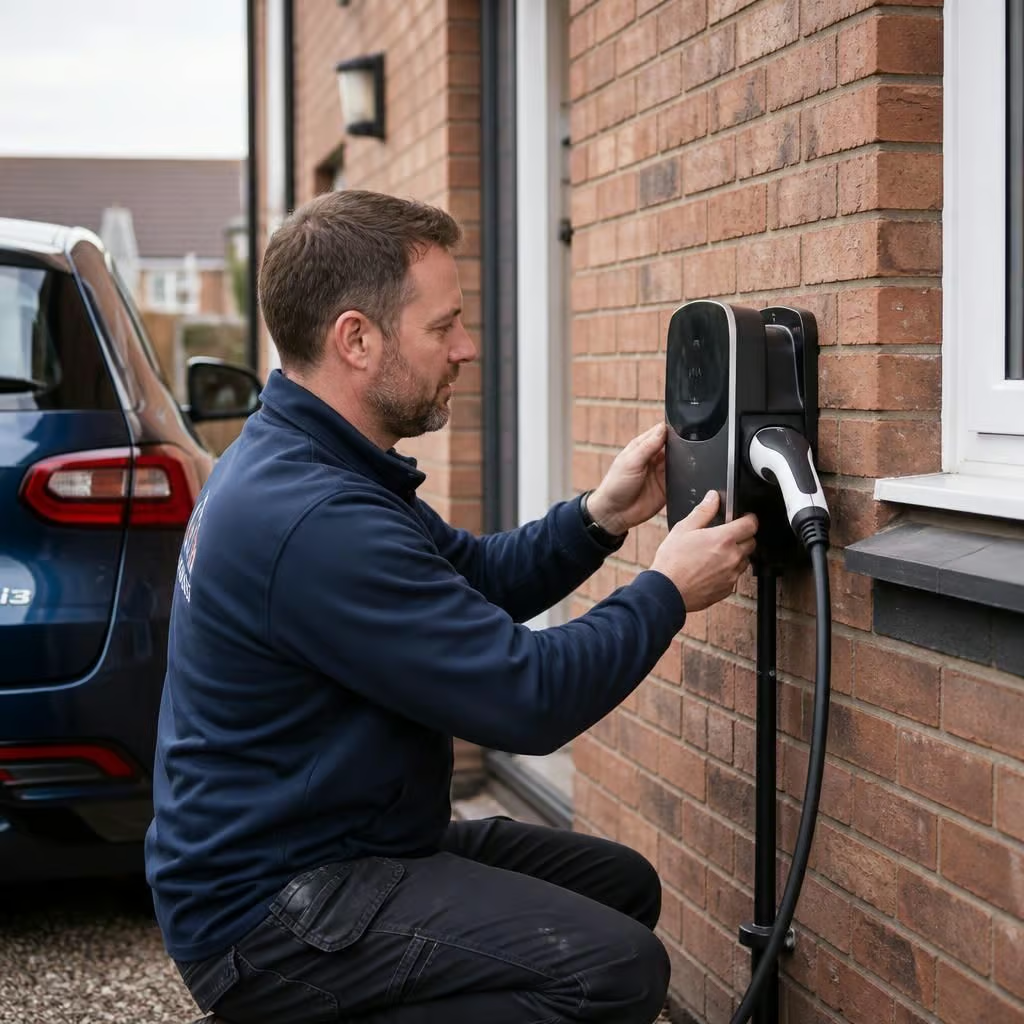
Check Your EV Charger Requirements
Before you choose a charge point, we check whether your electrical supply, consumer unit, earthing and cable route can support it. We then explain any required work and provide a clear quotation for safe installation at your home.
The checks behind a safe home charge point
Your charging routine affects the electrical arrangement. Overnight charging or several high-demand appliances can change the suitable equipment. We assess those demands so the charge point works with the rest of the home.
A three-pin plug may suit occasional use, but it isn’t the same as a dedicated installation. We explain the connector, protective devices and preparation needed for charging.
Supply capacity checked
If the incoming supply has limited capacity, we identify that before installation and explain the practical options.
Consumer unit protection
If the consumer unit needs additional protection or space, we set out the required electrical work before fitting the charger.
Earthing verified
We check the earthing and bonding arrangements, so the charge point can be connected safely to the property.
Dedicated circuit planned
We plan the dedicated circuit from the consumer unit to the charge point, including the protective equipment it needs.
Cable route agreed
If the charger is on a driveway, outbuilding or detached garage, we explain the cable route and any access work involved.
Installation tested
NICEIC-registered electricians test the completed installation and provide the electrical certification for your records.
Questions About Your EV Charger’s Electrical Requirements
Can an EV charger be installed at a terraced house?
An off-street space isn’t essential in every case, but cable placement matters. We discuss safe options for your property before recommending equipment and agreeing next steps.
Will EV charger installation disrupt my home?
Most installations cause limited disruption. We protect working areas, route the cable carefully and explain any necessary access through walls, cupboards or loft spaces before work begins, with advance notice.
Can my existing electrical supply support an EV charger?
Older homes may have limited capacity or an outdated supply arrangement. We review the incoming supply and available load, then tell you if an upgrade is needed before installation proceeds.
Does an EV charger need its own circuit?
A dedicated circuit protects charging from competing with household loads. We size the cable and protective devices for the selected charge point, then test the completed circuit thoroughly before use.
Will my home need an earth rod for an EV charger?
Some installations need an earth rod, depending on the supply and earthing arrangement. We assess this during inspection, explain the reason clearly, and include any required work in our quotation.
Careful Charge Point Installation, Clearly Explained
An older or terraced home can make cable routing difficult. We consider the meter position, wall construction and parking arrangement before recommending the charge point location. If the shortest route causes disruption, we explain alternatives and their effect on price.
You receive a written quotation before work starts, setting out the charger position, cable route, protective equipment and preparatory work. You can then compare the installation price with the work actually required.
On installation day, we protect floors and finished surfaces, keep cablework neat and leave the area clean. We show you how the charge point operates, check the controls with you and record settings for later support. We support homeowners across Warwickshire, Oxfordshire, Gloucestershire and the North Cotswolds.