
Commercial Solar Power
Commercial solar power can reduce the electricity your business buys from the grid. We assess the roof, energy use and battery potential, then design a photovoltaic system suited to commercial buildings across Warwickshire, Oxfordshire, Gloucestershire and the North Cotswolds.
More Control Over Your Business’s Energy
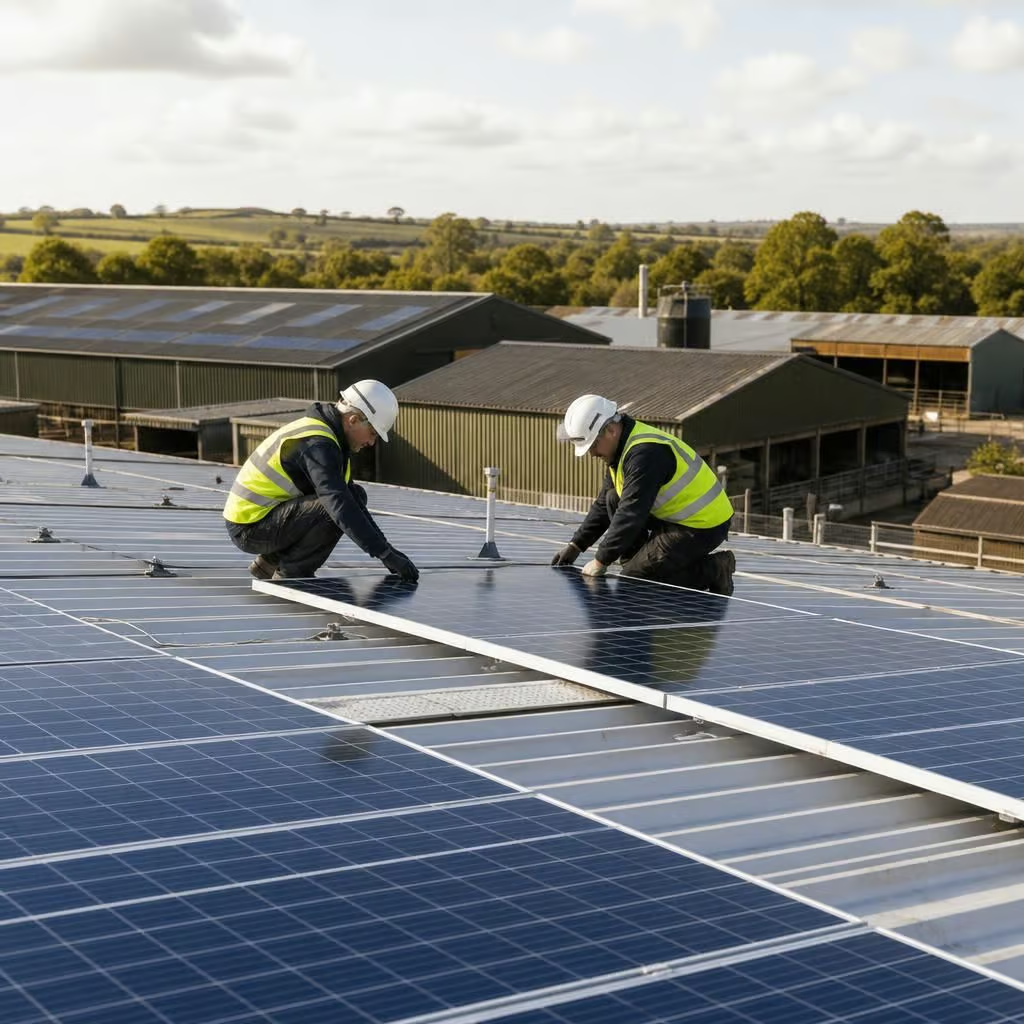
A warehouse, farm unit or office can use solar generation for lighting, refrigeration, machinery and office equipment while the business operates. The completed system turns part of the roof into a working electricity source, with generation matched to the building’s day-to-day demands. Staff can carry on using the equipment that matters to the business.
Where demand continues after daylight, a battery stores suitable surplus for later use. We position it alongside the existing electrical installation, keeping maintenance access clear. Staff can then see when stored electricity is being used.
On installation day, we coordinate cable routes, isolations and roof access to limit disruption. Once commissioned, monitoring shows generation, consumption and battery activity, helping staff judge performance.
Solar Power for Different Commercial Sites
Every commercial roof brings different constraints. Building use, roof condition, electrical capacity, planning requirements and the timing of demand all affect the photovoltaic system we recommend, so the design fits the site and its working pattern.
Landlord-managed commercial units
Where several businesses share one building, we review the incoming supply, roof arrangement and meter positions before proposing solar. The design can then reflect how electricity is used and who needs access to the monitoring information.
Roofs with limited usable space
Plant, rooflights, access routes and shaded sections can reduce the area available for panels. We map those constraints during the survey, so the proposed system is based on usable roof space rather than its full footprint.
Buildings with changing demand
A workshop, office or retail unit may use much more electricity at some times than others. We compare the proposed generation with the building’s operating pattern, so the system is sized around genuine demand.
Older electrical installations
An older commercial building may need electrical work before solar can be connected. We assess the existing installation and explain any consumer unit, cabling or protection changes before work starts.
Sites that must keep operating
If the premises cannot simply close during installation, we plan roof access, cable routes and electrical isolations around the working site. The quotation sets out the work involved before the installation date.
Properties with planning constraints
Listed buildings, conservation areas and unusual roof structures can affect a solar proposal. We identify planning and building considerations during the assessment, so the design reflects the property rather than assuming a standard roof.
Demand that continues after daylight
A business using electricity into the evening may have suitable surplus generation to store. We assess battery capacity alongside the solar design, considering its location, access and connection to the existing installation.
Questions to Ask Before Choosing Commercial Solar
Will our commercial roof support solar panels?
Before pricing, we inspect roof condition, access, asbestos risk, electrical capacity and working patterns. That survey identifies necessary preparation, prevents changes, and gives you a written quotation before work starts.
What does commercial solar installation cost?
Solar costs depend on roof size, electricity use, battery capacity and electrical preparation. We assess these, then provide a clear, itemised written quotation before work starts, with no surprise charges.
How disruptive is commercial solar panel installation?
Your business can plan around the work: we agree access arrangements, protect occupied areas, isolate equipment safely, and leave clear documentation so staff know what changed before reopening each area.
How is commercial solar performance monitored after installation?
After commissioning, we show your responsible person how to read the monitoring data and identify unusual changes. That makes ongoing checks practical and gives us useful information if faults develop.
What paperwork should commercial solar installers provide?
Your responsible person needs records after handover, so we provide system diagrams, commissioning information, equipment details and operating guidance. That supports compliance checks, maintenance planning and future electrical work safely.
From Energy Costs to a Working Solar System
A farm business wanted to use its large roof to reduce daytime electricity purchases without disrupting work in the buildings below. Its existing supply also needed to accommodate generation safely.
We surveyed the roof, electrical intake, cable routes and working patterns. The recommendation combined commercial photovoltaic panels with battery storage, allowing suitable surplus to remain available after generation falls. We explained the expected output and the costs for that site before work began.
During installation, our team protected stock and kept access routes usable. We tested the system, completed the commissioning paperwork and showed the staff how to read its generation and battery data. They finished with clear instructions, certificates and a system matched to the business’s daily demand.
Evidence from Commercial Solar Projects
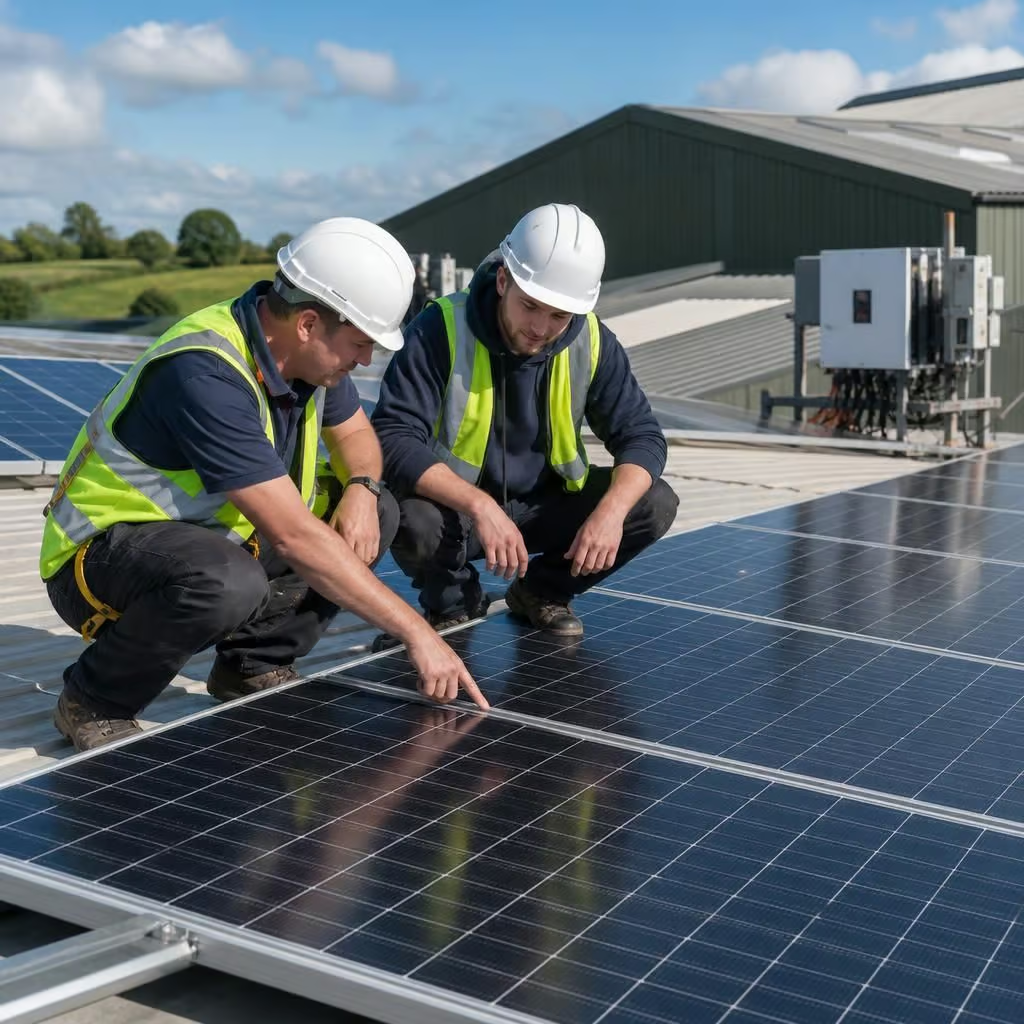
Your commercial array needs an installer that understands more than panel placement. We were among the area’s earliest certified solar installers, bringing long experience of generation, export paperwork and the electrical work that supports larger sites.
Discuss your commercial solar project
Tell us how your premises uses electricity, what you want the system to achieve and any concerns about roof access or disruption. We’ll discuss suitable next steps, including whether battery storage, export or phased installation fits your commercial solar project.