
Ground Source Heat Pumps
Ground source heat pumps use buried pipework to collect low-temperature heat for your home. If you have suitable land and want to replace oil, LPG or electric heating, we’ll assess the site, explain the cost and prepare a clear quotation.
The Practical Benefits of Ground Source Heating
Ground source heating provides steady warmth, helping rooms feel more even than short boiler cycles. With no indoor combustion appliance or flue, the plant room can be simpler.
We match the system to your radiators or underfloor heating and explain the controls. You’ll know the electrical requirements and indoor changes before work starts, rather than discovering them during installation.
Uses the land around your home
If you have suitable garden or field space, we can assess the ground loop route, access and soil conditions before recommending ground source heating.
Works out the running cost
Your current oil, LPG or electric use gives us a starting point. We compare it with the heat pump’s expected demand for your property.
Fits older homes with proper planning
Solid walls, older radiators and barn-conversion layouts need careful design. We check heat loss and identify changes before we quote.
Keeps the indoor plant room practical
The ground loop sits outside, while the heat pump and cylinder need space indoors. We plan the equipment position around how your home is used.
Makes the grant process clearer
Our MCS certification means we can make a Boiler Upgrade Scheme application on your behalf when the installation meets the scheme rules.
One team coordinates the work
If the installation needs radiator, pipework or electrical changes, our heating engineers and electricians coordinate these parts in-house.
Questions About Ground Source Heat Pumps
Is my property suitable for a ground source heat pump?
Once installed, buried ground loops need no routine access. We service the heat pump, check controls, inspect connections and review performance so small issues are found early and addressed properly.
How disruptive is ground source heat pump installation?
Groundworks create the main disruption: trenches or boreholes, machinery and spoil across the garden. We agree access, protect working areas and reinstate disturbed surfaces as part of the written quotation.
How much does a ground source heat pump cost?
Cost depends on land, ground conditions, loop design, access and heat demand. We survey those factors, include excavation, equipment and indoor work, then provide a written quotation before installation begins.
How long does a ground source heat pump installation take?
After agreeing the design and groundworks, we schedule each stage. We’ll confirm the programme beforehand, covering excavation, pipework, plant installation, commissioning and handover, so household arrangements are clear early on.
Do ground source heat pumps need planning permission?
Planning requirements depend on the property and ground loop design. We check listed building, conservation area and local restrictions, then confirm any permissions or notices needed before installation work begins.
The Facts Behind Your Ground Source Heating Quote
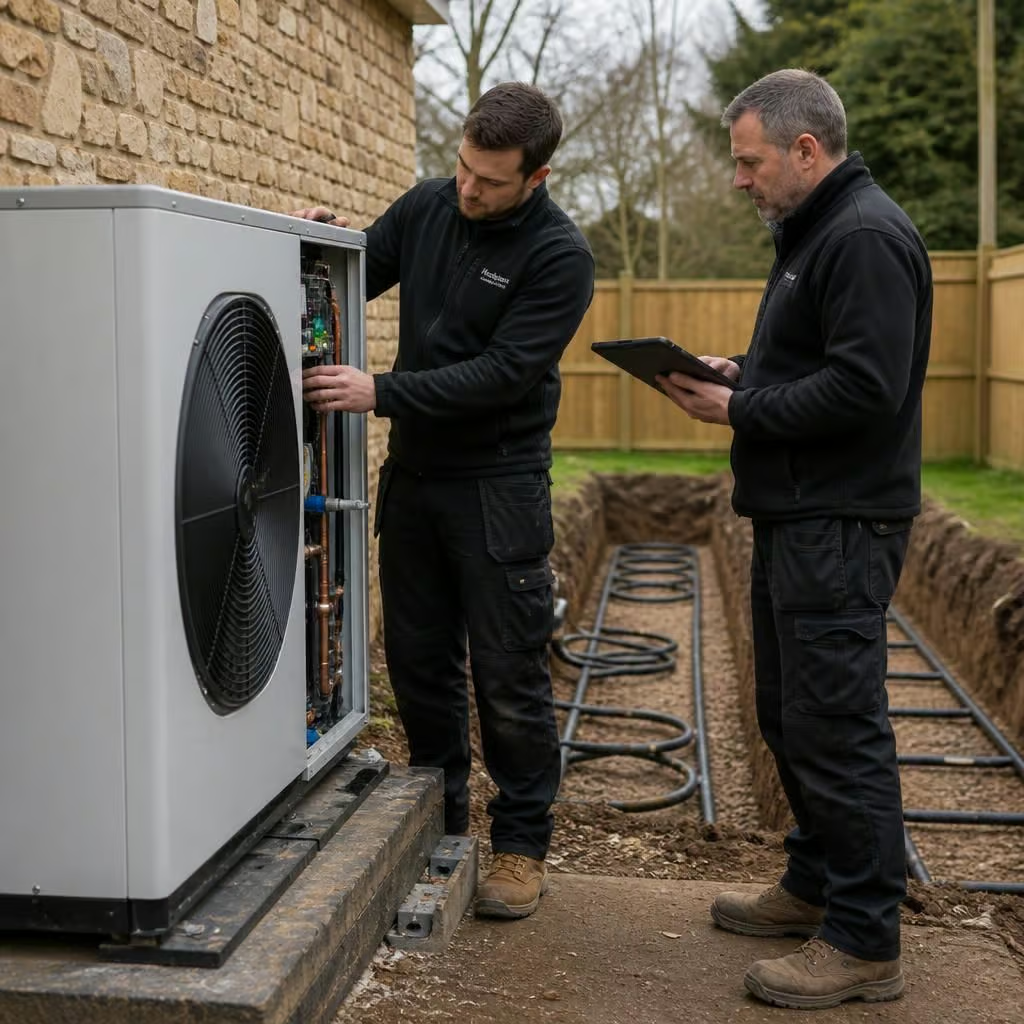
Careful Ground Source Heat Pump Work, Clearly Explained
Once you approve the design, we set out the installation sequence, including plant-room work, ground-loop excavation and reinstatement. If trenching crosses a drive, lawn or access route, we explain the affected areas before work begins.
Older properties often need careful protection during excavation and internal alterations. We cover working areas, route pipework neatly and check each connection before the system is commissioned. The result is a properly finished installation, not a half-completed building job.
At handover, we show you the controls and provide the paperwork needed to understand the installation. If the system needs attention later, our heating engineers can investigate the fault using the original design and commissioning details. We support ground source heat pump owners across Warwickshire, Oxfordshire, Gloucestershire and the North Cotswolds.