
Commercial Solar Installation
Reduce a commercial building’s grid electricity with a solar PV system matched to its roof, usage and supply. We survey the site, explain costs and payback, and provide a quotation. Arrange assessment across Warwickshire, Oxfordshire, Gloucestershire and North Cotswolds.
Practical benefits of commercial solar
Solar works hardest when the building uses electricity during daylight. We compare generation with operating patterns, roof layout and the existing supply, so the proposed system supports real demand rather than simply filling available roof space.
We set out access, isolations and connection work in the quotation. Handover information helps property managers arrange maintenance and understand the system’s export arrangements.
More of your power used on site
Your building can use solar electricity while it is operating. We match the array to daytime demand, so the system supports working patterns rather than simply maximising roof coverage.
A roof checked before design
Roof direction, shading, condition and usable space all affect generation. We assess these details before recommending an array, so the quotation reflects the building rather than a standard package.
Costs linked to your usage
Your return depends on generation, electricity use and export arrangements. We compare these factors with the survey findings, then explain the likely payback without relying on headline estimates.
Connection work planned properly
Your existing supply may need isolations, protection or connection changes. We identify this work before installation and include it in the quotation, reducing surprises during the project.
Clear handover information
Property managers need to know what has been installed and how it operates. We provide system information for maintenance records and explain the arrangements for electricity exported to the grid.
Qualified installation and export eligibility
Your commercial PV system is installed by MCS-certified engineers, so we can support the paperwork needed for eligible export arrangements and explain what happens when the system goes live.
Questions about commercial solar installation
How disruptive is a commercial solar installation?
A survey checks roof condition, access, asbestos risk, electrical capacity and connection requirements before work begins, identifying issues early and giving the property manager clear preparation steps in advance.
How long does commercial solar installation take?
Timescales depend on system size, roof access, electrical work and grid approval. We confirm the programme after surveying, then coordinate installation, testing and handover with your site team as planned.
Can a commercial solar system export unused electricity?
Where generation exceeds site demand, surplus can be exported through the agreed grid connection. We explain metering requirements and provide paperwork so the property manager can arrange export tariff.
Will commercial solar work with an older electrical system?
Older systems can often support solar, but we confirm earthing, consumer-unit protection and cable condition first. If upgrades are needed, we include them clearly before installation, avoiding unexpected work later.
What does a business need to prepare before commercial solar installation?
Before installation, arrange roof and electrical-room access, nominate a site contact, and tell us about tenants, restricted areas, fire procedures or safeguarding requirements that affect installation before we arrive onsite.
Evidence behind your commercial solar installation
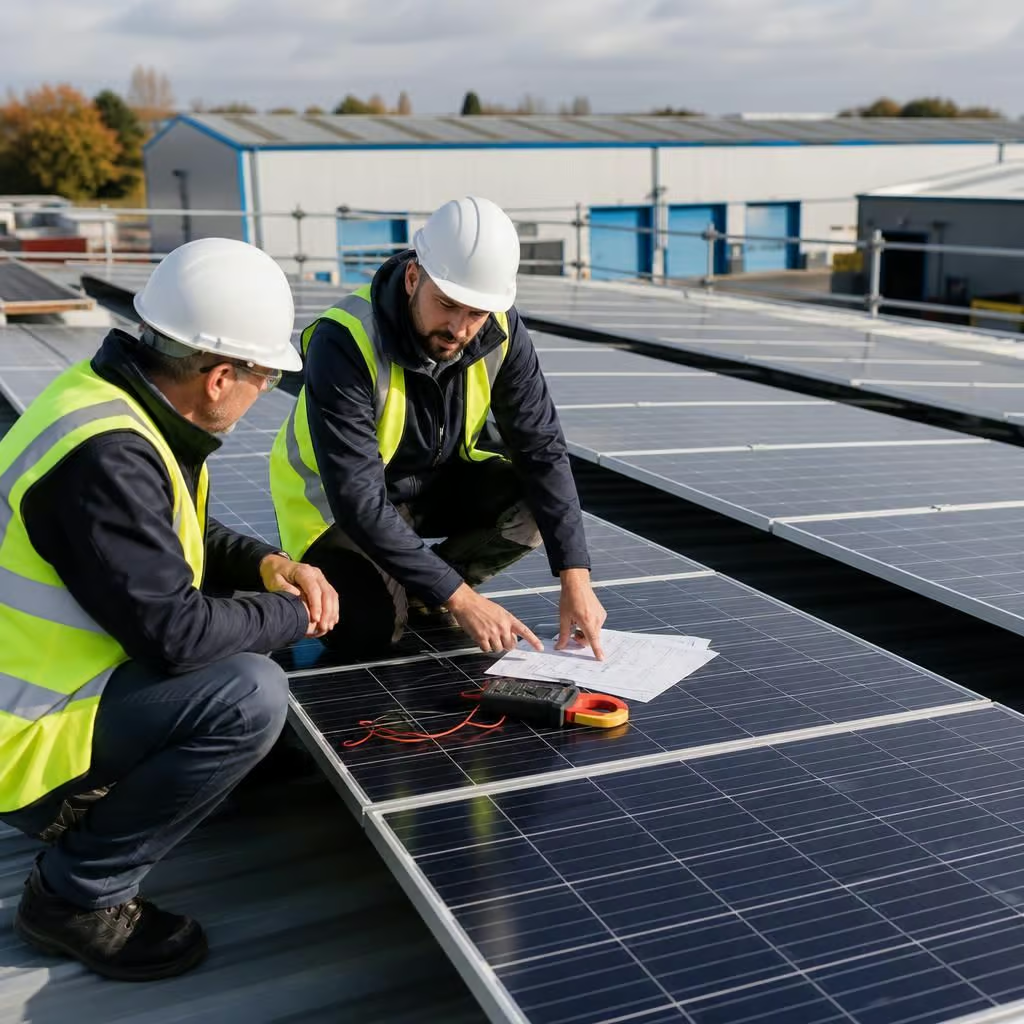
Sound advice and careful commercial solar installation
An older roof, awkward access or a busy premises can make installation more complicated than the panel layout suggests. We identify those constraints early and explain their effect on design, price and arrangements before work is approved.
During work, we protect occupied areas, route cables neatly and keep plant, staff and visitors clear of the work area. If we uncover a problem, we stop and discuss it before making an unagreed alteration. We leave the workspace tidy.
After commissioning, we explain the controls and readings that matter, including when an unusual result needs attention. If the building’s use changes, we discuss its effect on generation and demand before equipment is added or altered. You have a clear route for questions and next steps.