
How disruptive is a commercial solar installation?
A commercial solar installation is usually planned to limit disruption, but the impact depends on roof access, scaffolding, cable routes and any electrical shutdowns needed. We assess these points before work starts, then agree the installation sequence with you so affected areas and interruptions are clear in advance.
For most commercial premises, the main disruption comes from roof access, moving equipment and connecting the solar system to the electrical installation. The panels can often be fitted while the business continues operating, but some areas may need temporary restrictions or isolation during specific parts of the work.
Before installation, we separate the work into activities that affect the building and activities that affect your electrical supply. The roof survey identifies access points, fragile areas, plant, skylights and routes for lifting materials. The electrical survey checks the position of the intake, distribution boards, cable routes and any equipment that must remain powered. This allows us to identify where staff, visitors, vehicles or stock may need to be kept clear.
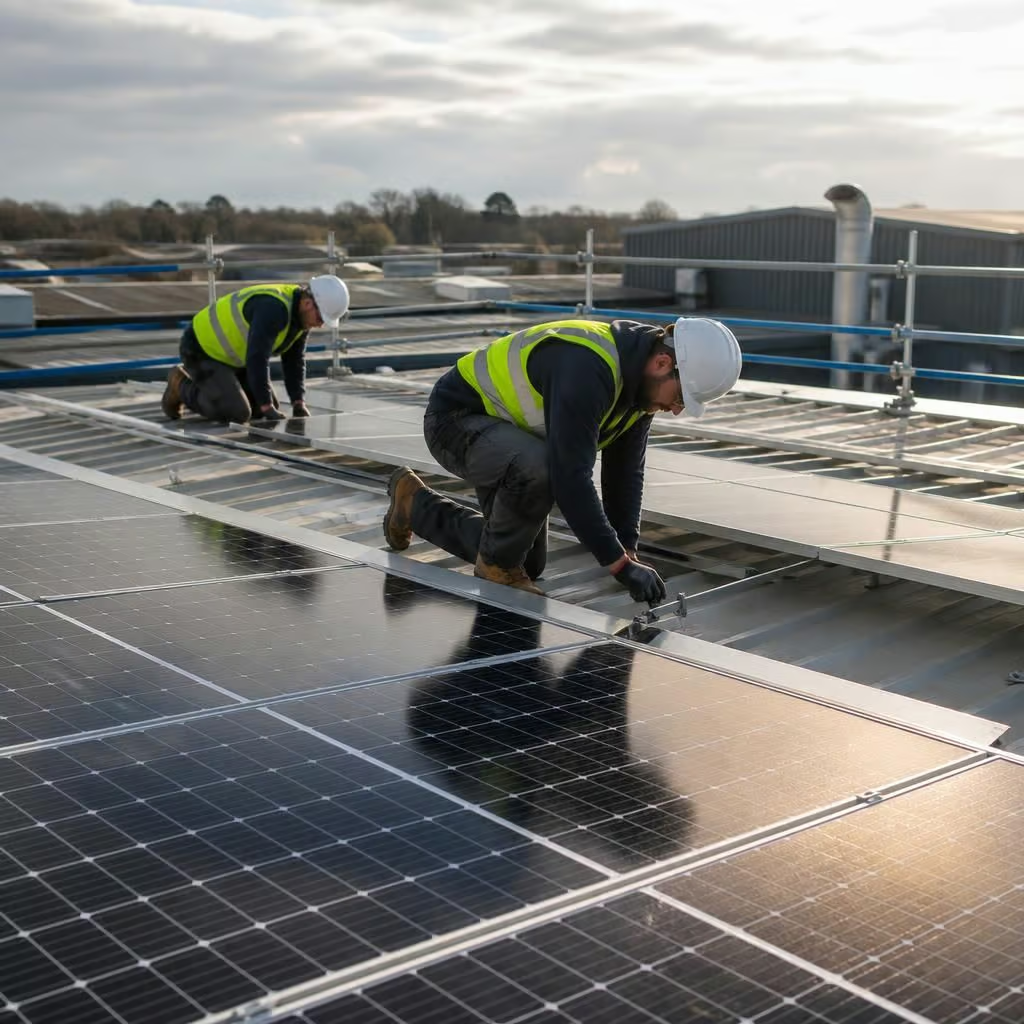
Roof work creates the most visible site activity. Materials need to reach the roof safely, and installers need a controlled route between the access point and the work area. That may involve a scaffold, access platform, lifting equipment or a designated delivery area. We agree these arrangements with you before work starts, particularly where the building shares access with customers, tenants, neighbouring businesses or deliveries.
Your normal work can often continue in parts of the building that are away from the installation area. We keep staff and visitors out of the lifting zone and below active roof work. On warehouses, farms and industrial premises, we also consider vehicle movements, loading bays, livestock, stored goods and machinery.
The electrical connection is the stage most likely to require a planned interruption. We may need to isolate a distribution board while installing the inverter, protection equipment, generation meter or associated cabling. The affected circuits determine whether this is limited to one area or extends across the premises. We identify this in advance rather than treating a shutdown as an unexpected event.
Some businesses can move affected activities to another part of the building during the isolation. Others may need to pause trading, production, refrigeration, computer equipment or security systems for an agreed period. If a supply interruption would affect critical equipment, tell us during the survey so we can plan around it and identify any additional electrical requirements.
Roof preparation can add disruption where tiles, membranes, fixings or structural areas need attention before panels are installed. We record anything that could affect the work during the survey. We do not treat unsuitable roof materials, restricted access or structural concerns as details to resolve after installation has begun.
Weather can change the order of the work. Strong winds, heavy rain, ice or unsafe roof conditions may prevent the external installation from continuing. This does not necessarily stop all progress: where practical, internal electrical work, cable preparation or equipment installation can be completed separately. We explain any change to the sequence rather than leaving the site with partly completed work and no clear next step.
Noise and obstruction are usually linked to access equipment, drilling, cable routes and the movement of materials. These activities are more noticeable than the finished system, so we can schedule them away from meetings, customer appointments, deliveries or sensitive production periods where the site allows it. A business with quiet trading periods may prefer the noisier work to take place then.
Occupied offices, shops and public-facing buildings need extra controls. We can plan barriers, signed routes and protected access so people do not walk beneath roof work or into an electrical work area. Your staff should still follow the site instructions we agree, as the installation area remains a working construction zone until it has been cleared.
At the end of the installation, we remove packaging, surplus materials and temporary protection from the areas we have used. We check the equipment, label relevant electrical components and provide the system information and paperwork needed for operation and maintenance. The handover also covers what the display or monitoring system shows, so staff know where to look if the system reports a fault.
The final impact depends on the building, roof, electrical capacity, access arrangements and the way the business operates. A small office with clear roof access may need little more than a controlled work area and a planned electrical isolation. A factory, farm or multi-tenant building may need a more detailed sequence covering deliveries, roof access, production equipment and several distribution boards.
We set out those practical effects before work starts. You can then decide whether the proposed sequence fits your operation, arrange any internal notices or temporary moves, and understand when the electrical supply or parts of the site will be unavailable.
A named site contact makes the installation easier to coordinate. They can confirm access, identify restricted areas and tell us which activities cannot be moved. We use that information to brief the installation team before materials arrive, rather than resolving basic site questions during the work.
On a multi-tenant or customer-facing site, clear notices also prevent avoidable interruptions. We can provide the practical details staff and visitors need, including the areas affected, access changes and any planned electrical isolation. That gives people time to adjust their work without turning the installation into a wider site disruption.