
Make More Of Your Solar Energy
Use more of the solar power your panels produce, even after sunset. A home battery can help run evening appliances from stored electricity, reduce reliance on the grid and give your property greater flexibility as your energy needs change.
Power When Your Home Needs It
A correctly sized battery can make household energy easier to manage, with stored power available when your home uses most. Its capacity should reflect how your property operates, not a standard package.
We assess electricity use, panel output and space before recommending a system. You’re left with clarity, without paying for capacity your household cannot use now or later.
Stored energy for later
When your panels produce more than the home is using, the battery stores that surplus for a later demand.
More control over grid use
Stored electricity gives you more choice about when your home draws power from the grid.
Designed around the property
Your battery is planned around the available space, electrical setup and the way the household uses energy.
Make solar work harder
A battery helps keep more of your generated electricity available for the home instead of using it only while the sun is up.
A clearer energy decision
You get a recommendation based on measured household demand and panel output, rather than a standard battery package.
Confidence before installation
If the property or its electricity use does not justify a battery, we explain that before you commit to the work.
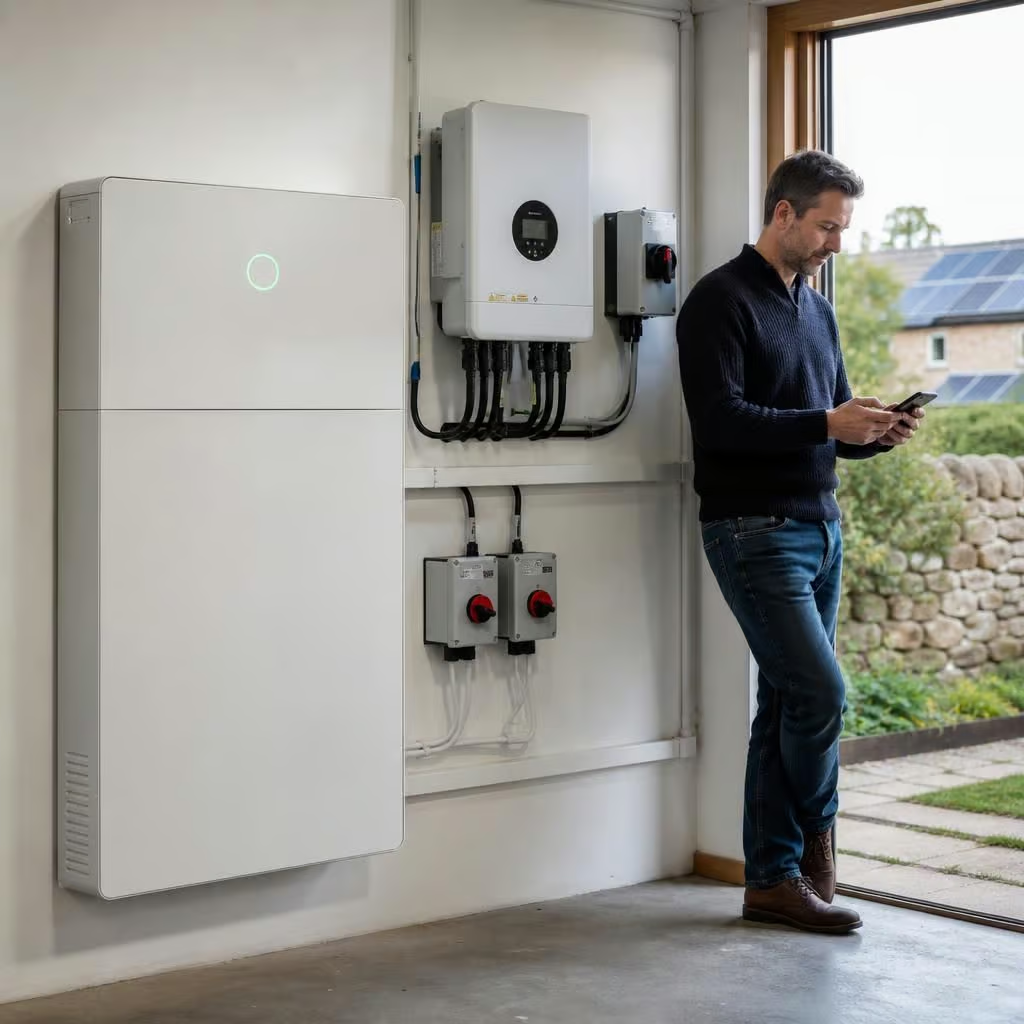
A More Manageable Home Energy System
Solar panels are most useful when the wider system works with them. We position the battery, isolators and protection neatly, keeping access clear and the room practical.
Older wiring or a limited consumer unit can affect how a battery connects. We identify this before fitting begins and complete the electrical work needed for a safe connection. You won’t need to coordinate another contractor.
After commissioning, you can see generation, battery charge and household use in one place. We explain the controls in plain English, so you can adjust them as your routine changes. The result is a system that is easier to monitor, understand and manage day to day.
From Unused Solar To Practical Home Storage
Your panels may produce plenty of electricity while the house still imports power later. You may also be weighing a battery against changing your tariff, adding panels or doing nothing. We look at those choices alongside your household’s usage, so we can recommend a system with a clear purpose.
Before work starts, we set out the equipment, any electrical alterations, expected disruption and price in writing. That gives you a straightforward choice rather than a package assembled around assumptions.
Once commissioned, the installation gives you a defined way to use surplus generation, with MCS certification and paperwork in place. At handover, we show you the isolation points and record what’s installed, so future servicing or changes start with accurate information.
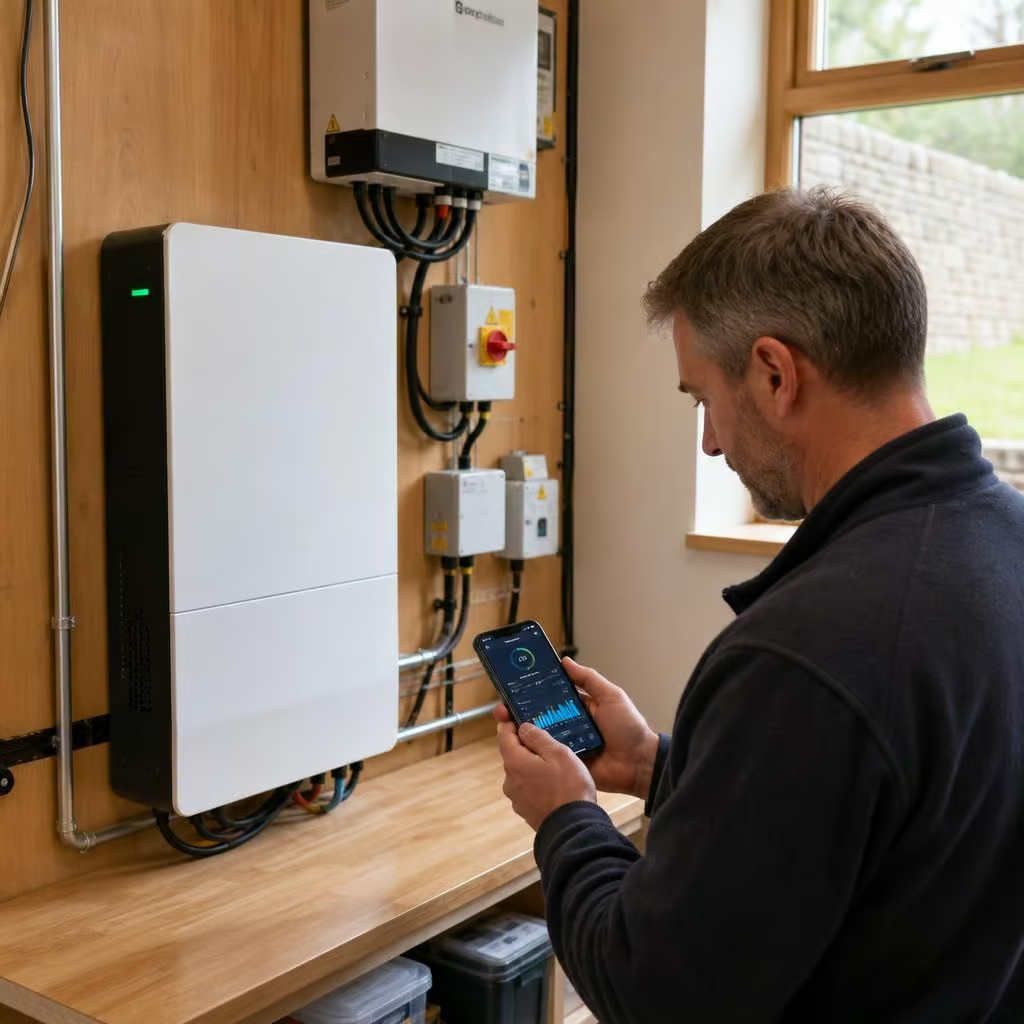
Storage That Fits The Way Your Home Uses Power
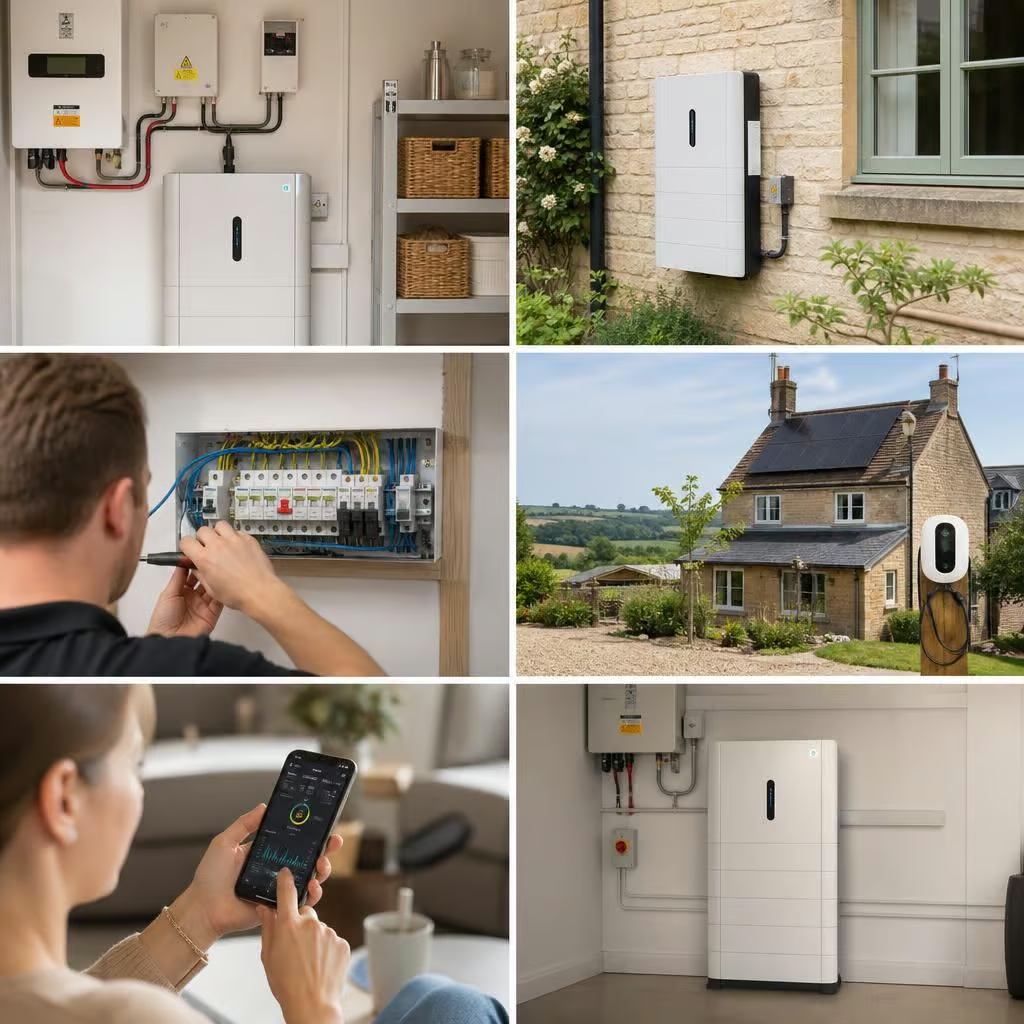
A Battery Added Without Reworking The Whole System
If your solar installation is already working well, adding storage shouldn’t mean starting again. We check the existing inverter, wiring and protective devices before recommending the battery arrangement. That shows whether the current equipment can be retained and where extra electrical work is needed. The finished installation gives surplus solar somewhere useful to go without altering more of the property than necessary.
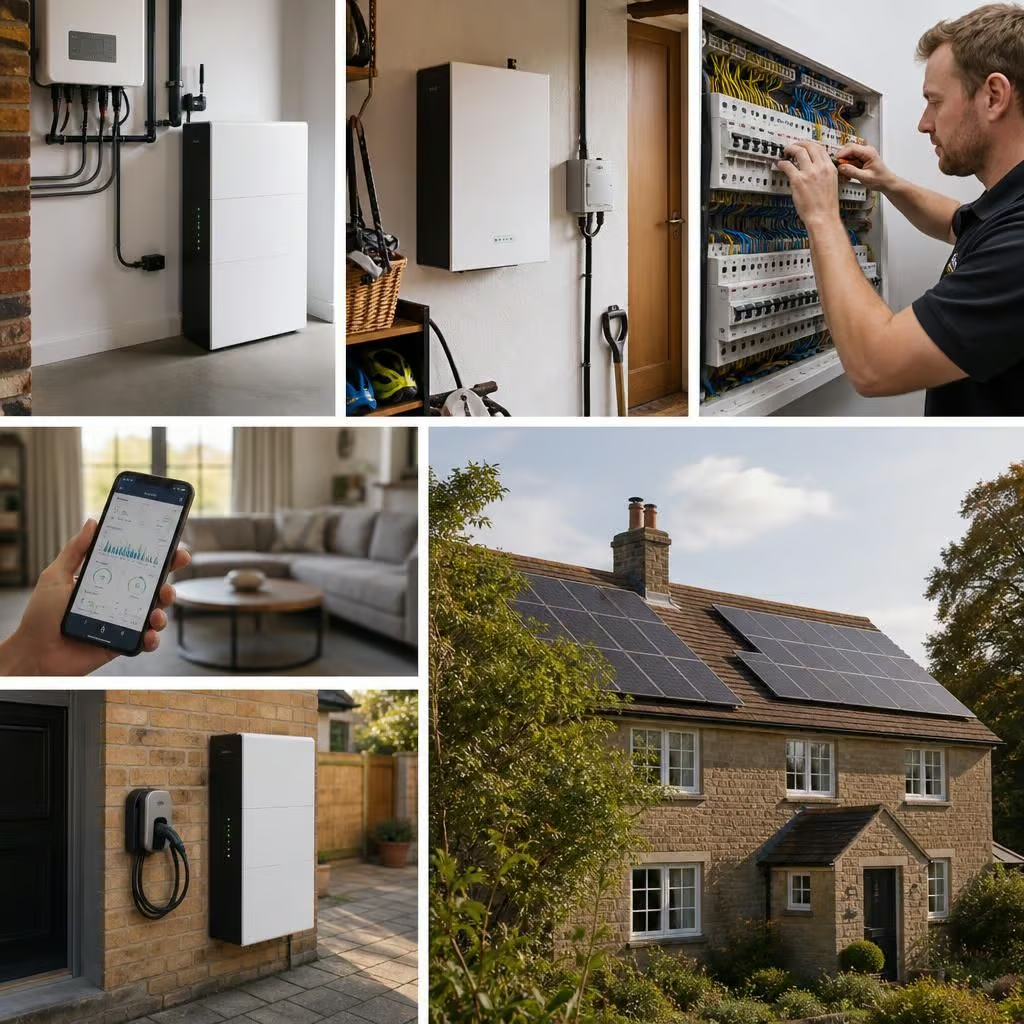
Storage For Homes Beyond The Gas Grid
An oil- or LPG-heated home can still make good use of solar storage. The battery works alongside the heating system, appliances and other electrical loads, so solar generation remains useful after the heating fuel has done its part. We assess the property’s existing electrical setup and available installation space before work begins. That matters in older houses, where access and cable routes need more thought than a standard new-build installation.
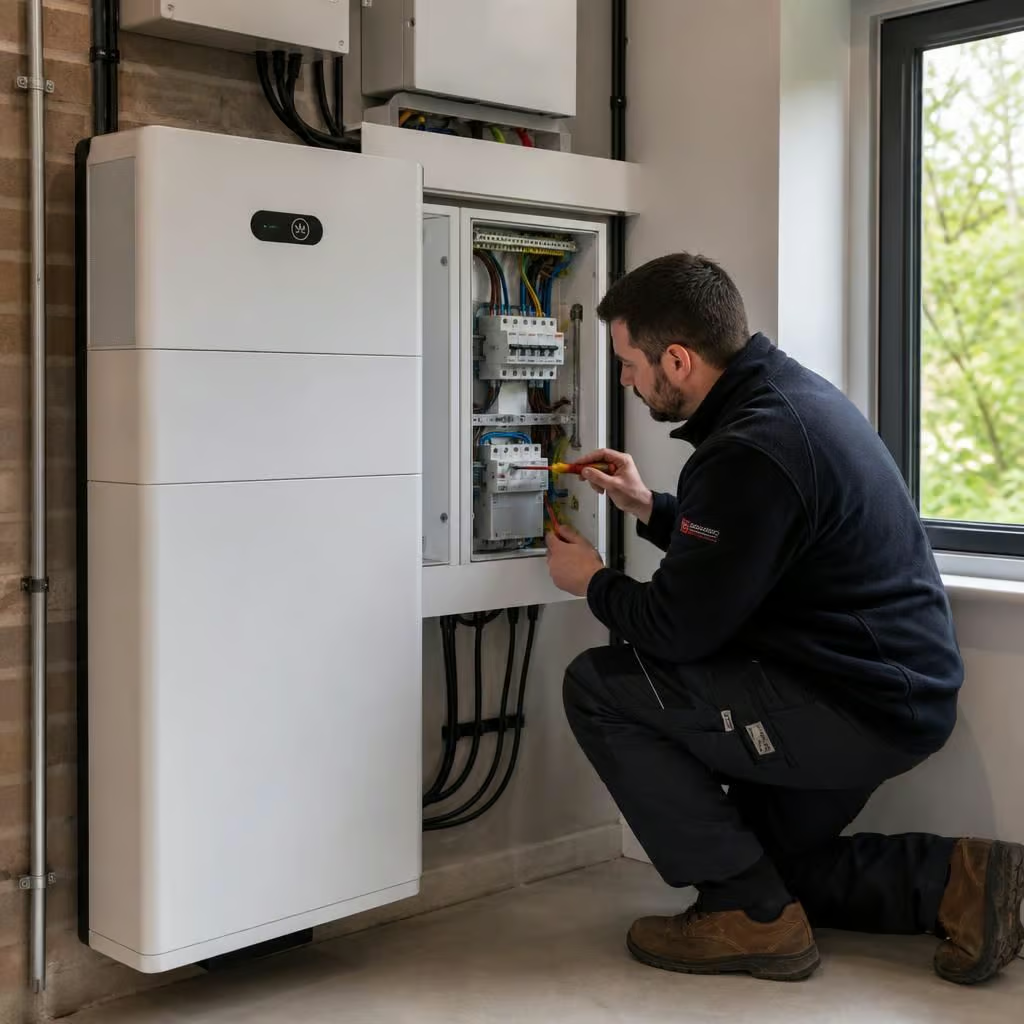
The Electrical Details Are Checked First
A battery connects to the home’s electrical system, not just to the solar panels. If the consumer unit or protective devices need attention, we identify that before installation day. Our NICEIC-registered electricians complete the electrical work in-house, so the battery and its protection are considered together. You’re left with a system that is properly recorded rather than an added unit whose wider connections remain unclear.
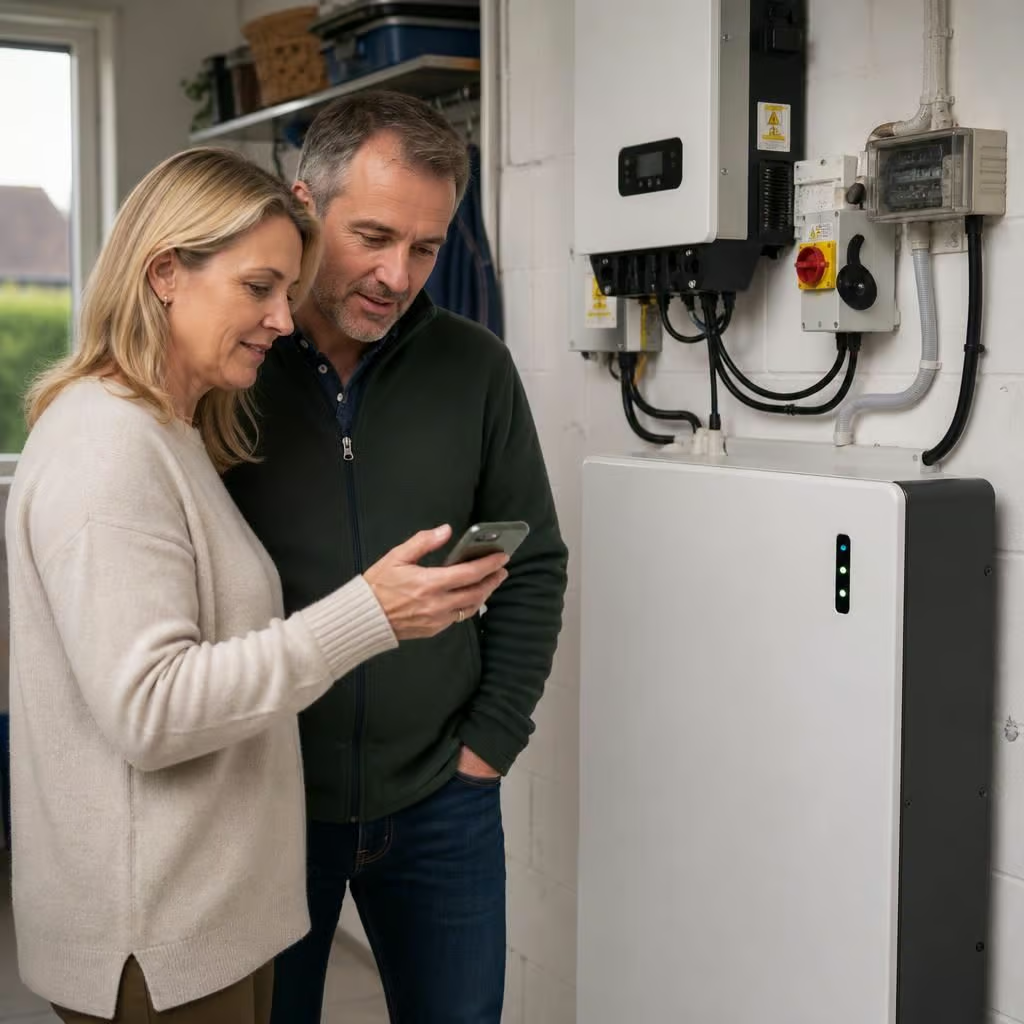
Useful Information After Installation
Once the battery is commissioned, you can see when it is charging, supplying the home or waiting for the next useful cycle. We explain the monitoring controls in plain terms and show you the settings that matter. That makes it easier to understand how the system is behaving without turning everyday energy use into a technical project. If your household pattern changes, the information also gives you a sound basis for reviewing the setup.
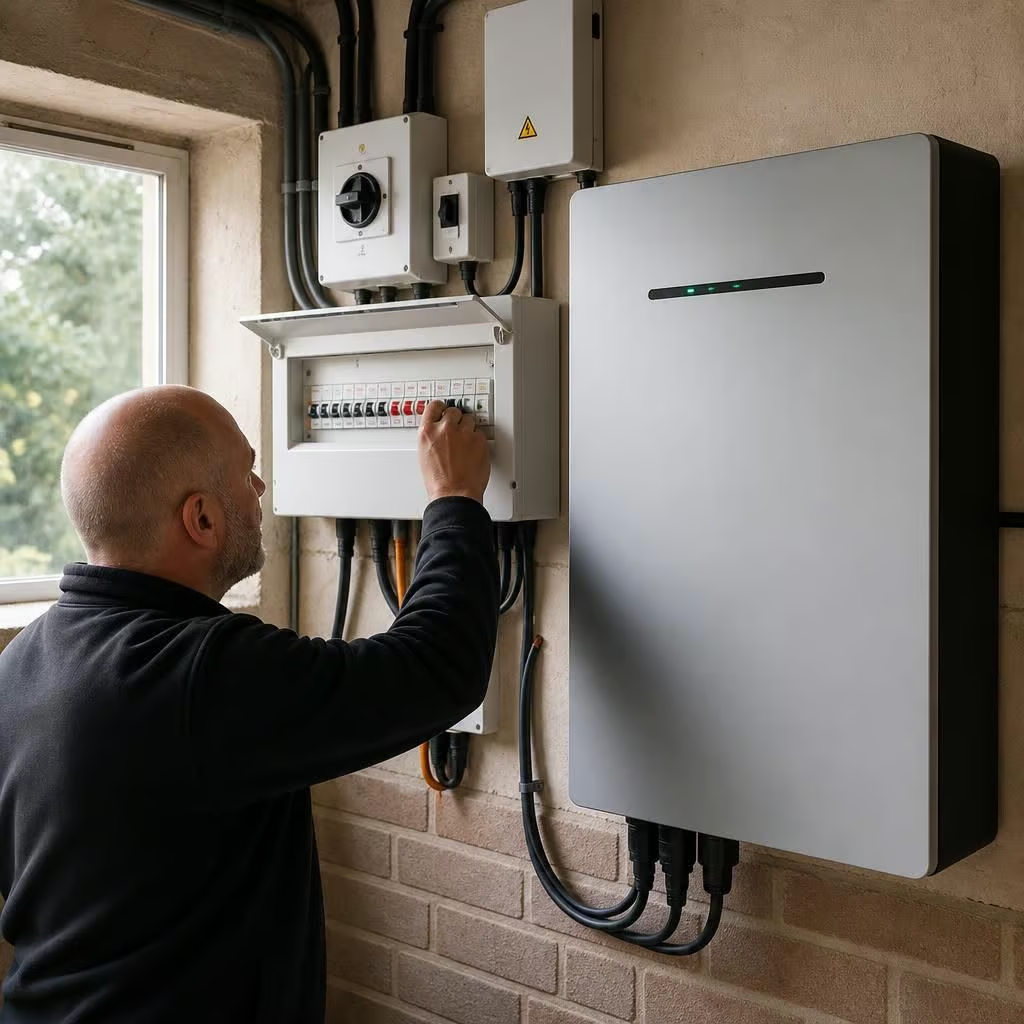
Planning Storage Around Future Electrical Changes
A battery may be one part of a wider change to your home’s electricity use. If an EV charger or further solar work is on your plans, we discuss that before fixing the battery size and position. The electrical capacity, equipment location and cable routes can then be considered together. You avoid paying for an installation that makes a later upgrade more complicated than it needs to be.
Questions About Home Solar Battery Storage
Is my home suitable for solar battery storage?
If your panels produce surplus electricity and your household uses power later, a battery may suit you. We assess consumption, generation, available space and existing electrics before carefully recommending capacity.
How much disruption does home solar battery installation cause?
The battery is usually fitted in one working area, with a short interruption while we connect it. We agree access beforehand, protect surfaces and remove packaging and waste before leaving.
How much does home solar battery storage cost?
Cost depends on battery capacity, installation requirements, existing electrics and whether panels are included. We assess those details, then provide a written quotation showing equipment, alterations and total price clearly.
How long does a home solar battery last?
Battery lifespan depends on its chemistry, cycling and operating conditions. We explain the manufacturer’s warranty, expected use and monitoring requirements, helping you plan future replacement without treating estimates as guarantees.
How much electricity can a home solar battery store?
Capacity is measured in kilowatt-hours (kWh), but usable storage varies by model. We size the battery around your generation, evening demand and intended backup use, rather than choosing capacity alone.