
How much disruption does home solar battery installation cause?
Home solar battery installation is usually a contained job, but the disruption depends on the battery location, cable routes and whether solar panels are already installed. We assess these points beforehand, explain any required electrical changes and arrange the work so you know what to expect before installation day.
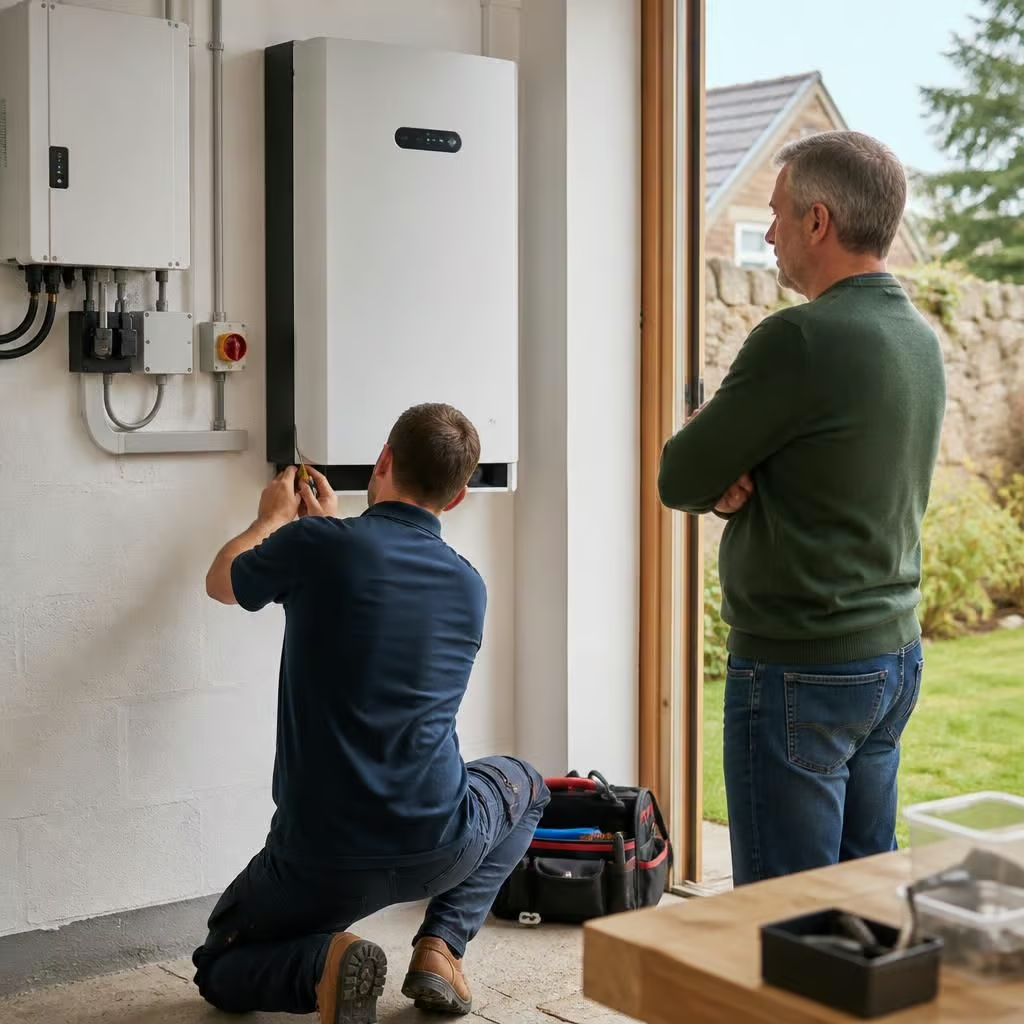
For most suitable homes, installing a solar battery is a planned electrical job rather than a major building project. The main disruption comes from gaining access to the battery position, routing cables and briefly isolating electrical circuits while we connect and test the system.
Your day-to-day routine is usually affected most by the location you choose. A battery in a garage, utility room or plant room may need clear working space around it. If the equipment is outside, we also need a suitable wall or base, protection from weather and a safe cable route into the property. We confirm these requirements during the survey, rather than deciding them on installation day.
The survey prevents avoidable disruption. We look at the existing solar inverter, consumer unit, meter position and main electrical cables. We also check the proposed battery location, the distance between components and the route through walls, floors or cupboards. This shows whether the existing installation can accept the battery or whether associated electrical work is needed first.
An existing solar installation can make the work simpler, but it does not automatically make every battery compatible. We check how the panels, inverter and monitoring equipment are connected. In some homes, the battery can be added alongside the existing equipment. In others, part of the system may need changing so that the battery charges, discharges and records energy correctly.
Before we arrive, you may only need to clear the agreed work area. Move stored items, vehicles or garden equipment if they block the battery position or cable route. If we need access to a loft, cupboard or outbuilding, keeping that route clear avoids delays. We explain any specific preparation after the survey.
On the day, we protect the working area while we mount or position the battery and install the associated electrical equipment. The work may involve drilling for fixings and cable entry points. We keep those points to the necessary minimum and agree visible cable routes with you before we make them.
There can be some drilling noise, dust and movement between the battery location, the consumer unit and the meter. The level depends on the construction of the property and the distance between those points. A solid-wall house, detached garage or outbuilding can require a different route from a modern utility room.
Older and rural properties need a little more checking. Thick walls, concealed services, extensions and buildings separated from the main house can affect the cable route. We take account of the construction before work starts. If the proposed position would mean unnecessary disruption, we discuss a more practical location rather than forcing the original plan.
The electricity supply must be isolated while we make key connections. This means some or all of the home’s electrical circuits will be unavailable during parts of the installation and testing. We agree the interruption with you in advance, so you can plan around appliances, heating controls and any equipment that must remain powered.
Extra work may be needed if the survey identifies an unsuitable consumer unit, damaged cables, inadequate earthing or other electrical defects. We explain that work separately and provide a written quotation before it starts. A battery installation should not be used to conceal a fault in the wider electrical system.
Once the equipment is connected, we test the protective devices, battery operation, solar generation and monitoring. We check that the system responds correctly when electricity is being generated, used and exported. We then explain the controls and show you what to look for in the monitoring information.
Commissioning can include registering the installation and completing the relevant documentation. MCS certification matters if the installation is to support an application for the Smart Export Guarantee, and we can provide the paperwork needed for that process. The exact export arrangements depend on the system and your electricity supplier.
There may be a short period after installation when the battery is not operating in its normal pattern while settings, monitoring or registration are completed. We tell you what has been tested and what remains to be processed, rather than leaving you to work it out from an app.
After the work, we remove installation materials and leave the accessible areas tidy. The finished system should occupy the agreed space, with cables secured and equipment available for future inspection. If later electrical or building work affects that area, contact us before moving, boxing in or covering the battery and its cables.
The best way to estimate disruption is to assess the actual home, not just the battery model. A straightforward retrofit beside an existing electrical installation can be relatively contained. A longer cable route, consumer unit work, a separate outbuilding or an incompatible solar inverter can add work. We set out those points in the quotation so you can judge the practical impact before making a decision.
If you want the battery to keep selected equipment running during a power cut, mention this at the survey. A standard storage system does not automatically provide backup power. We check whether the proposed equipment supports backup and explain any additional wiring or controls needed.
That matters for broadband, alarms, medical equipment, refrigeration or heating controls. We can then plan the installation around the circuits that matter to you, instead of treating backup as an assumption after the battery is fitted.