How long does commercial solar installation take?
A commercial solar installation often takes a few days on site, but the full project can take several weeks or longer. The timetable depends on the system size, surveys, grid approval, planning requirements and the condition of the building and electrical system.
There is no single timescale for commercial solar installation. A straightforward project may involve a relatively short period on site, while a larger or more complex system can require a longer programme for design, permissions, grid approval and preparation. The physical installation is often only one part of the overall timescale.
The first stage is establishing what the building and business need. We review recent electricity bills, operating patterns and any planned changes to the premises. This helps us size the system around daytime demand rather than simply filling the available roof area. We also look at whether exporting surplus electricity, adding battery storage or changing the connection arrangement would affect the design.
The initial site survey then identifies anything that could change the programme. We inspect the roof covering, structure, access, shading and available space for inverters and other equipment. We trace a practical cable route back to the main electrical intake and check the existing switchgear, protection and earthing arrangements. If the roof needs repair or strengthening, that work normally needs to happen before panels are fitted.
Design and approvals can take longer than the installation itself. The final design must account for roof loading, fire access, cable routes, isolation points and the building’s electrical capacity. Larger systems may need approval from the distribution network operator before they can be connected. The application depends on the proposed generation, the existing connection and the local network. We explain what approval is needed and include it in the project programme.
Planning requirements also vary. A roof-mounted system may be permitted development, but that cannot be assumed for every commercial building. Listed buildings, conservation areas, unusual roof structures and systems visible from certain viewpoints can require further checks. Where a planning application or other consent is needed, the programme must allow time for that process before installation is booked.
Once the design and approvals are settled, we agree the installation sequence with the business. Access arrangements, delivery space, roof access and any necessary isolation of the electrical supply all affect the schedule. A warehouse, office, farm building and retail premises may each need a different approach. We can plan work around agreed operational restrictions, but the programme should allow for safe access and testing rather than treating those steps as an afterthought.
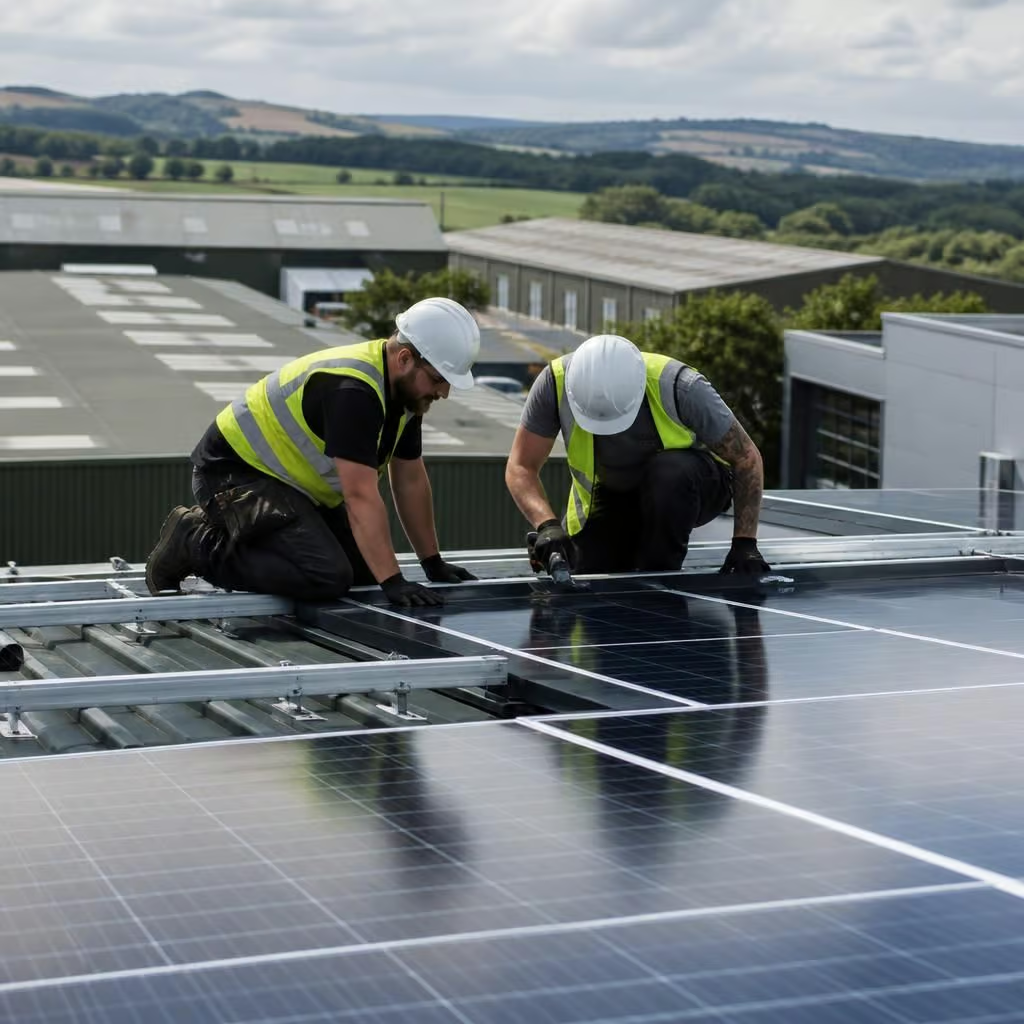
On site, the work may include access equipment, mounting rails, solar panels, inverters, cable containment, isolators and changes to the electrical distribution equipment. We keep the cable route and plant position in view from the start, because a long or obstructed route can add work that is not obvious from the roof. If the existing electrical system cannot accept the new generation safely, we explain the required upgrade before work begins.
Several factors can extend delivery:
- the size and layout of the roof
- restricted access or the need for specialist access equipment
- roof repairs, structural work or asbestos-related considerations
- planning conditions or landlord and freeholder consent
- distribution network approval and any required connection works
- changes to the main switchgear, metering or protection
- equipment availability and delivery arrangements
- the need to keep part of the premises operating during the work
These issues do not always prevent installation, but they need to be identified early. A survey that finds an unsuitable roof or an electrical limitation before ordering equipment is far less disruptive than discovering it during the fitting work.
Commissioning follows the physical installation. We test the array, inverter, protection and electrical connections before bringing the system into operation. We also check monitoring so the business can see generation and identify any fault promptly. The handover includes the relevant test results, operating information and certification for the completed work.
For an MCS-certified installation, the certification supports eligibility for the Smart Export Guarantee. We can make the application on the business’s behalf, subject to the requirements of the chosen export provider. Export arrangements should be considered during design because metering and approval requirements can affect the final sequence.
Before work starts, we provide a written quotation and a programme showing the key stages, assumptions and responsibilities. That makes it clear which dates depend on planning, grid approval, roof repairs or information from the building owner. If the premises are leased, the landlord’s consent and access arrangements should be settled early. Supplying recent bills, roof information and details of planned building works also helps us produce a reliable programme.
The useful question is not simply how many days the panels take to fit. It is which stages control the completion date. Once we have surveyed the building and confirmed the approvals, we can give a clearer installation sequence for that particular commercial property.
The date panels are fitted is not always the date the system is ready to use. Testing, monitoring setup and certification still need to be completed. We include these final checks in the programme, so the business knows when the installation is fully commissioned rather than simply mounted on the roof.