
How much disruption does installing a domestic wind turbine cause?
Installing a domestic wind turbine can cause noticeable but localised disruption, mainly from preparing the foundation, bringing equipment onto the site and connecting the turbine to the home. We assess access, ground conditions and the cable route first, then explain exactly what work your property will need before installation begins.
Domestic wind turbine installation is mainly an outdoor job, but it can involve several days of planned activity around the property. The most noticeable disruption usually comes from preparing the base, bringing lifting equipment onto the site and excavating the cable route. Internal work is normally limited to the electrical connection and any changes needed at the consumer unit.
Your site access determines how straightforward the work will be. A narrow lane, soft ground, low bridge or tight entrance may affect how materials and lifting equipment reach the turbine position. During the survey, we check turning space, overhead obstructions, ground conditions and the route from the access point to the proposed base. You then know what temporary access measures or ground protection may be needed before work starts.
Ground preparation creates the most dust, mud and noise. We excavate for the foundation, install the required reinforcement and pour the concrete base. The base then needs enough time to reach the necessary strength before the turbine can be erected. The exact sequence depends on the turbine design, soil conditions and the manufacturer’s installation requirements.
Your garden, field or drive may need temporary restrictions while machinery is moving and the foundation is being prepared. We keep the working area defined and protect routes used by people, vehicles and livestock. If the cable crosses a lawn, track or planted area, we agree the route before excavation so you can see which parts of the property will be affected.
The turbine itself is usually assembled in sections or at ground level before lifting. A crane or other lifting equipment may be needed to raise the tower and turbine into position. This creates a short period of extra activity, vehicle movements and lifting noise. We plan the lift around the available space and the surrounding buildings, trees and overhead lines rather than bringing equipment onto the site without checking first.
Once the turbine is standing, we install and protect the electrical cabling between it and the property or control equipment. That may involve trenching across external ground and drilling through a wall. The cable route is kept as short and practical as the site allows. We seal any external penetrations and reinstate excavated areas as far as the ground and weather conditions permit.
Inside the property, the work may require access to the consumer unit, meter position or a suitable plant area. You may hear drilling when the cable enters the building, and the electricity supply may need to be isolated while we complete and test the connection. We agree this part of the work with you beforehand and leave the electrical installation safe, labelled and tested.
Older houses can need more careful cable planning. Thick walls, suspended floors, outbuildings and long distances between the turbine and consumer unit can all affect the route. We look for a way to avoid unnecessary damage to finished rooms, exposed beams, historic fabric and recently landscaped areas. Where a concealed route would cause disproportionate disruption, we explain the alternatives before any work begins.
Weather can change the order of the work. High winds may prevent lifting operations, while heavy rain can make excavation and reinstatement impractical. This is a safety issue rather than a sign that the installation has been poorly planned. We can carry out suitable preparation first and complete the lifting or electrical stages when conditions allow.
Operational noise is different from installation noise. Construction brings machinery, vehicles and drilling for a limited period. After commissioning, the turbine produces a moving mechanical and aerodynamic sound that depends on its design, wind conditions and distance from nearby buildings. We consider the position carefully during the survey, including bedrooms, neighbouring properties, livestock areas and outdoor seating.
Before we leave, we complete the electrical tests, check the protection and controls, and confirm that the turbine is operating as intended. We remove installation waste, tidy the work area and explain what has been installed. Your quotation sets out the work included, including any known access, excavation or reinstatement requirements, so the practical impact is understood before you commit.
The survey is the best way to establish whether installation will be a manageable outdoor project or a more involved civil and electrical job. It identifies the access arrangements, foundation position, cable route and internal connection before work starts. That lets you plan around the affected areas and decide whether the expected generation is worth the disruption at your property.
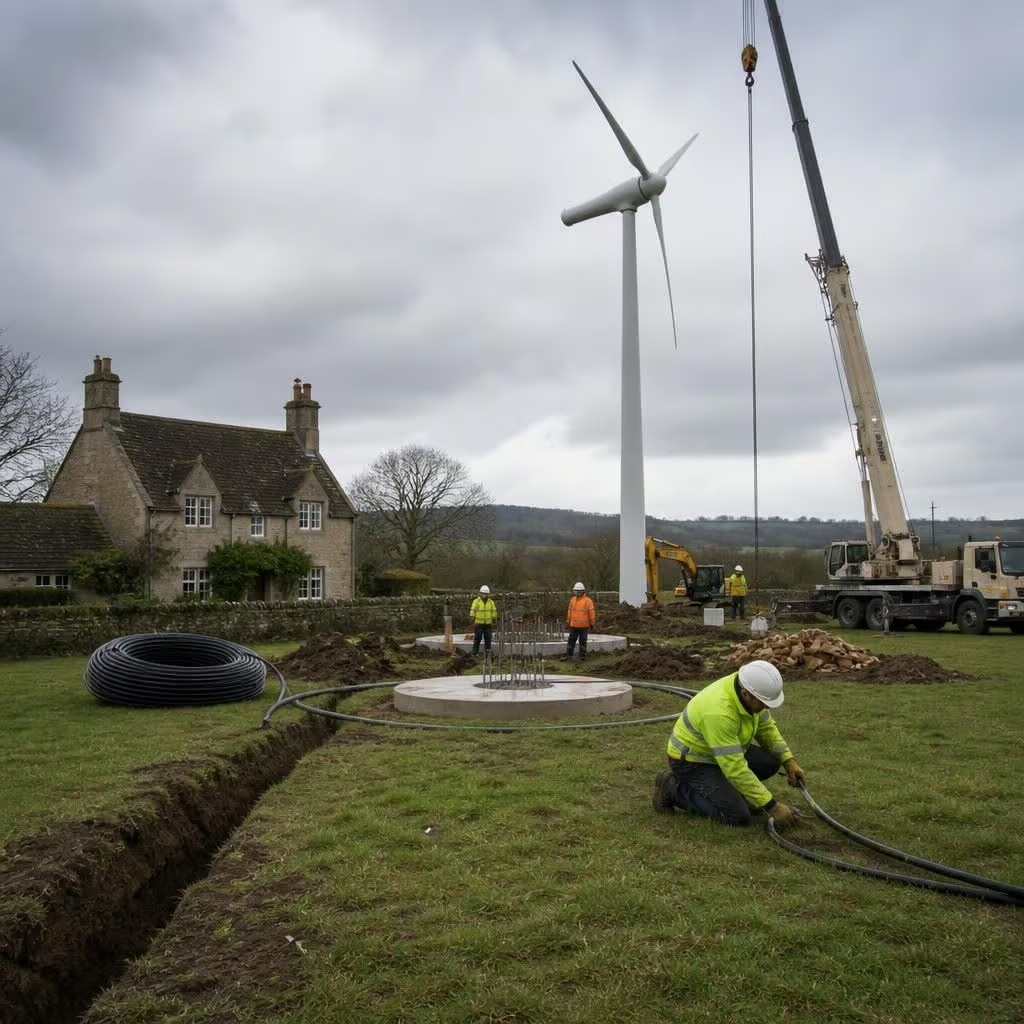
The installation does not usually mean continuous work around your home. Foundation work, curing, the turbine lift and electrical connection are separate stages. We explain the order beforehand, so you can plan around any temporary restrictions to a drive, garden, field or access track.
If the turbine stands away from the house, most activity stays outside your living space. You can continue using the property while the base cures, with access limited only where vehicles, materials or open excavations make that necessary. We also identify any point where the electricity supply must be isolated, so you know when the indoor connection will affect normal use.