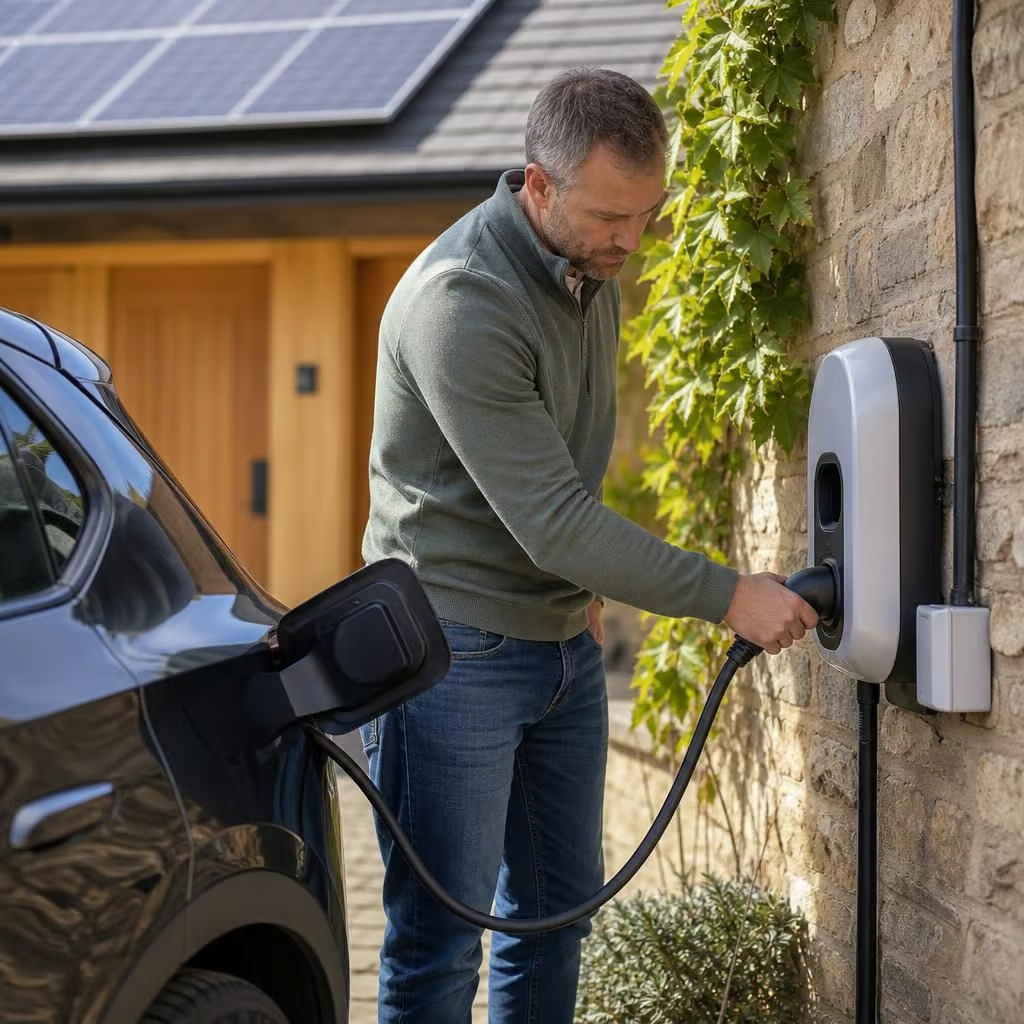
What exactly is included in the smart EV charger quotation?
A smart EV charger quotation should show the charger, installation work, electrical testing and commissioning, plus any agreed tariff or support arrangements. We provide a written price before work starts, so you can see what is included and what may need deciding separately.
A smart EV charger quotation should show the complete cost of getting the charger working safely at your home, not just the price of the unit. We set out the charger, installation method, cable route, electrical work, testing, commissioning and any separate upgrades or optional controls.
The quotation starts with the property. Your driveway, parking space and consumer unit determine what the installation involves. We assess:
- where the charger can be mounted;
- how far the cable must travel from the consumer unit;
- whether the cable can run externally, internally or through a wall;
- the condition and capacity of the existing electrical installation;
- whether there is suitable space for protective equipment in the consumer unit;
- how the charger will connect to your home network;
- whether solar panels, battery storage or other significant electrical loads affect the design.
The quotation then identifies the charger and the equipment included with it. This normally covers the charging unit, suitable cable, mounting materials, electrical protection and the fittings needed to secure the installation. It should also state whether the charger is tethered or untethered, where relevant, and explain any difference in price between the available options.
The cable route is a major part of the price. A short route through an accessible garage may need less work than a cable crossing the outside of a house or passing through several walls. Your quotation describes the proposed route and highlights work such as drilling, surface trunking or protective conduit. If groundworks, long external routes or making good are needed, we identify them rather than hiding them in a general allowance.
Your existing consumer unit may need attention before it can supply an EV charger. We check the earthing, available space, protective devices and the condition of the installation. If an upgrade, additional protection or other remedial electrical work is necessary, we explain why and show it as a separate item. You can then see the cost of the charger installation itself before deciding whether to proceed with the additional work.
Smart functions should be described separately from basic charging. The quotation can show the cost of features such as app control, scheduled charging, charge monitoring, load management or integration with a compatible tariff. These controls can affect how the charger uses electricity, but they do not remove the need to check the home’s electrical capacity.
If you already have solar panels or a battery, tell us before the quotation is prepared. We can consider how the EV charger fits alongside those systems and whether the proposed controls support the way you want to use them. We do not assume that every charger, inverter, battery or tariff will work together, so the quotation should state any compatibility limits.
Tariff compatibility is not the same as changing tariff. A smart charger may need a suitable internet connection, app account or tariff arrangement for its advanced controls to work. The quotation explains what the installation includes and what you need to arrange with your electricity supplier. Supplier charges, tariff terms and changes to your electricity contract remain separate from the electrical installation price.
On the installation day, the quoted work includes mounting the charger, connecting it to the electrical supply, installing the specified protection and configuring the agreed smart functions. We test the charger and its controls before we leave. We also explain the basic operation, so you know how to start a charge, use scheduled charging and identify a connection or communication problem.
The final paperwork forms part of the quotation process too. We complete the relevant electrical testing and provide the certification or installation records due for the work. NICEIC and ECA electrical standards guide the way we assess and test the installation, giving you a record of what we installed and checked.
A good quotation also states what is not included. This may include changes to the consumer unit, remedial work, trenching, repairs to damaged surfaces, improvements to the home network or work required because the existing supply cannot support the charger. We price those items separately when the survey shows they are needed. Written quotations are provided before work starts, so the scope and cost are clear before you make a decision.
Ask us to revise the quotation if your parking position, electricity supply, solar system or preferred charging arrangements change. The right quotation is based on the actual property and leaves you with a clear record of the equipment, work, assumptions, optional extras and paperwork included.
If you have solar panels or a home battery, the quotation should explain how the charger is expected to operate alongside them. We can record whether the intended priority is charging from surplus solar, preserving battery capacity or using scheduled grid electricity.
That choice affects the controls and settings, not just the charger itself. We explain which functions are included, what depends on the existing solar or battery system, and which decisions remain with you after installation. This leaves you with a clear description of how the equipment is meant to work together.