
What maintenance does a smart EV charger need after installation?
A smart EV charger needs little routine maintenance, but it should have visual safety checks, software updates and occasional inspection of its cable, casing and electrical connections. We can investigate faults, check the installation and confirm that the charger still communicates correctly with your vehicle and tariff controls.
A smart EV charger usually needs very little routine maintenance after installation. Most of the work is simple care, keeping its connected services working and arranging an electrical inspection if the installation or charging behaviour changes.
Keep the charging equipment clean and protected
Dust, mud and moisture can affect the charging connector, especially on a driveway or beside an unmade parking area. Wipe the charger and connector with a soft, dry or slightly damp cloth, following the manufacturer’s cleaning instructions. Do not use a pressure washer, solvents or abrasive products.
Keep the cable away from standing water, vehicle wheels and sharp edges. A cable left across a drive can be damaged or become a trip hazard. Coil it loosely when it is not in use, rather than bending it tightly against the charger. If the connector, cable or casing has been crushed, cut, scorched or cracked, stop using it and arrange an assessment.
Look after the smart connection
Smart charging depends on more than the electrical supply. The charger may also use home Wi-Fi, a mobile connection, an app and an electricity tariff account. If you replace the router, change the Wi-Fi password or alter the account linked to the charger, charging schedules may stop working even though the electrical side remains sound.
Keep the app account details available and check that scheduled charging still matches your needs after a change to the home network or tariff. A charger can usually still charge manually when smart controls are unavailable, but the exact behaviour depends on the equipment and its settings.
Do not treat a fault as a maintenance task
A tripping protective device, burning smell, unusual heat, buzzing, discolouration or repeated charging interruption needs attention rather than repeated resets. Switch off the charger if it is safe to do so, avoid opening the casing and contact a qualified electrician. Never remove covers or attempt to alter the fixed wiring yourself.
The same applies after impact from a vehicle, flooding, building work or damage to the cable route. External damage does not always show the condition of the connections inside the charger. We can establish whether the fault is in the charger, the cable, the protective equipment, the vehicle or the wider electrical installation.
Arrange a further check when the property changes
An EV charger may need attention after changes to the electrical system. This includes adding solar panels or a battery, replacing the consumer unit, installing another high-load appliance or changing the supply arrangement. Load management settings may need reviewing so that simultaneous demand does not exceed what the installation can safely support.
Renewable generation can also change how the charger is used. If you later want to charge from surplus solar electricity, export less energy or combine charging with battery storage, we assess the existing equipment and its controls before changing the settings. A new charging pattern should not be assumed to work safely simply because the charger is already installed.
What we check during a maintenance visit
- the charger’s physical condition and mounting;
- the cable entry, connector and cable route;
- the protective devices and connection to the home’s electrical system;
- charging behaviour, fault history and relevant settings;
- the relationship between the charger, home network and any connected energy equipment;
- whether later electrical work has changed the demands on the installation.
We record any work needed before carrying it out, so you can decide how to proceed. If the charger itself has failed, we identify the likely cause before recommending repair or replacement. If the problem is with the vehicle, network or electricity account, we explain that clearly rather than treating the charger as the cause.
Electrical work connected with the charger is carried out by our NICEIC and ECA registered electricians. That matters when a fault involves fixed wiring, protective devices or changes elsewhere in the property, rather than just cleaning the unit or adjusting an app setting.
There is no universal annual service requirement for every smart charger. The appropriate level of maintenance depends on the charger, its location, how it is used and whether the electrical installation changes. Follow the equipment instructions, keep the connector and cable in good condition, and arrange professional advice when charging becomes unreliable or the installation is altered.
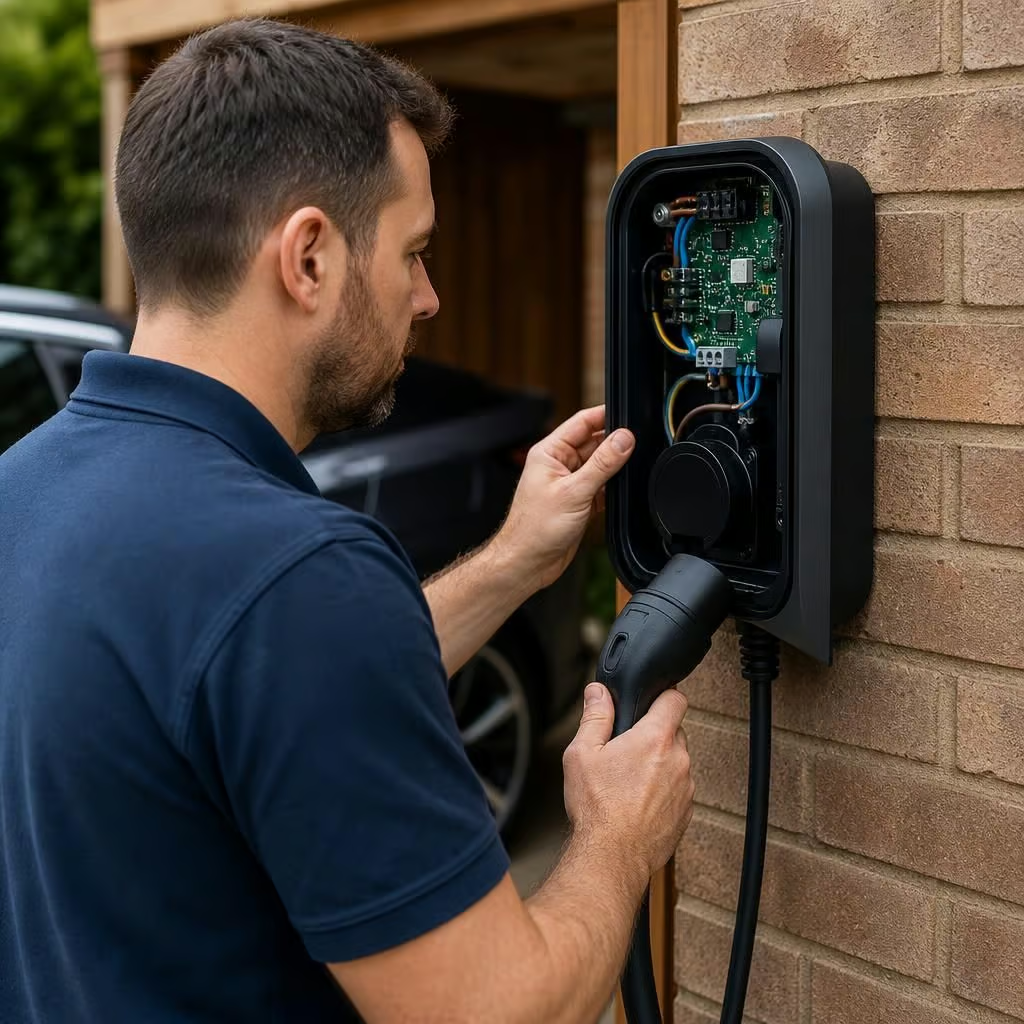
If a firmware update changes the charger’s app or menus, check the charging schedule before relying on it overnight. A previously configured tariff window or vehicle preference may need selecting again.
Run one manual charge and one scheduled charge after the update, if practical. If the charger loses its connection or refuses to start, keep the error message and update details rather than repeatedly resetting the unit. We can then check whether the issue is in the charger software, the home network or the account settings.
Arrange a smart EV charger maintenance check
If charging has become unreliable or the electrical installation has changed, contact us to arrange a smart EV charger maintenance check. We’ll assess the charger and connected equipment, explain what needs attention, and provide a written quotation before carrying out chargeable work.