
Heat Pump Heating Systems
Heat pumps can provide steady heating and hot water for homes and commercial properties. We assess the building, insulation, radiators and electrical supply, then design a low-carbon heating system around the building’s occupants, usage and practical constraints.
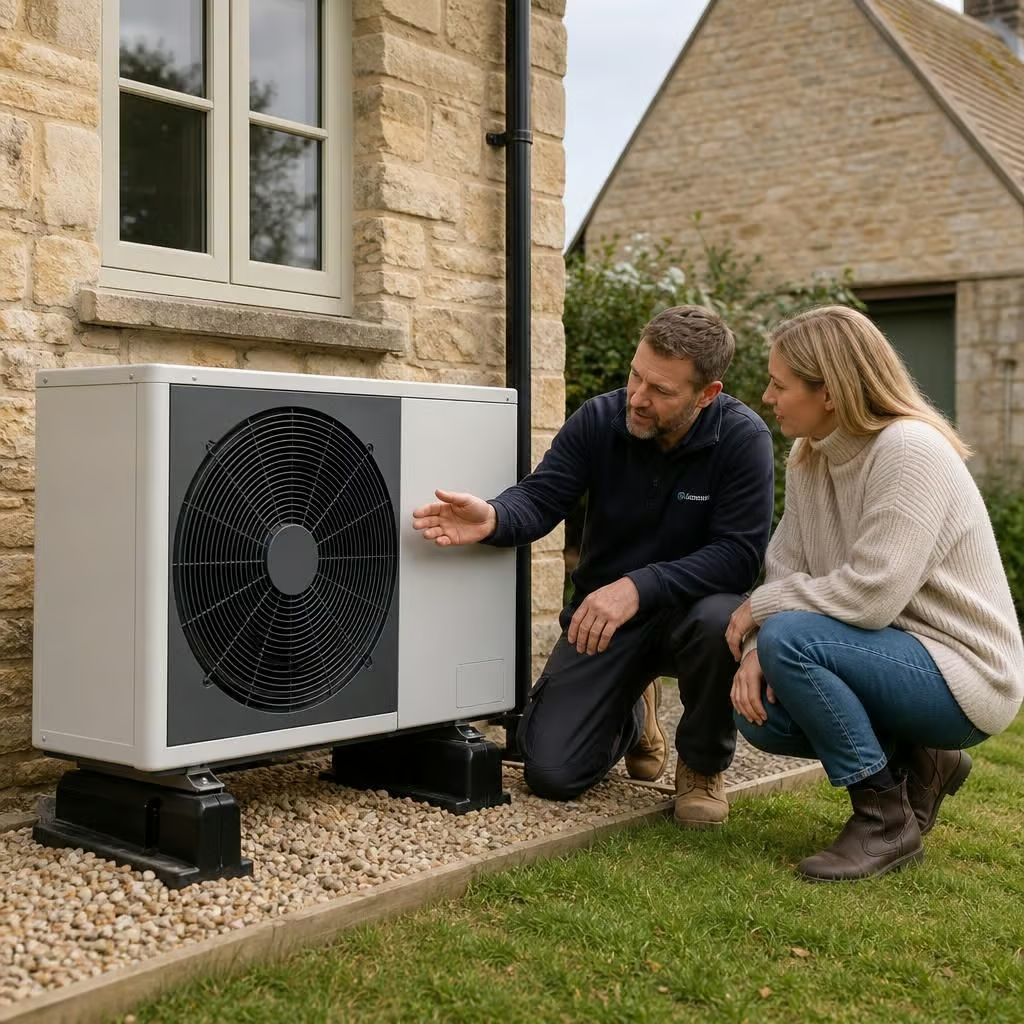
Comfort and control through every season
Cold spots and uneven temperatures are often the first signs that a heating system is struggling. We set up heat distribution so rooms warm steadily, with radiator or underfloor heating output matched to the heat pump. That means fewer adjustments at the thermostat and a more consistent feel across the house.
Your hot water cylinder and thermal store support the way your household uses hot water. We programme the controls around bathing, washing and occupancy, then explain the settings clearly. You can see what the system is doing and change temperatures or timings without guesswork.
Older or off-gas-grid properties need practical planning, not a standard swap. We coordinate necessary changes with the installation, leaving you with a heating system that works as a complete setup rather than isolated equipment. The finished result is controlled from one place and easier to manage day to day.
Is a Heat Pump Right for Your Property?
An older home, an oil-fired boiler and limited plant-room space each create different design questions. We look at what you have, how the rooms are used and what can change, then explain which heat pump route fits.
Replacing an oil or LPG boiler
If your home is off the gas grid, an air source heat pump can be assessed as an alternative to oil or LPG. We compare the existing heating output, fuel use and hot water needs before recommending a change.
Older solid-wall homes
Solid walls, draughts and mixed insulation affect the heat loss. We assess the building room by room, then explain which insulation or heating changes would make a heat pump practical.
Radiators and pipework
Existing radiators may not deliver enough heat at a heat pump’s lower flow temperature. We check their output and the pipework, then identify changes needed before installation.
Listed homes and barn conversions
Older and protected buildings can have restricted routes for pipework, cabling and external equipment. We consider the building’s construction and planning constraints before setting out a design.
Electrical capacity and equipment space
A heat pump needs suitable electrical capacity and room for its cylinder, controls and associated equipment. We check the supply and available space so the installation plan reflects the property rather than an assumed layout.
Homes with changing heating needs
A heat pump design must suit how rooms are occupied, not just the floor area. We discuss heating zones, hot water routines and the comfort priorities that matter to the household.
A clear decision before work starts
If the property needs substantial preparation, we set out the work and its effect on the overall cost in writing. If a heat pump is not the right route, we explain why before you commit.
Questions to Ask Before Choosing a Heat Pump Heating System
Is a heat pump suitable for an older home?
Suitability depends on heat loss, insulation, emitter sizes, hot water demand and electricity supply. We identify required changes before quoting, so you can compare installation cost, disruption and running requirements.
How much electricity does a heat pump heating system use?
Electricity use varies with heat loss, indoor temperatures, hot-water demand and weather. We model those factors during design, then explain expected consumption alongside tariff and control considerations for your property.
How disruptive is installing a heat pump heating system?
Installation may involve new radiators, pipework, controls or a hot-water cylinder. We plan these changes beforehand, protect working areas and coordinate trades, so disruption is clearly understood before work starts.
What does a heat pump heating system cost to install?
Installation costs depend on heat loss, equipment, cylinder, electrical work and required alterations. We survey these items, explain each cost, then provide a written quotation before work starts for approval.
How long does a heat pump heating system last?
Heat pumps are designed for long service, but performance depends on maintenance and correct settings. We explain servicing needs, monitor faults and help plan component replacement before failure affects comfort.
From an ageing oil boiler to a considered heat pump heating system
An ageing oil boiler was becoming harder to live with, and the owners wanted lower-carbon heating without losing reliable hot water. They asked us whether a heat pump would suit their home, rather than assuming a standard replacement was right.
We reviewed the survey with them, explained the installation stages and set out the practical changes before they decided. The written quotation separated equipment, labour and electrical work, so the scope and cost were clear.
Once they chose the system, our heating and electrical engineers installed the outdoor unit, cylinder, controls and pipework together. We tested and commissioned it, then showed the owners how to programme heating and hot water. They left with the paperwork and a clear explanation of the settings.
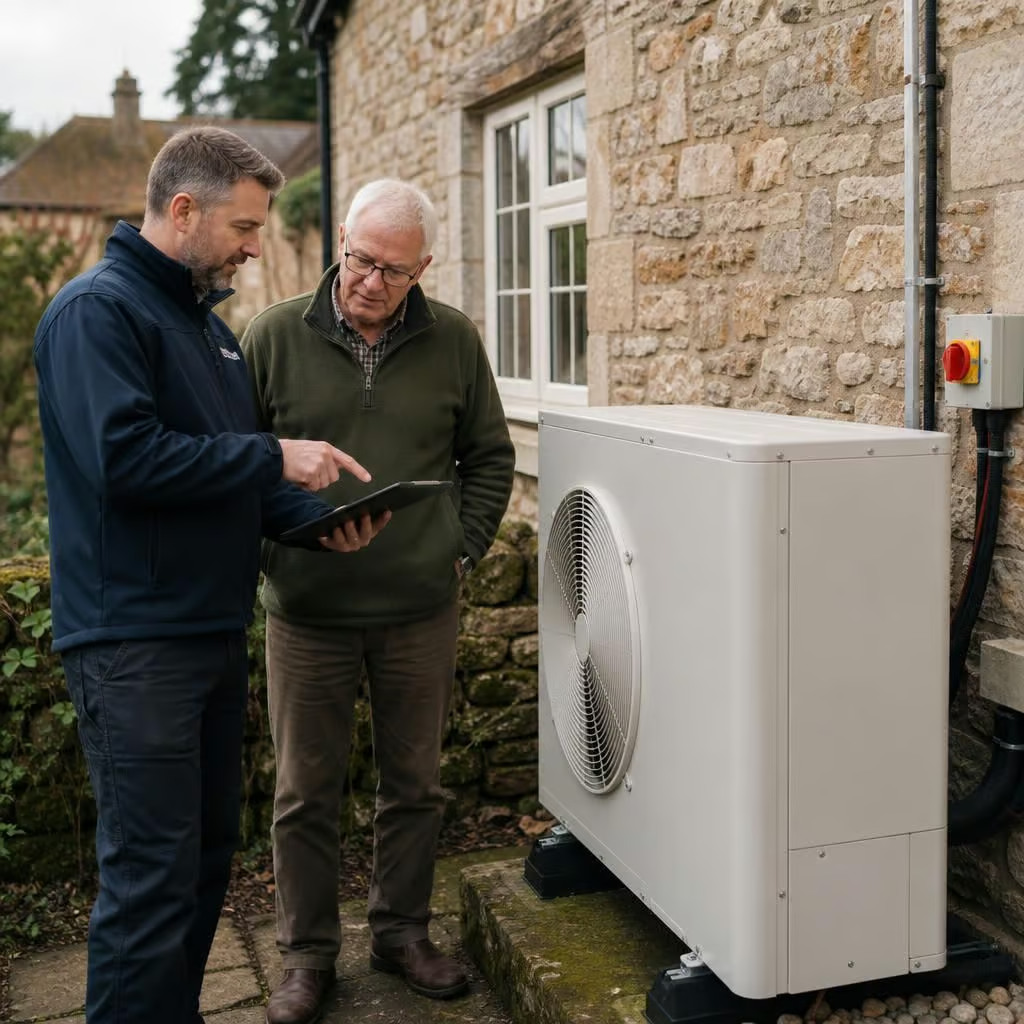
Evidence from Completed Heat Pump Installations
On eligible completed installations, our MCS certification allows us to make the Boiler Upgrade Scheme application on your behalf. The same certification supports eligibility for the Smart Export Guarantee.