
Central & Electric Heating
An older boiler, uneven radiators or rising electricity use can make the right heating upgrade unclear. We compare repairs, boiler replacement, electric heating and controls against your property, hot water needs and existing pipework before recommending practical next steps.
Compare central and electric heating options
Central heating can use gas, oil, LPG or electricity, while room-by-room electric heaters avoid pipework but may suit different homes. We explain installation demands, hot-water arrangements and likely running costs for each route.
Gas central heating
If your home already has a gas supply, a modern boiler can keep the existing radiators and hot-water arrangement. We check the boiler, flue, controls and pipework before recommending replacement or repair, with Gas Safe engineers carrying out gas work.
Oil or LPG central heating
Oil and LPG can suit homes beyond the gas network, but the tank, fuel delivery and boiler all affect the practical choice. We assess the existing system and storage arrangements, with OFTEC registration covering oil-fired work.
Electric boiler with radiators
An electric boiler can use existing wet radiators and pipework without a flue or fuel tank. Your electricity tariff and heat demand determine the running cost, so we compare those with the cost of changing the system before recommending this route.
Electric room heaters
Room-by-room heaters avoid new pipework and can work well for occasional heating or individual rooms. They do not provide stored hot water, so we plan the hot-water arrangement separately and consider how often each room needs heating.
Air source heat pump
A heat pump can suit a well-insulated home with space for an outdoor unit and hot-water cylinder. We check heat loss, radiator sizes, pipework, noise and the electrical supply first; MCS certification means we can handle an eligible Boiler Upgrade Scheme application on your behalf.
Keep the system and improve the controls
If the boiler and radiators are sound, better controls may solve uneven temperatures without replacing the whole system. We check zoning, thermostats, programmer settings and radiator performance, then set out the cost and disruption of improvement against a full upgrade.
Heating advice that accounts for the whole property
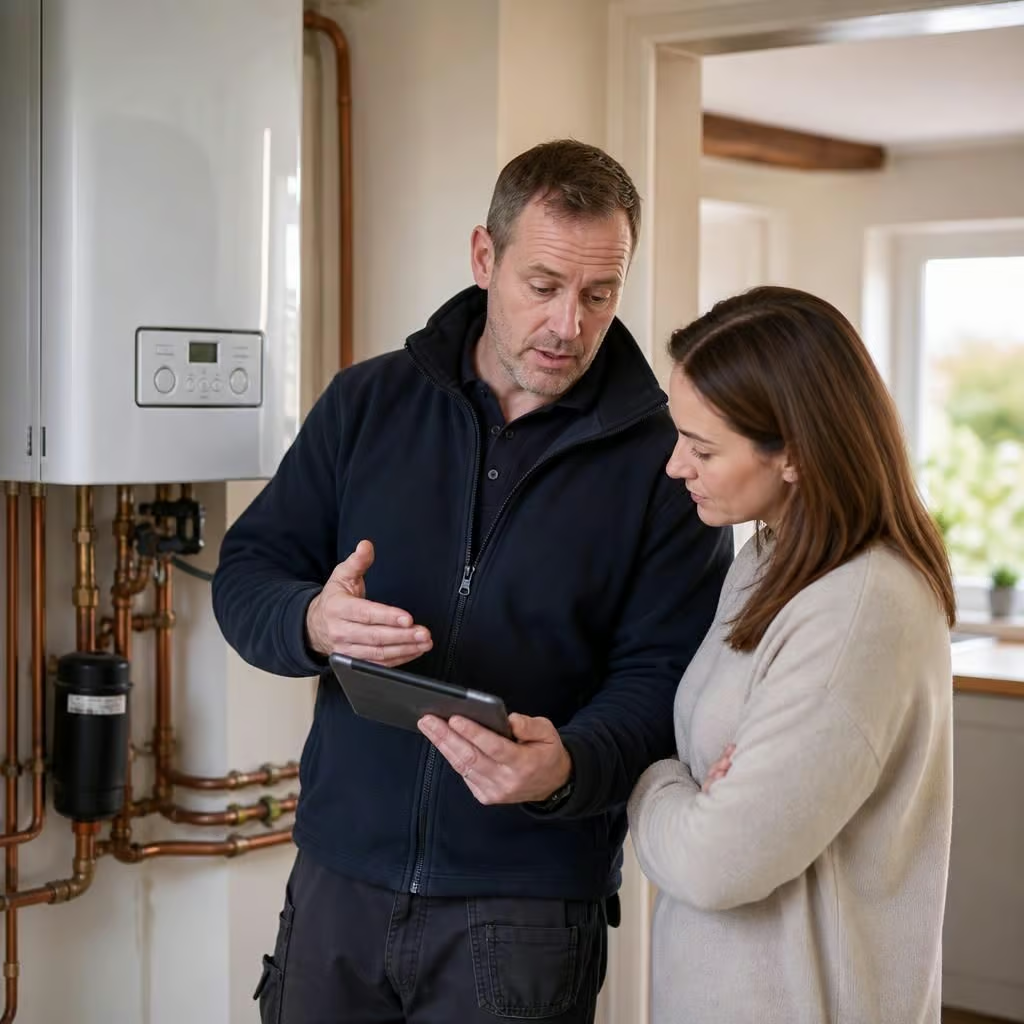
An online supplier can recommend a boiler from a few measurements. We look at the whole installation: flue route, controls, cylinder, radiators and available electrical capacity. That prevents a replacement that leaves cold rooms or needs avoidable alterations.
Older rural homes often combine solid walls, awkward pipe runs and oil or LPG heating. If your system needs more than a like-for-like change, we join the heating and electrical decisions, so controls, wiring, hot water and emitters work together. You receive a written quotation before work starts, with the proposed scope clear.
Landlords and property managers need records as well as working heat. We coordinate inspection, repair and upgrade work through the same team, then provide the paperwork needed for the property file. Engineers work in domestic and commercial settings, keep disruption orderly and leave the installation tidy.
What makes a heating upgrade work properly
Once the route is clear, we match the boiler, electric heater or controls to room use, hot-water demand and available supply. We explain changes before you choose.
On installation day, our engineers protect floors, connect the system and test controls. If a fault appears later, we trace the heating and electrical sides together, so you have one point of contact.
From heating assessment to dependable day-to-day performance
A recommendation you can compare
If repair, replacement and electric heating are all possible, we set out the practical differences in writing. You can compare installation work, controls and likely changes before choosing.
Heating matched to the way rooms are used
Rooms used at different times need different control strategies. We set up heating zones and thermostatic controls around how the home is occupied, rather than treating every room alike.
Electric heating sized for the supply
Electric heaters can add a substantial load to an older installation. We check the consumer unit, circuits and incoming supply before specifying equipment, so the system is properly supported.
The right engineer for the fuel
A gas boiler is worked on by a Gas Safe engineer. For oil-fired heating, our OFTEC registration covers the system and the work it needs.
Heating and controls that work together
New controls are only useful when they communicate correctly with the boiler, cylinder or electric heaters. We connect and configure the system as a whole, then show you how to use it.
A tested installation you can operate
Before we finish, we check temperatures, controls and safety functions. We explain the settings in plain English, so you know what has changed and how to adjust it.
One team for connected work
A heating change can involve wiring, plumbing and controls. Our directly employed engineers handle those parts in-house, so responsibility stays with one team rather than passing between contractors.
Help when the system needs attention
If the heating later behaves unexpectedly, we can investigate the controls, electrical supply and heating equipment together. That avoids sending you between separate contractors.
Questions to ask before choosing a heating engineer
Is this heating system suitable for my home?
Ask for a written quotation covering equipment, labour, alterations, testing, certification, disposal and future maintenance. Confirm the survey includes flue, radiators, pipework, controls and electrical capacity, with guarantees and exclusions.
How disruptive will replacing my heating system be?
Ask which rooms need access, how heating and hot water will be managed, and who removes old equipment. We protect floors, isolate services, test everything and explain controls fully afterwards.
What certification and paperwork will I receive after the heating work?
Ask for commissioning records, electrical or gas certificates, product registration details and warranty terms. We provide the relevant documents, explain controls, and identify any maintenance dates clearly for future reference.
What ongoing maintenance will my new heating system need?
Ask how often the boiler, radiators, controls or electric heaters need attention, and what symptoms matter. We explain servicing intervals, safe checks and who to contact if performance changes later.
What guarantees cover the boiler and installation?
Check what the manufacturer warranty covers, what installation terms apply, and which exclusions matter. We explain registration, provide the relevant documents, and tell you who handles faults if they arise.