
Home EV Charger Brands
Choosing a home EV charger is about more than matching a plug to your car. We compare charging speed, cable options, smart controls and your electrical supply, then recommend a brand that suits how you charge.
How the Main Home EV Charger Brands Compare
Brand choice affects more than the unit on the wall. We compare solar diversion, demand management, app reliance, warranty arrangements and upgrade potential, alongside the electrical work and ongoing costs each option may involve.
Tesla home charging
A Tesla charger suits a home where straightforward car charging matters most. We check the cable route, consumer unit and available electrical capacity before recommending it. If you later change cars, we confirm connector compatibility rather than assuming the charger will suit every model.
SolarEdge EV charging
SolarEdge is worth considering when solar panels or battery storage are part of the same energy system. The charger can work alongside the SolarEdge monitoring and control setup, including charging from available solar generation. We check whether the extra system controls justify the installation cost for your home.
Sigenergy EV charging
Sigenergy suits a planned solar and battery installation where the car is part of a wider energy system. Combining equipment can reduce duplicated controls, but the design needs careful checking around battery capacity, export settings and electrical load. We plan the charger with the rest of the installation rather than treating it as a separate appliance.
Fox ESS EV charging
Fox ESS can make sense if you already have, or are considering, Fox ESS solar and battery equipment. Keeping the equipment within one energy ecosystem may simplify monitoring, but model compatibility and app functions still need checking. We review the full setup, cable length and supply capacity before recommending this route.
Why Regional Experience Matters When Choosing a Home EV Charger
An online recommendation cannot see how a charger will sit within an older property. Regional homes may have long cable routes, limited consumer-unit space or supplies shared with other equipment. We assess those details on site, so the brand fits the building rather than a generic checklist.
If solar panels or battery storage are already installed, the charger must work alongside them. We bring the electrical and energy advice together, explaining cable routing, protection and smart controls in plain terms. The result is a charging setup planned around how you actually use the car.
Landlords and property managers need clear scope and records as well as a working charger. We assess domestic and commercial settings, plan around access and safety, and leave the work tidy. A written quotation sets out the installation before it starts.
What We Check Before We Recommend a Charger
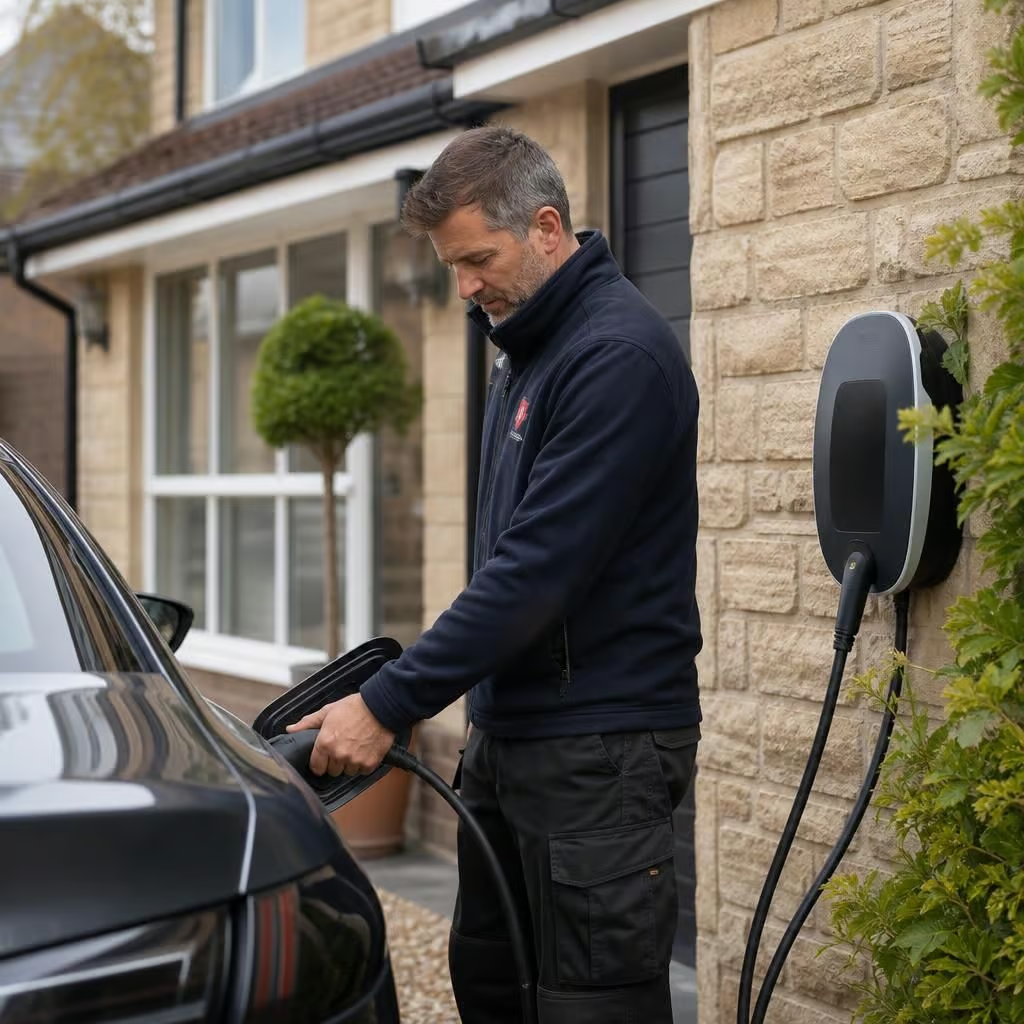
Once we understand how you charge, we match the charger’s features to the car, tariff and household routine. That may mean a tethered cable for daily convenience or an untethered socket for flexibility, with controls kept simple enough to use without constant app checking.
After installation, we test protective devices and show the everyday controls. Our records support future adjustments.
Features That Matter After You Choose a Brand
A brand matched to your routine
Your charging pattern, car and tariff point to different strengths. We compare suitable brands and explain the trade-offs before you decide.
Capacity for the whole home
If the charger shares power with heating, cooking or other equipment, we plan the supply so normal household use remains practical.
Electrical work done properly
Your charger is installed and tested by NICEIC- and ECA-recognised electricians, with the protection needed for the chosen equipment.
Settings you can change later
Your charging needs may change with a new car or tariff. We explain the controls clearly and can review the setup when the system needs adjusting.
A clear handover
You receive the charger information and test records, so future servicing or electrical work starts with the right details.
Questions to Ask Before Choosing a Home EV Charger Installer
What should a home EV charger quotation include?
Ask for itemised costs, expected disruption, certification, warranty terms and maintenance arrangements. The quotation should identify equipment, protective work, testing, handover, exclusions and who handles remedial visits if something fails.
Will the proposed charger work with my electrical supply?
Your supply may lack capacity for a 7kW charger, especially with solar or electric heating. We assess the intake, consumer unit and load, then explain upgrades or alternatives before installation.
What warranty comes with a home EV charger installation?
Check whether the warranty covers the charger, installation, or both, when it begins, and what voids it. We record commissioning details and explain who to contact if a fault develops.
What maintenance does a home EV charger need after installation?
Keep the cable, plug and enclosure clear of damage, and install software updates when required. We explain basic checks, record commissioning details, and identify who handles faults or replacement parts.
Can the installer certify the EV charger installation?
Yes. Our NICEIC-registered electricians issue the electrical certificate, record test results and explain any building-control notification, leaving paperwork for your property records, future alterations, sale or letting of the property.
Talk Through Your Home EV Charger Options
Bring us the charger shortlist and your questions. We’ll compare the options against your car, supply and installation requirements, explain the recommendation plainly, and have qualified engineers complete the required certification, leaving the next steps clear after the work.