
Solar Power for a Future-Ready Home
Solar panels can turn an overlooked roof into useful household electricity, with battery storage keeping more of that generation available after sunset. We assess the property first, then design a home solar system around its roof, demand and future plans.
Make more of the energy your home generates
Your daytime electricity can come directly from the panels, helping power washing, hot water or home office use while the system generates. Monitoring shows generation and demand, so you can choose when to use energy.
We explain seasonal generation and check the existing electrics, leaving you with a system that feels manageable and ready for future needs.
Useful power through the day
Solar generation can cover everyday demand such as appliances, hot water and home working while the panels are producing.
More energy available after dark
A battery stores suitable surplus generation, giving your home access to more of its own electricity into the evening.
See what your system is doing
Clear monitoring shows generation, battery levels and household demand, so you can make informed choices about when to use electricity.
Designed around the property
Roof orientation, available space and household demand all affect the design, so the system fits the home rather than forcing a standard layout.
Ready for changing needs
A well-planned system can account for future electricity use, including an EV charger or other higher-demand appliances.
A practical step towards lower-carbon living
Generating electricity at home reduces reliance on grid power when your panels are producing, without changing how the household works.
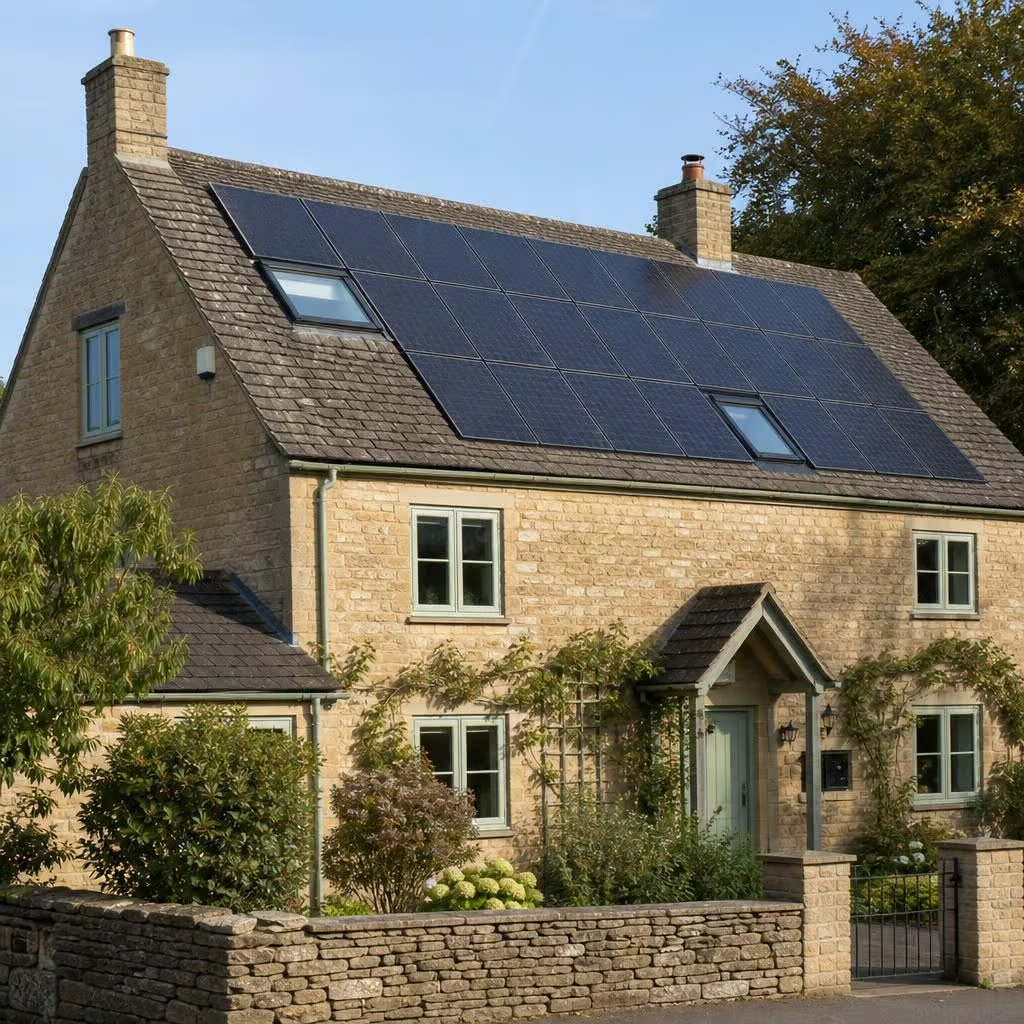
A practical upgrade for your home’s energy use
A solar installation should feel like part of the house, not an unfinished building job. We plan the cable routes, inverter position and access before work begins, so the finished system sits neatly within the property.
Older roofs can bring awkward angles, shading or future repair concerns. We assess these points before recommending equipment, helping you avoid paying for a system that the property cannot support properly. Where changes are needed, we explain them before you decide.
We also compare expected generation with your household demand, so the system is sized around how you live rather than a headline figure. Your quotation sets out the equipment, installation work and likely export arrangements clearly, giving you a practical basis for deciding whether home solar earns its place.
From solar ambition to a system that fits your home
High electricity use during the day can make solar appealing, but the right system depends on what you want it to do. We use your usage and plans for the home to compare panel-only and solar-and-battery options, explaining the trade-offs before you commit.
Once you approve the design, our electricians install the panels, inverter and protection equipment, then test everything before switching it on. We explain any consumer-unit changes before work starts and show you what has been completed.
At handover, you can see how the system is performing and learn how to use more of its generation at home. Our MCS certification allows us to make an application for the Smart Export Guarantee on your behalf. The paperwork records the installation clearly, leaving you with a working home solar system and clear next steps.
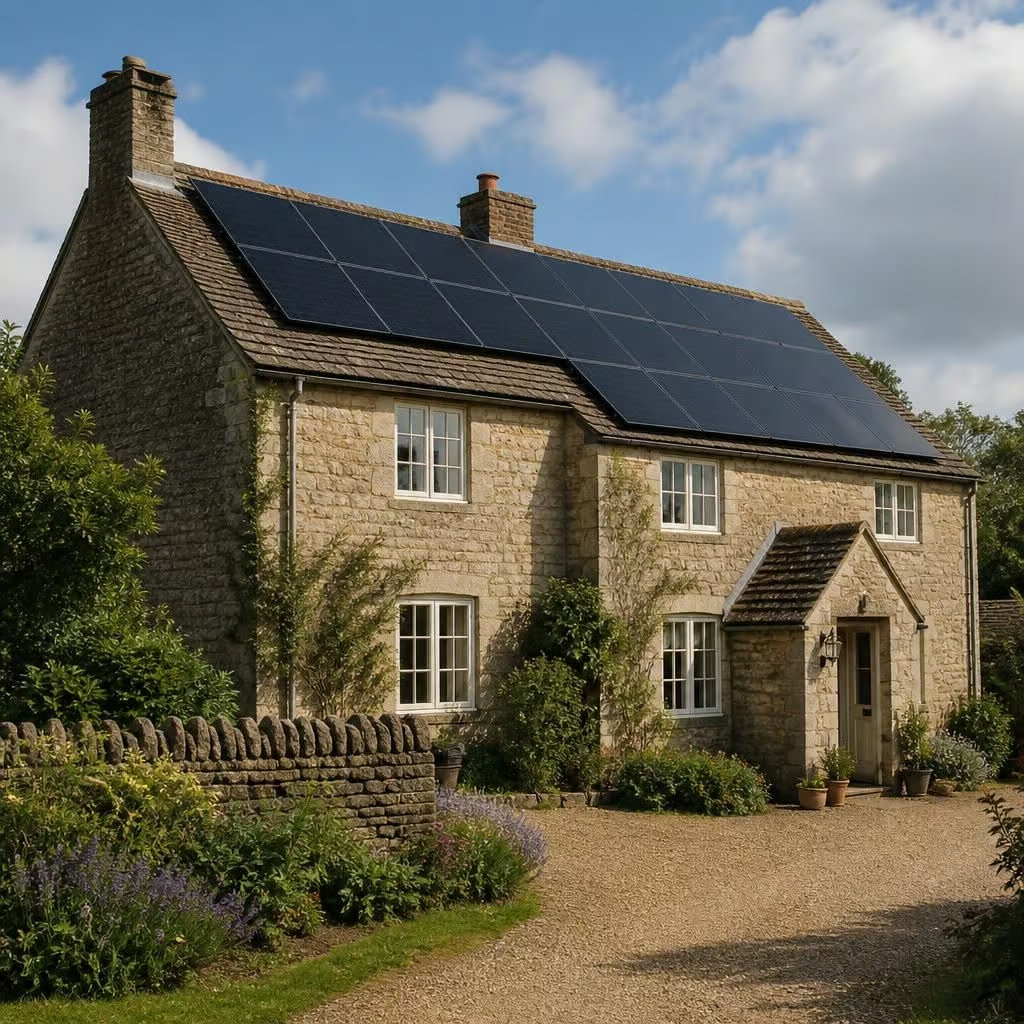
Solar installations shaped around real homes
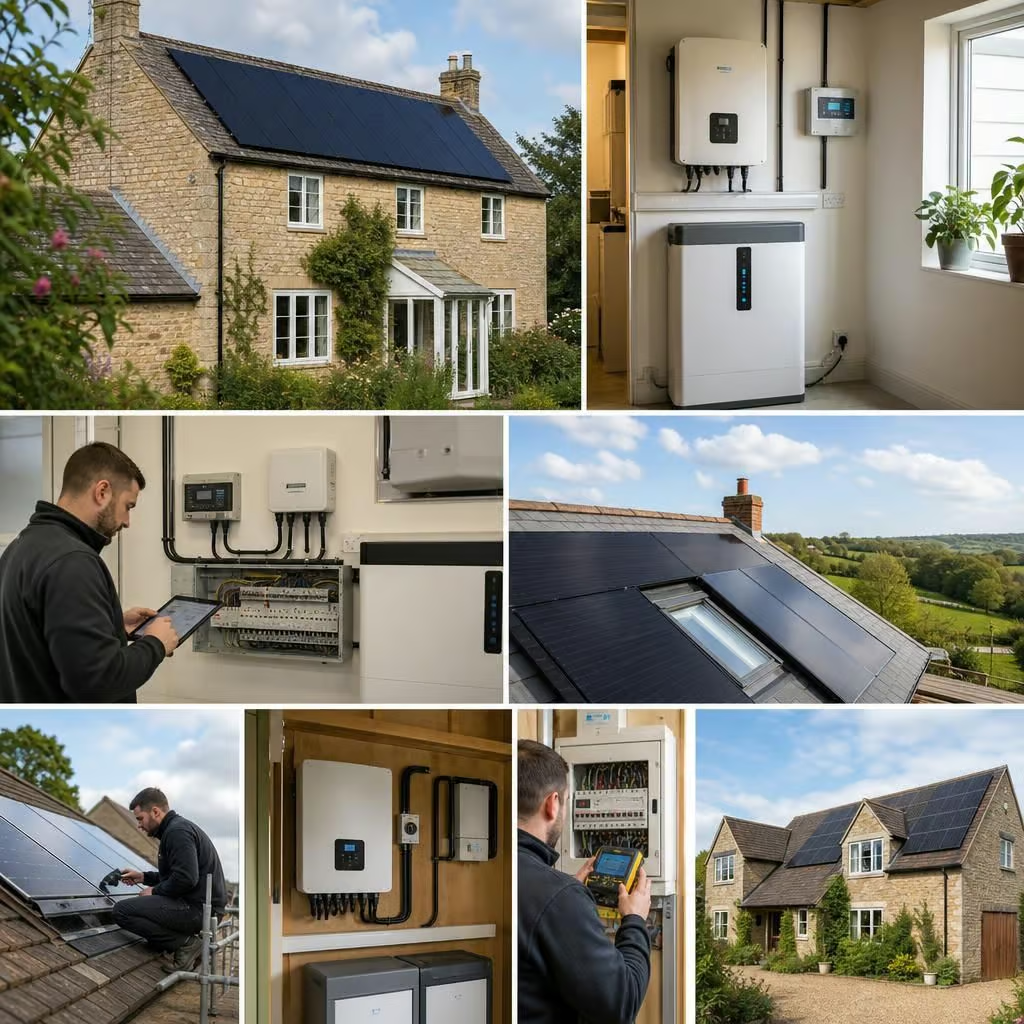
Solar that respects an older roof
An older or rural home can still be suitable for solar, but the roof layout matters. We account for chimneys, roof windows, shading and the building’s appearance before fixing the panel arrangement. The result is a working system that fits the property rather than forcing an awkward layout.
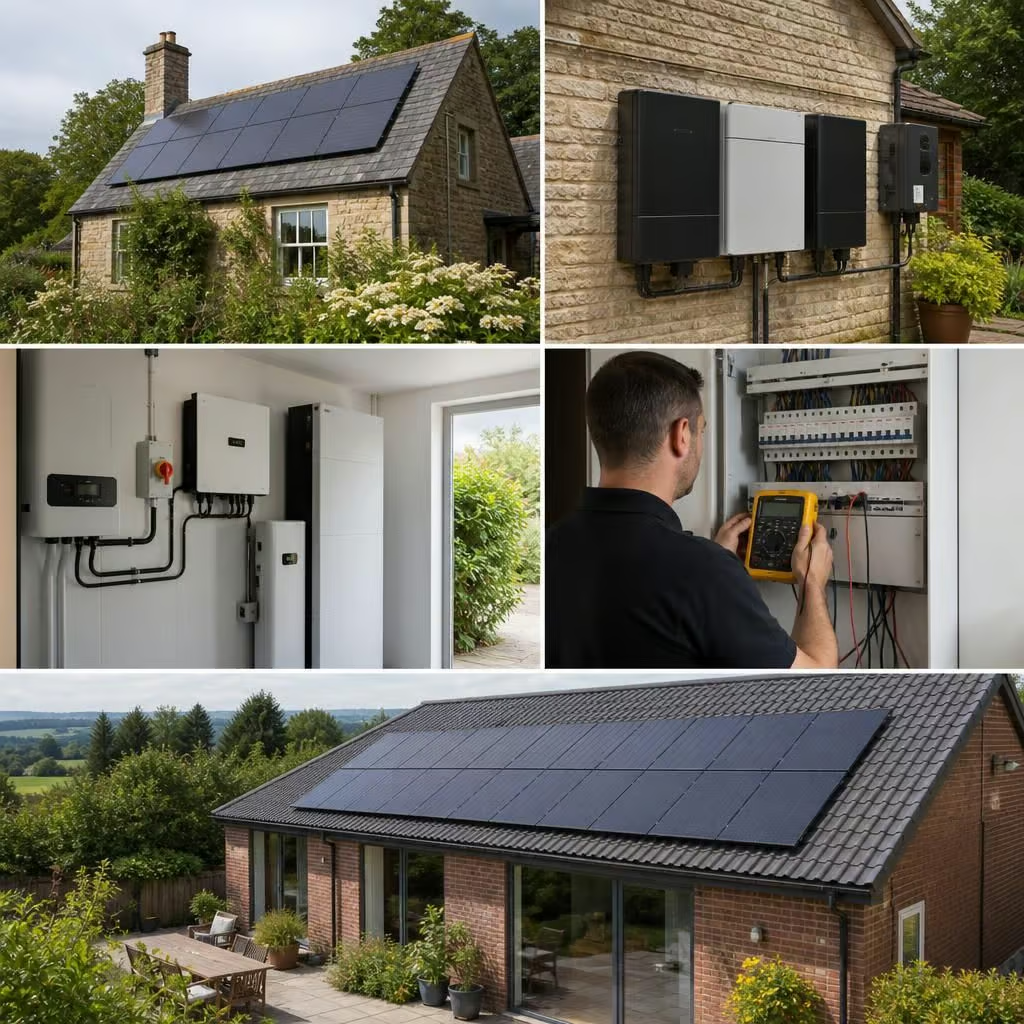
More of the solar power used at home
A household that uses more electricity in the evening may benefit from storage. We compare the expected generation with the home’s actual demand before recommending a battery. That gives you a clearer view of what the system can do and avoids adding equipment without a practical reason.
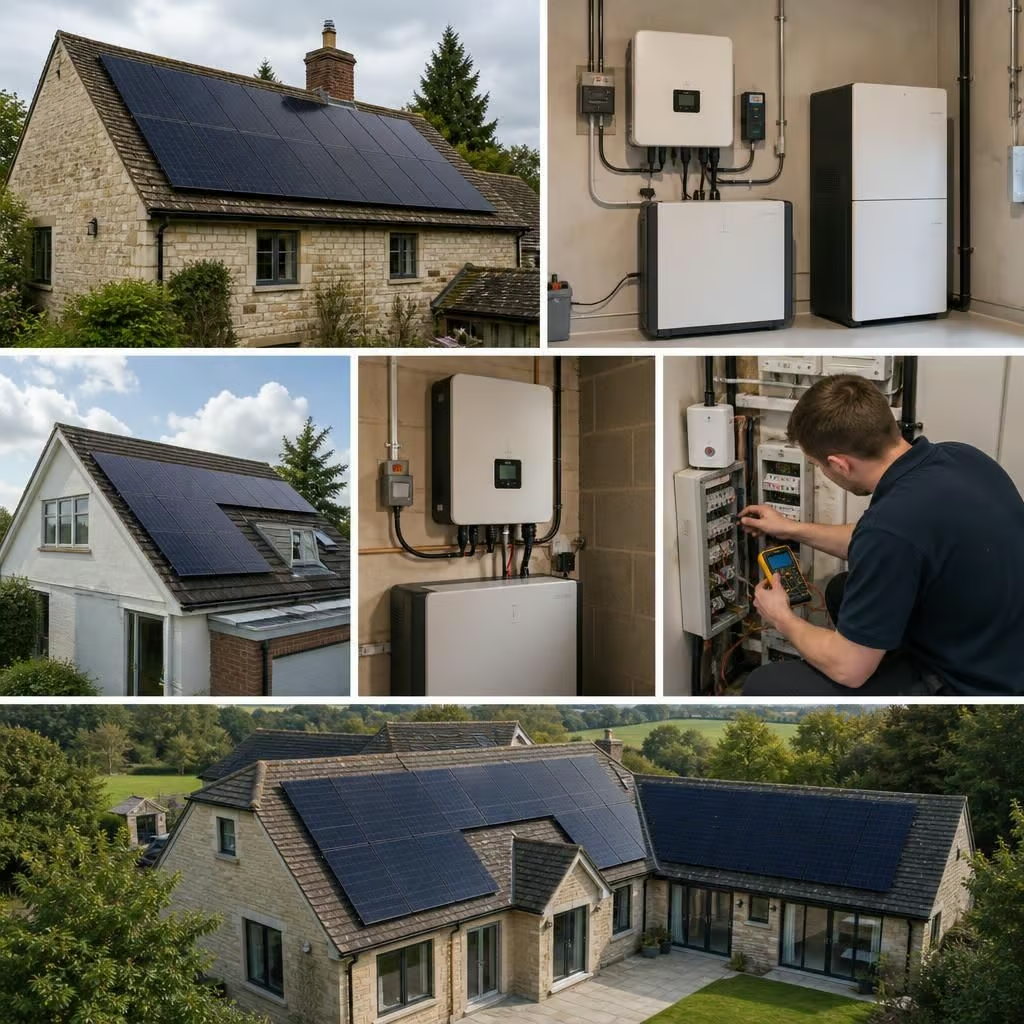
Equipment placed with the household in mind
The inverter, battery and protection equipment need a suitable location, not simply an empty wall. We consider access, ventilation, cable routes and how the space is used. You see the proposed positions before work starts, so the finished installation is easier to live with.
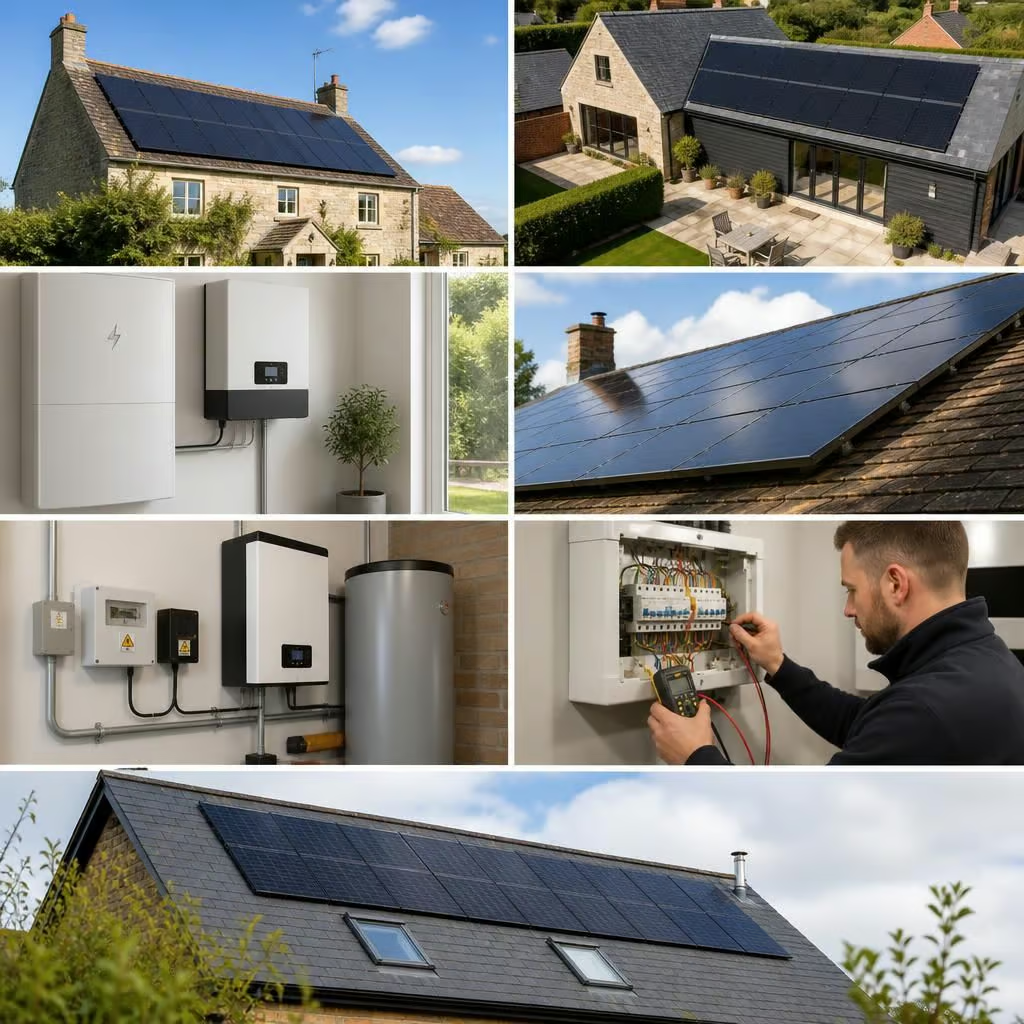
A clear record when the installation is complete
Once the panels are fitted, we test the electrical connections and confirm that the system is operating correctly. You receive the relevant installation information and an explanation of the controls. MCS certification also allows us to make a Smart Export Guarantee application on your behalf.
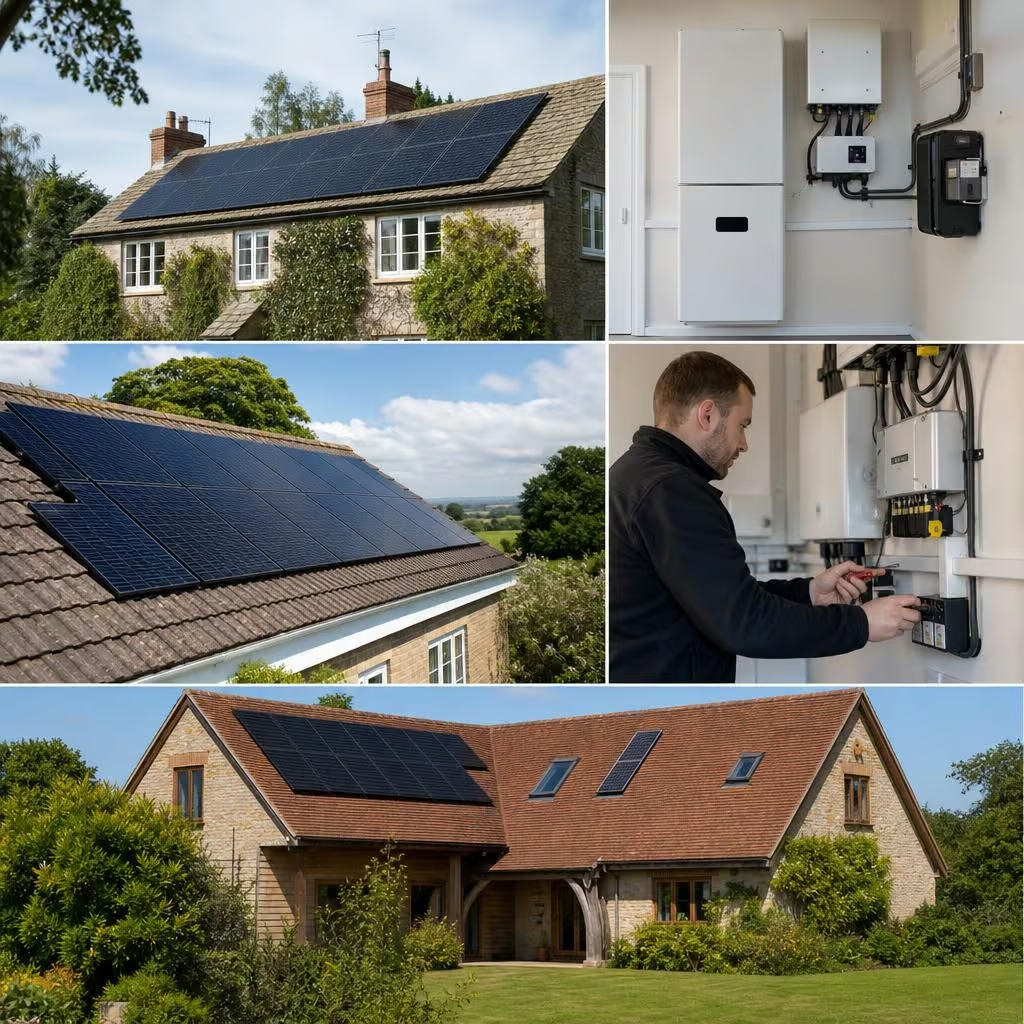
A system that can support future plans
Your electricity needs may change after the installation, particularly if you add an electric vehicle or change how the home is heated. We discuss those plans before finalising the panel and battery design. That helps the system work with the property’s next step, not just today’s electricity use.
Questions about home solar panel systems
Is my home suitable for a solar panel system?
Solar panels have few moving parts, so routine servicing is limited. We explain system checks, generation readings and fault indicators, helping you spot when professional attention is needed later.
How much electricity will my home solar panel system generate?
Generation depends on roof orientation, shading, panel capacity and seasonal sunlight. We model those factors against household usage, then explain expected output so you can judge panel-only or battery options.
How much does a home solar panel system cost?
Costs depend on roof access, panel capacity, electrical work and whether battery storage is included. We survey the property, explain each allowance and provide a written quotation before installation starts.
How disruptive is installing a home solar panel system?
Roof work may require scaffolding, but it does not normally require rooms to be emptied. We agree safe access arrangements beforehand and protect floors where engineers need to work inside.
What happens if my home solar panel system develops a fault?
If the inverter shows a fault or generation stops, contact us rather than resetting unfamiliar equipment. We diagnose the panels, cabling and inverter, then explain the repair clearly before proceeding.