
How can I compare solar panel quotations fairly?
Compare solar panel quotations on a like-for-like basis: check the proposed system design, panel and inverter specifications, mounting equipment, electrical work, scaffolding, warranties and any exclusions. A fair quotation should explain what the survey found, what is included in the installation, and the full price you will pay before work starts.
Start by asking each installer to price the same design and scope. Then compare the assumptions behind the quotation, not just the total. A lower figure may leave out access equipment, electrical alterations, monitoring, certification or work needed after the survey.
Check that the proposed system is based on your roof. A proper quotation should show the roof areas being used, panel positions, orientation, pitch and any shading considered. Trees, chimneys, dormers and nearby buildings can reduce generation at particular times of day. Two quotations using different roof layouts are not directly comparable.
The design should also state the proposed panel capacity, inverter type and battery capacity if storage is included. Look for an estimated annual generation figure and the assumptions used to calculate it. Treat a larger system as better only when the roof, electricity use and budget support it. More panels may need additional access equipment or electrical work, while a battery may be sized around evening demand rather than panel capacity alone.
Ask what the forecast means for your household. A generation estimate is not the same as the electricity you will use directly. Ask how much of the forecast output is expected to be used in the home, stored in the battery or exported. The result depends on when you are in the property, how you heat water, whether you charge an electric vehicle and how the battery is controlled.
If a quotation includes savings or payback calculations, ask for the assumptions in writing. They should identify the electricity price, export payment, battery behaviour and expected changes in consumption. These figures are not promises, and a calculation based on different usage can make one quotation appear cheaper than another.
Read the equipment schedule carefully. The panel count alone tells you very little. Check the named panel, inverter, battery, mounting system and monitoring equipment. The quotation should make clear whether the battery is included, whether it can be expanded and whether the inverter can manage the proposed system.
Compare the useful features as well as the brand names. For example, check whether monitoring shows panel-level performance or only the system total, and whether the battery can be charged from the grid where that matters to your plan. Ask who supports the equipment if the app stops working or a component develops a fault.
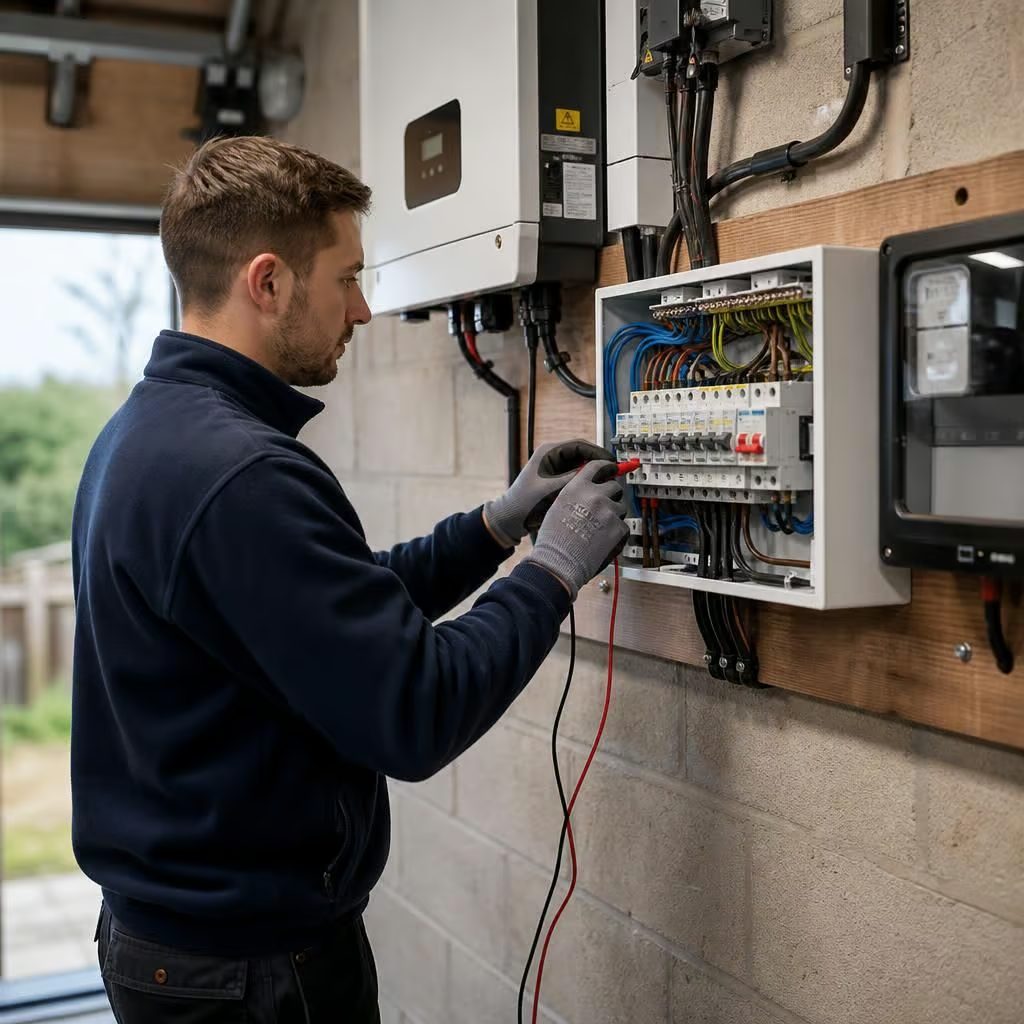
Separate included work from possible extra work. A quotation should explain how the cable will travel from the roof to the inverter and consumer unit, where equipment will be mounted, and what condition the existing electrical installation must be in. It should identify the isolators, protective devices, generation meter or monitoring equipment needed for the installation.
Your existing consumer unit may need alterations if it cannot safely accommodate the solar system. A long cable route, difficult roof access, scaffold, a roof repair or asbestos-containing materials can also affect the price. Ask whether these items have been inspected, included or excluded. An exclusion is not necessarily a problem, but it should not appear as an unexpected charge later.
For an older or rural property, check the proposed route through the building rather than assuming cables will take the shortest path. Solid walls, listed features, outbuildings and detached garages can make a neat installation more involved. The quotation should explain any visible trunking, drilling or internal equipment position before work starts.
Compare the paperwork you will receive. Ask who will notify the relevant network operator and provide the completion documents. You should know whether the quotation includes the electrical test results, installation certificate, system commissioning information and user instructions.
Solar installations should also be recorded correctly for export arrangements. Our MCS certification means the completed installation can meet the certification requirement for the Smart Export Guarantee, subject to the energy supplier’s application terms. Ask each installer what certificate they provide and who completes the application paperwork.
Look beyond the word “warranty”. A quotation may refer to several different protections. The panel and inverter have manufacturer warranties, while the installation itself may have separate workmanship cover. A battery can have its own conditions linked to cycles, capacity or operating temperature.
Ask for the length and terms of each warranty, who you contact if something fails and whether labour, diagnosis and replacement are covered. Check what could invalidate the cover, such as unapproved alterations or a failed internet connection for monitoring. Do not treat a long equipment warranty as proof that the installation quality is the same.
Check the commercial terms before comparing totals. Each quotation should state whether VAT is included, how long the price remains valid and when payments are due. It should also show what happens if the survey finds a different roof condition, inadequate electrical capacity or a need for additional access equipment.
Written quotations should distinguish a fixed price from an estimate. If the installer can change the price after acceptance, the circumstances and approval process should be clear. We issue written quotations before work starts and set out the agreed scope so that additional work is discussed rather than added without explanation.
Use the survey to test the installer’s judgement. A quotation is stronger when it records the roof condition, shading, consumer unit, cable route and equipment locations. It should also acknowledge limitations. For example, an installer should not present an optimistic output forecast if shading or roof space restricts the design.
Ask what would make the property unsuitable or require a revised design. Honest advice may mean reducing the panel count, changing the equipment position or recommending roof repairs first. That is more useful than accepting a system that looks attractive on paper but cannot be installed as described.
Before choosing, place the quotations side by side and mark each item as included, excluded, assumed or requiring confirmation. The fairest comparison is the one where the system design, forecast, access arrangements, electrical scope, paperwork, warranty responsibilities and final price can all be understood without guessing.
A quotation should still make sense after the survey has finished and the conversation is forgotten. If an item is described only as an allowance, provisional sum or optional extra, ask what decision will turn it into a final cost.
We explain each part in practical terms, including what it does, where it will go and what could change the price. That gives you a written record to compare, rather than relying on different verbal explanations from each installer.