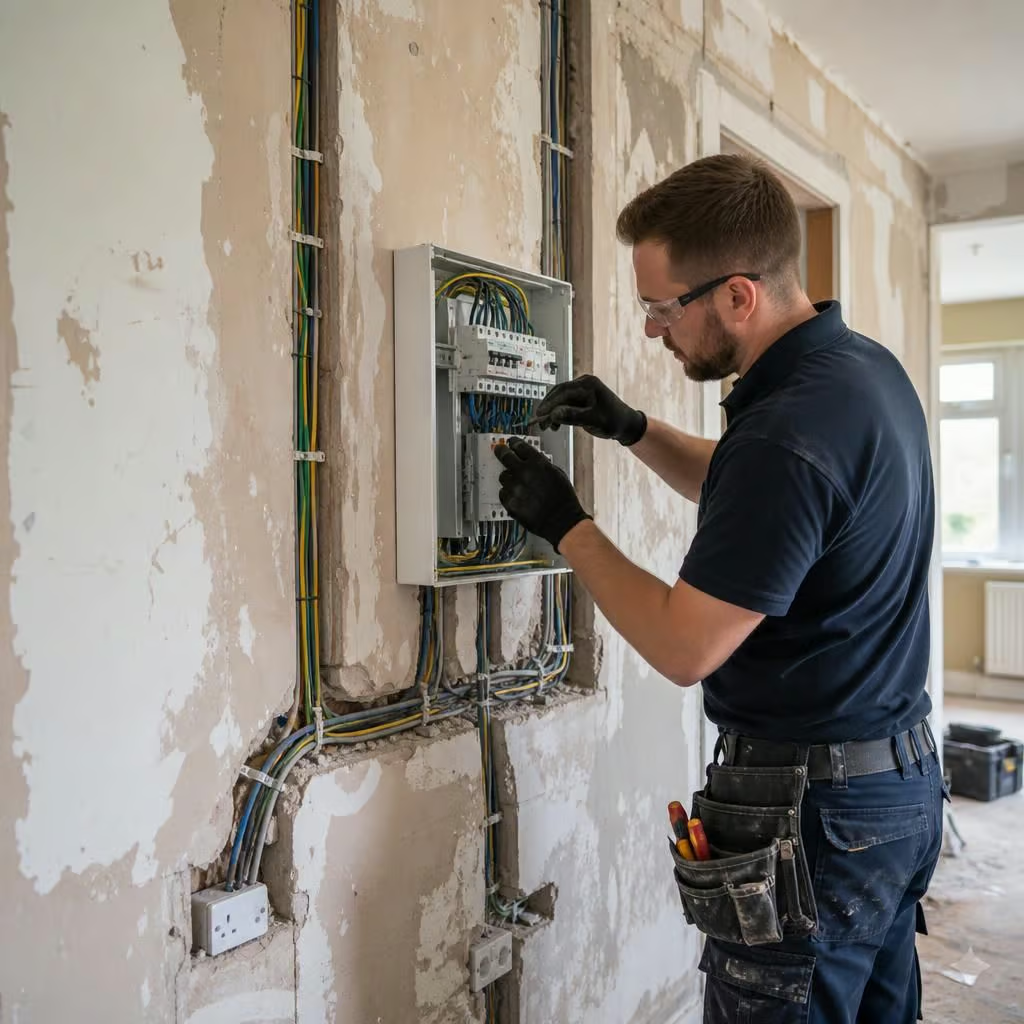
How much does it cost to rewire a house?
There’s no single price for rewiring a house: the cost depends on its size, the number of circuits and accessories, the condition of the existing wiring, and how accessible the cables are. We inspect the installation and provide a written quotation before work starts, so you can see exactly what the rewire includes and what you’ll pay.
There is no reliable single price for rewiring a house. The final cost depends on the electrical work needed, how easily we can reach the cables and whether the rooms need repairing afterwards. A proper quotation should show each part of the work, rather than presenting one unexplained figure.
What a full rewire usually includes
A complete rewire replaces the main electrical circuits, cables, accessories and protective equipment. The work may include:
- New lighting circuits and switches
- New socket circuits and additional sockets
- Dedicated supplies for cookers, showers, heating equipment and other high-load appliances
- A replacement consumer unit with appropriate circuit protection
- Main bonding and earthing checks or upgrades
- Testing, inspection and electrical certification when the work is complete
The number and position of sockets, switches, lights and dedicated circuits affect the price. Adding extra points while walls and floors are already open usually costs less than returning later for separate alterations.
Why the property itself changes the cost
A compact house with accessible floorboards may take less work than a larger property with several floors and limited access. The cable routes matter as much as the number of rooms.
- Solid walls: chasing cables into masonry creates more dust and usually needs more making-good afterwards.
- Plasterboard walls: cables may be easier to route, although access can still be restricted by insulation and existing structures.
- Suspended floors: accessible voids can make cable runs simpler. Concrete floors often require a different route.
- Older or altered properties: previous extensions, loft conversions and piecemeal electrical work can leave an irregular installation to trace.
- Listed or sensitive buildings: cable routes and surface finishes may need more careful planning to avoid unnecessary damage.
- Occupied homes: moving furniture, protecting rooms and working in stages can increase the labour involved.
Older rural homes can need particular care because thick walls, exposed beams, stonework and later additions restrict where cables can run. We assess those constraints before deciding how much access the work will require.
The consumer unit is part of the decision
A rewire normally includes reviewing the consumer unit because the existing unit may not provide suitable protection for new circuits. Its position, condition and available capacity also affect the work.
If the consumer unit needs replacing, the quotation should identify it separately. The same applies to earthing, bonding and any remedial work found during testing. This makes it easier to distinguish essential safety work from improvements you have chosen to add.
Making good can be a significant part of the bill
The electrical installation is only one part of a rewire. We need access to floors, ceilings, cupboards and walls, then cables and accessories must be installed and tested. Some areas may need lifting, cutting or drilling.
Ask exactly what happens to those surfaces afterwards. A quotation may include only basic filling, while plastering, decorating, flooring repairs or extensive joinery may sit outside the electrical work. Neither approach is automatically wrong, but the difference should be clear before you agree to proceed.
Where possible, we plan routes to limit damage and discuss access with you before work begins. You can then decide whether to remove furniture, lift floor coverings or arrange separate decorating work.
Partial rewiring is not always the cheaper answer
A partial rewire may be suitable when one area has been extended, damaged or altered and the rest of the installation remains satisfactory. It can also address a specific circuit or safety issue.
It is not suitable simply because it produces a lower initial figure. Leaving old cables and accessories in place may mean that faults, outdated wiring or limited capacity remain elsewhere. We first establish whether the existing parts can safely stay and explain what a partial job would leave untouched.
A later full rewire can also cost more if new work has to be removed or routes become harder to access. The lowest immediate price is not necessarily the lowest overall cost.
How we prepare a rewire quotation
During the survey, we look at the existing installation, the condition of the cables and accessories, the consumer unit, earthing and bonding. We also discuss how you use each room and what you may want to add, such as extra sockets, outdoor supplies or power for future equipment.
Your quotation should then set out:
- Which circuits and areas are included
- The number and type of sockets, switches and light points
- Whether the consumer unit will be replaced
- Any earthing, bonding or other remedial work
- How much access and making-good is included
- What you need to remove or arrange before work starts
- Testing, certification and any exclusions
- Whether the stated price includes VAT
We provide a written quotation before work starts. If you change the specification or concealed conditions require additional work, we explain the effect before carrying it out rather than adding an unexplained charge.
How to compare prices from electricians
Two quotations can differ because they describe different installations. One may include a generous number of sockets, a new consumer unit, extensive access work and making-good. Another may allow for fewer points or leave some existing equipment in place.
Compare the scope line by line. Check the number of points, the cable routes, protective devices, certification and repairs to walls or floors. Ask who will complete the work and who will test it. A quotation that omits these details is difficult to compare fairly.
For electrical work, NICEIC and ECA registration indicates that the contractor works within recognised electrical standards and processes. The important result for you is correctly designed, tested and documented work, with the relevant certification provided when the installation is complete.
What happens after installation
We test the circuits after installation, check the protective devices and record the results. You should receive the appropriate electrical installation certificate and any supporting documentation required for the work.
Keep those documents with the house records. They can help when you sell, let or alter the property later, and they show what has been installed rather than leaving the next electrician to work it out from scratch.
The sensible way to establish the cost of rewiring is therefore to arrange an inspection and request a detailed written quotation. The price should reflect the actual circuits, access, accessories, consumer unit work and making-good your house needs, not a generic figure based only on its number of bedrooms.
If you’re planning an EV charger, garden office or other high-load equipment, mention it before we price the rewire. We can assess the supply, consumer unit capacity and cable routes as part of the design, rather than treating it as a separate alteration later.
That does not mean adding work you don’t need. It means the quotation reflects the way you expect to use the house, so the electrical installation is assessed as a whole before the walls and floors are closed again.