
What happens if the survey finds an electrical problem?
If the survey finds an electrical problem, we explain the risk, what needs correcting and whether it affects the charger installation. We provide a written quotation before any remedial work starts, so you can decide how to proceed.
If our survey finds an electrical problem, we stop and explain whether it affects safety, the charger design or both. We won’t connect the charger until the installation can support it safely.
Some findings are minor and may not prevent installation. Others need correcting first. The survey helps separate the two instead of treating every older component as a reason to replace the whole installation.
- Protective devices: an old fusebox or inadequate RCD protection may need upgrading before the charger circuit is installed.
- Earthing and bonding: missing or unsuitable earthing and bonding can create a serious safety risk. We correct this before adding new electrical equipment.
- Cables and circuits: damaged cables, an unsuitable cable size or an overloaded existing circuit may need repair or replacement.
- Consumer unit capacity: there may not be enough space or suitable protection for a dedicated EV charger circuit.
- Supply limitations: the available electrical supply may affect the charger rating, cable route or installation design.
An older home does not automatically need a full rewire. We assess the parts of the installation affected by the charger and explain when a wider repair is genuinely necessary. A property with several alterations, ageing wiring or previous DIY work may need more investigation before we can confirm the final design.
If the issue is confined to the proposed charger circuit, the work might involve installing a new dedicated cable, replacing damaged sections, fitting suitable RCD or RCBO protection, or making changes at the consumer unit. If the fault is elsewhere, we explain why it matters and whether it must be dealt with before the charger can be connected.
Where the proposed charger position creates the problem, we may suggest a different cable route or mounting position. That can avoid unnecessary disruption inside the home, although the safe route still depends on the building, the consumer unit and the distance to the parking space. We’ll explain any need for access, floorboard lifting, drilling or surface-mounted cable before work begins.
Safety-critical faults are dealt with before installation. If a circuit is damaged or presents an immediate risk, we may need to isolate it while we agree the repair. We’ll tell you what has been isolated and what that means for using the affected part of the property.
Our written quotation sets out the recommended correction, why it is needed and how it changes the charger installation. If there is more than one safe approach, we explain the practical difference between them. You can then decide whether to proceed with the remedial work, alter the charger design or postpone the installation.
After the electrical work, we test the affected circuits and confirm that the charger installation can proceed. Our NICEIC-registered electricians work to the relevant electrical requirements, with the ECA providing an additional indication that the work is being carried out by an established electrical contractor.
Once the problem has been corrected, we return to the charger installation as agreed. If the survey shows that the property needs wider electrical work first, you’ll have that information before paying for equipment or starting disruptive work.
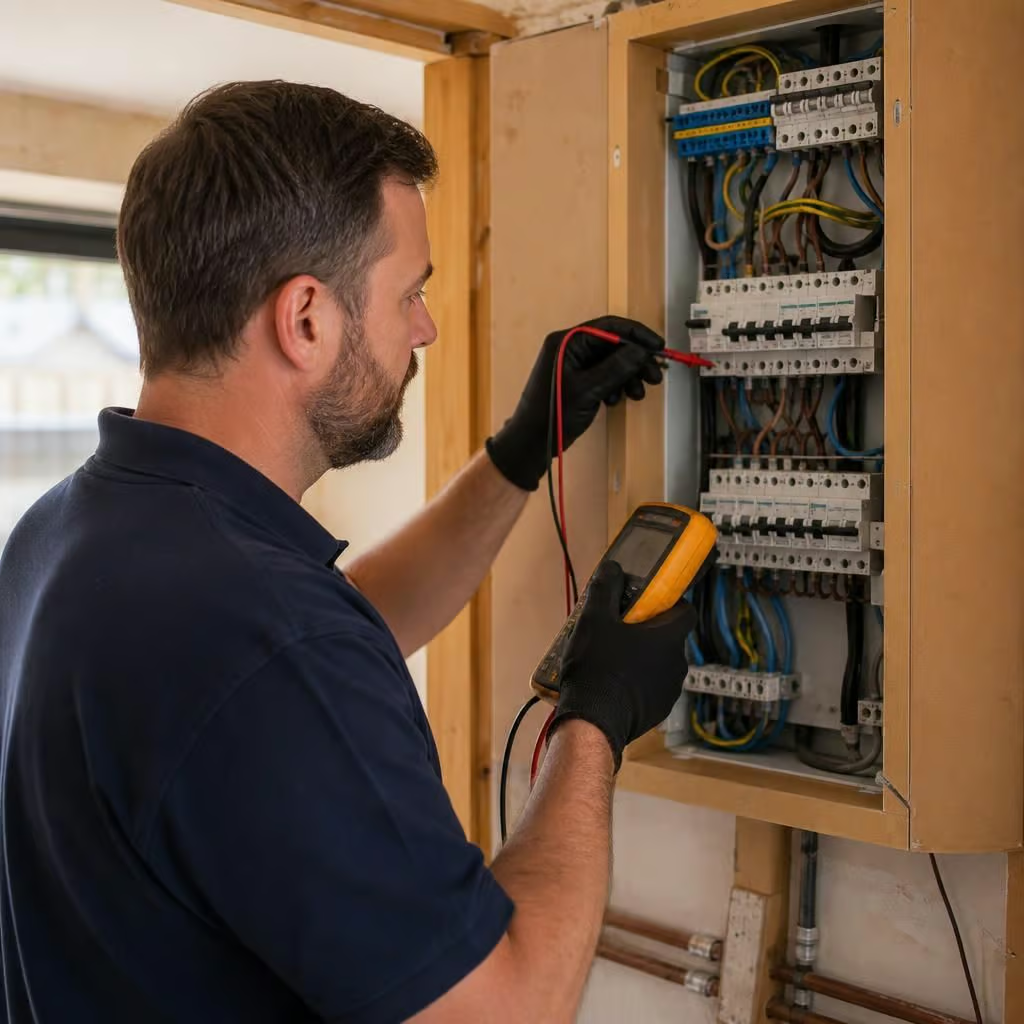
Older properties often contain wiring that has been altered over time, sometimes without records. If the visible installation doesn’t show how a circuit is arranged, we explain what further access or testing is needed before we can confirm the charger design.
That might mean checking connections at the consumer unit, tracing a cable route or inspecting an area hidden behind a panel. We’ll tell you why the check matters and what it could change, so the final quotation is based on the actual installation rather than an assumption.