
Hot Water, Powered by Sunshine
Solar water heating uses sunlight to warm water for your home, reducing the work your boiler does. We assess your roof, hot-water demand and existing cylinder before designing an installation that fits the property and your plans.
A More Efficient Supply of Hot Water
Hot water solar heating can keep the cylinder warm for showers and washing-up, reducing the boiler’s work and fuel use.
Controls show when supplementary heating is needed, while we size the system around household demand, keeping comfort steady. Daily routines stay the same, with renewable heat doing more of the work.
Sunlight Stored for Later
Solar heat can be stored in the cylinder, so useful warmth remains available after the brightest part of the day.
A Practical Fit for the Property
The roof, cylinder and hot-water demand are considered together, so the system works with the home rather than against it.
Less Fuel Used for Hot Water
When the sun provides heat, the boiler does less work, helping reduce the fuel needed for everyday hot water.
Existing Heating Stays in Place
Your current boiler or supplementary heating remains available, keeping hot water dependable when solar heat is limited.
Clearer Control of Energy Use
A system designed around household demand makes it easier to understand when renewable heat is covering hot-water needs.
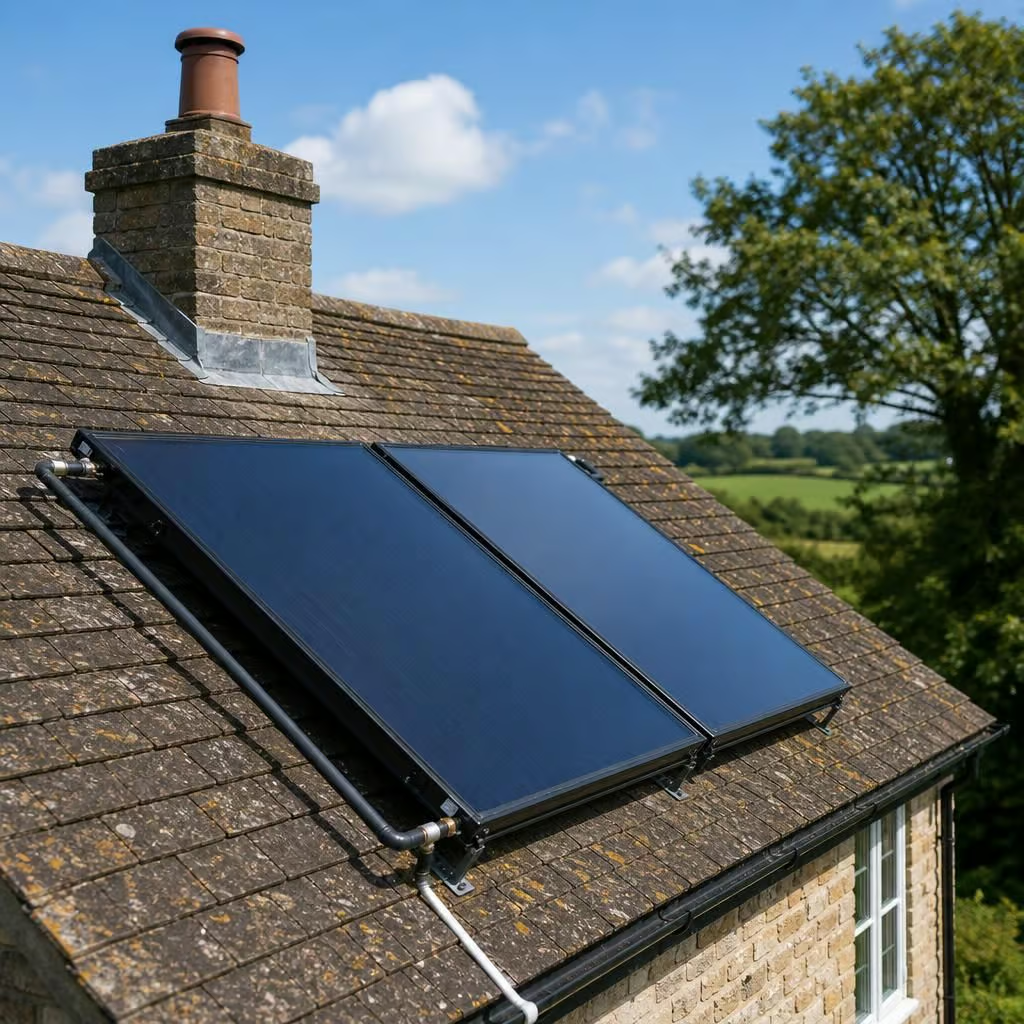
A Simpler Way to Keep Water Hot
An older house can make solar equipment feel like a major alteration. We keep work focused: pipework follows sensible routes, access points remain usable and internal surfaces are protected during fitting. The finished installation sits comfortably within the property, not as an afterthought.
If the cylinder cupboard, loft or roof space is difficult to reach, we resolve those details during planning rather than on installation day. That helps prevent avoidable changes, damage and extra work once the job has started.
When the solar heater for your home is commissioned, we explain what’s installed, what to check and how servicing is arranged. You’re left with clear instructions and a system that can be inspected and maintained without guesswork.
From Solar Ambition to a Hot-Water System That Fits
Perhaps you want to use less oil or LPG, but aren’t sure hot water solar heating suits an older home. We explain its seasonal contribution, where it cannot replace existing heating, and what that means for your decision.
We trace the proposed system through the property, including collector position, cable and pipe routes, cylinder connections and access for future checks. If alterations are needed, we identify them before work starts. If solar water heating is impractical, we say so.
You receive a written quotation covering equipment, preparation and fitting, so you can weigh the likely fuel reduction against the installation cost. The finished system gives you a practical solar heater for your house, with its contribution and limits understood from the outset.
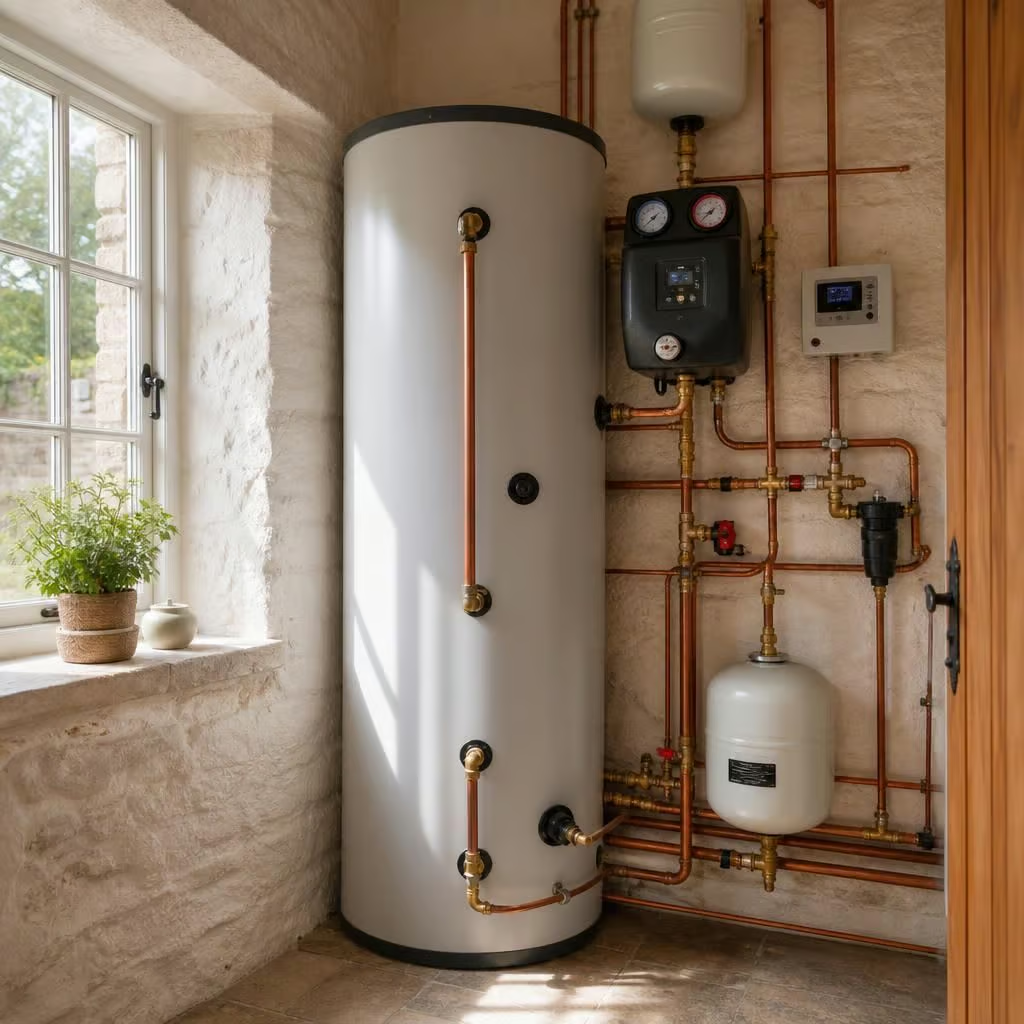
Solar Water Heating in Practice
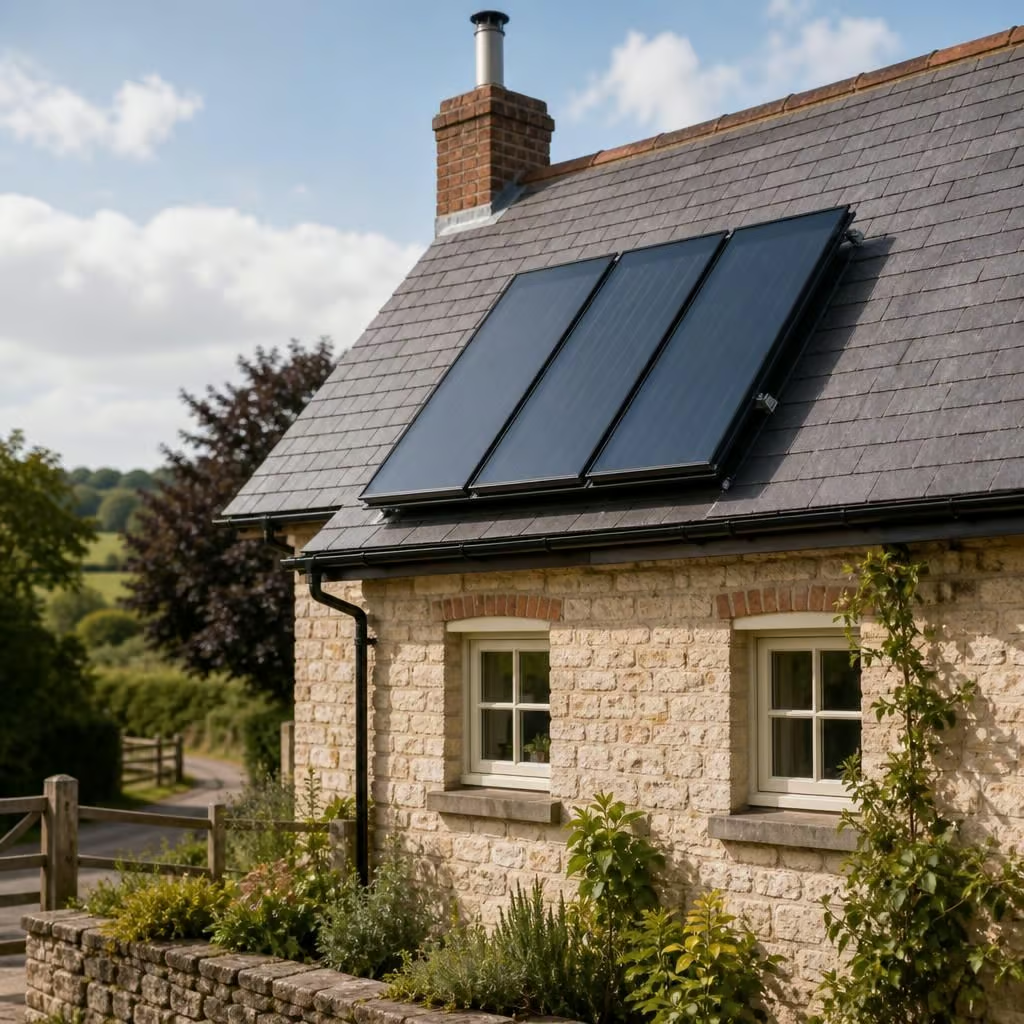
Less Work for an Oil or LPG Boiler
If your home is heated by oil or LPG, solar water heating can take over part of the hot-water demand when sunlight is available. We connect the solar cylinder to the existing heating system, so the boiler remains available when the collectors cannot provide enough heat. You can see how the solar contribution and backup heating work together before deciding.
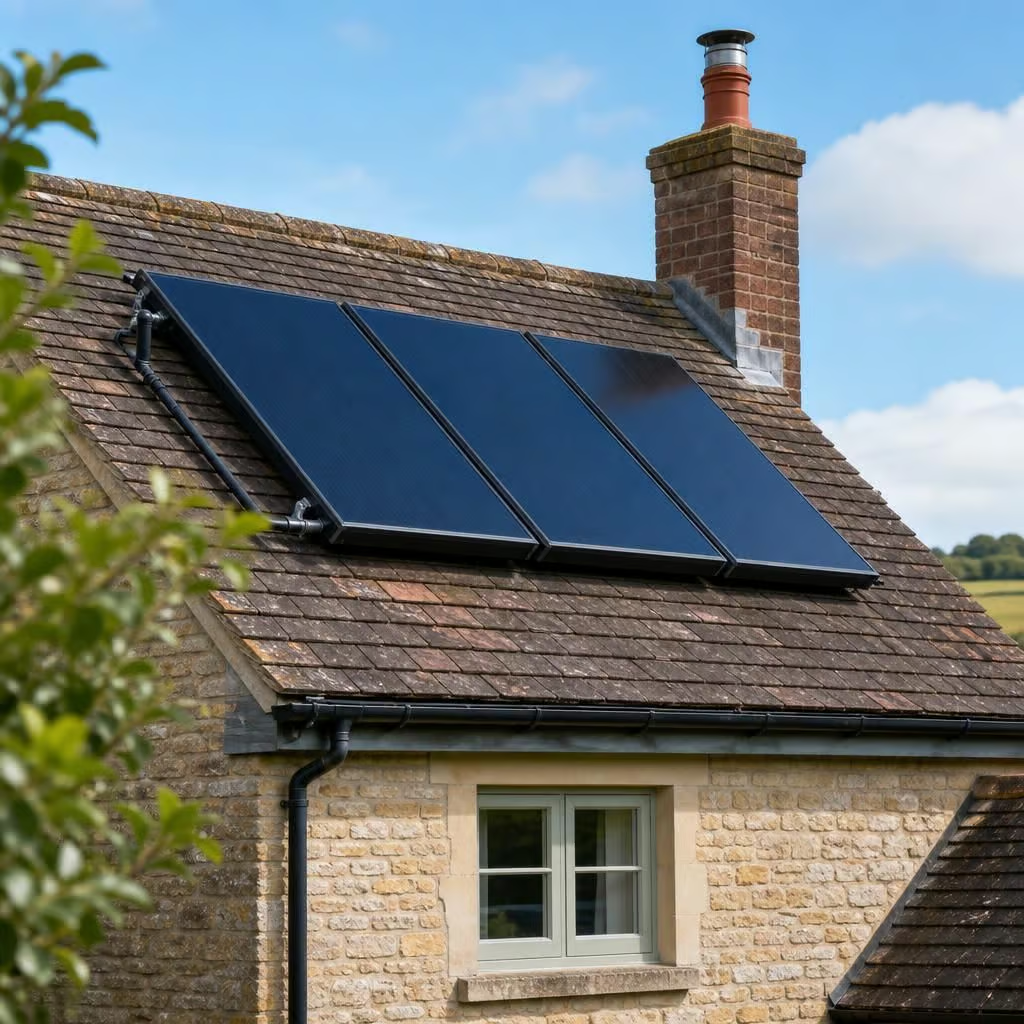
A Clear View of the System
The cylinder, pump station and controls need to work together, not simply fit into the available cupboard. We label the key components and explain which readings show solar gain, cylinder temperature and backup heating. That makes it easier to understand the system without relying on guesswork.
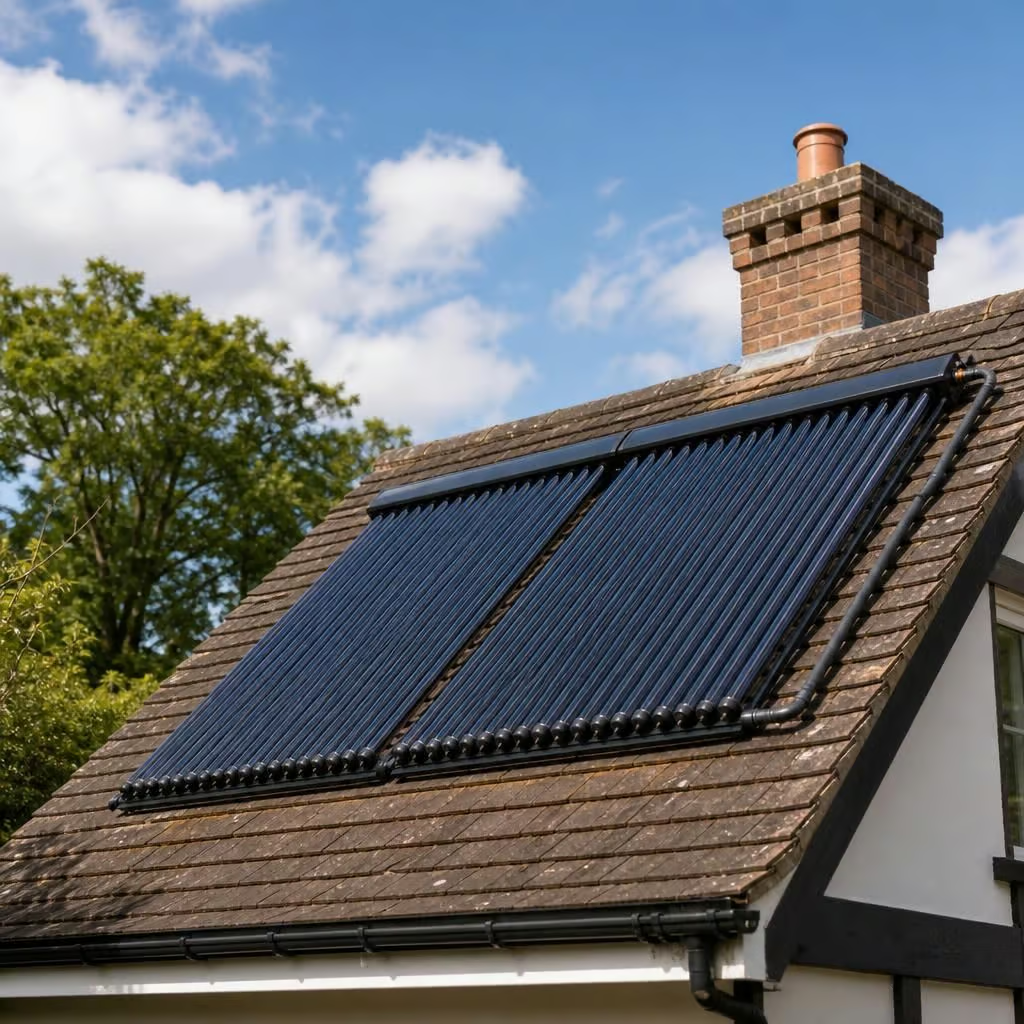
Solar Heating for a Rural Home
An off-gas-grid property can use solar water heating alongside its existing oil or LPG system. We look at the household’s hot-water pattern and the roof’s usable area before recommending the arrangement. The result is a system designed around the home’s actual demand rather than an assumed fuel setup.
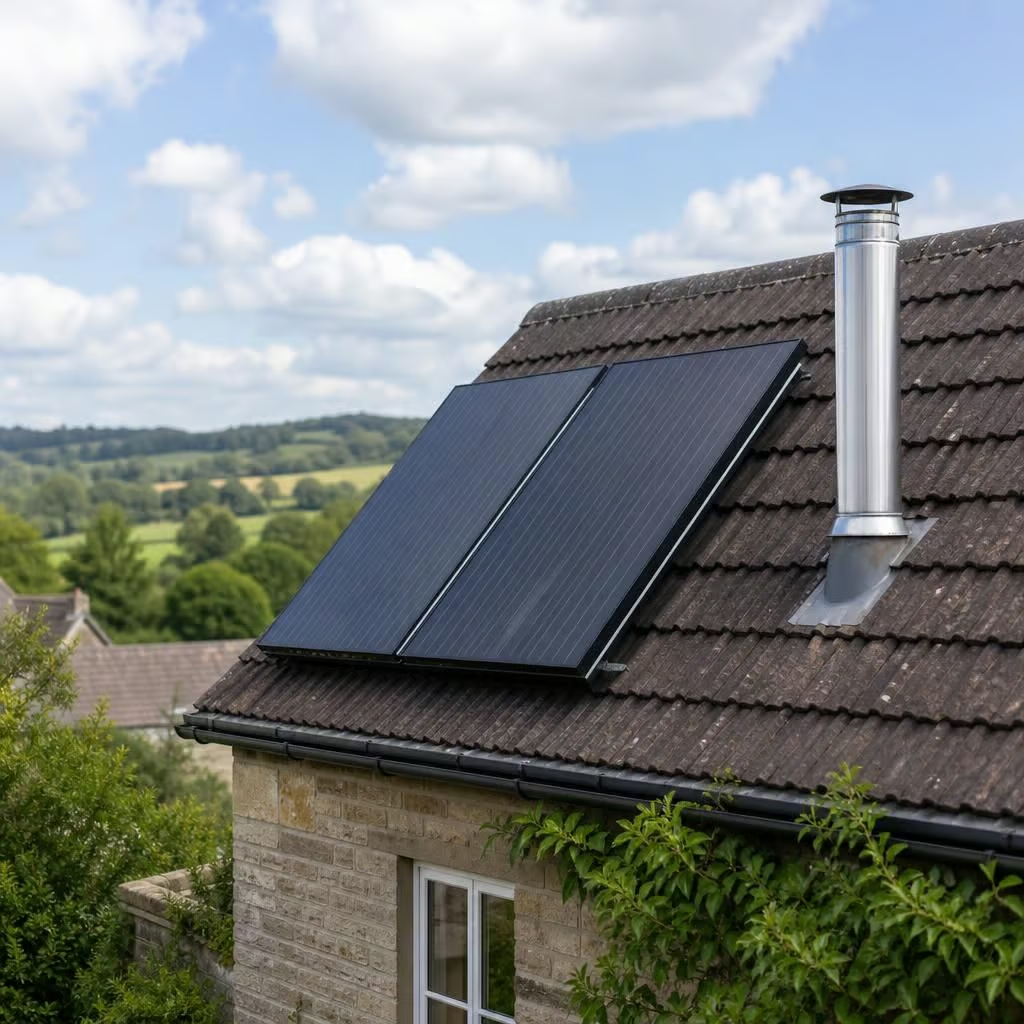
Careful Work in Older Properties
Older homes often have awkward roof spaces, thick walls or limited routes between the collectors and cylinder. We plan the pipework before installation and keep visible alterations to a minimum. Where access is difficult, we explain the practical effect on preparation, fitting and future servicing.
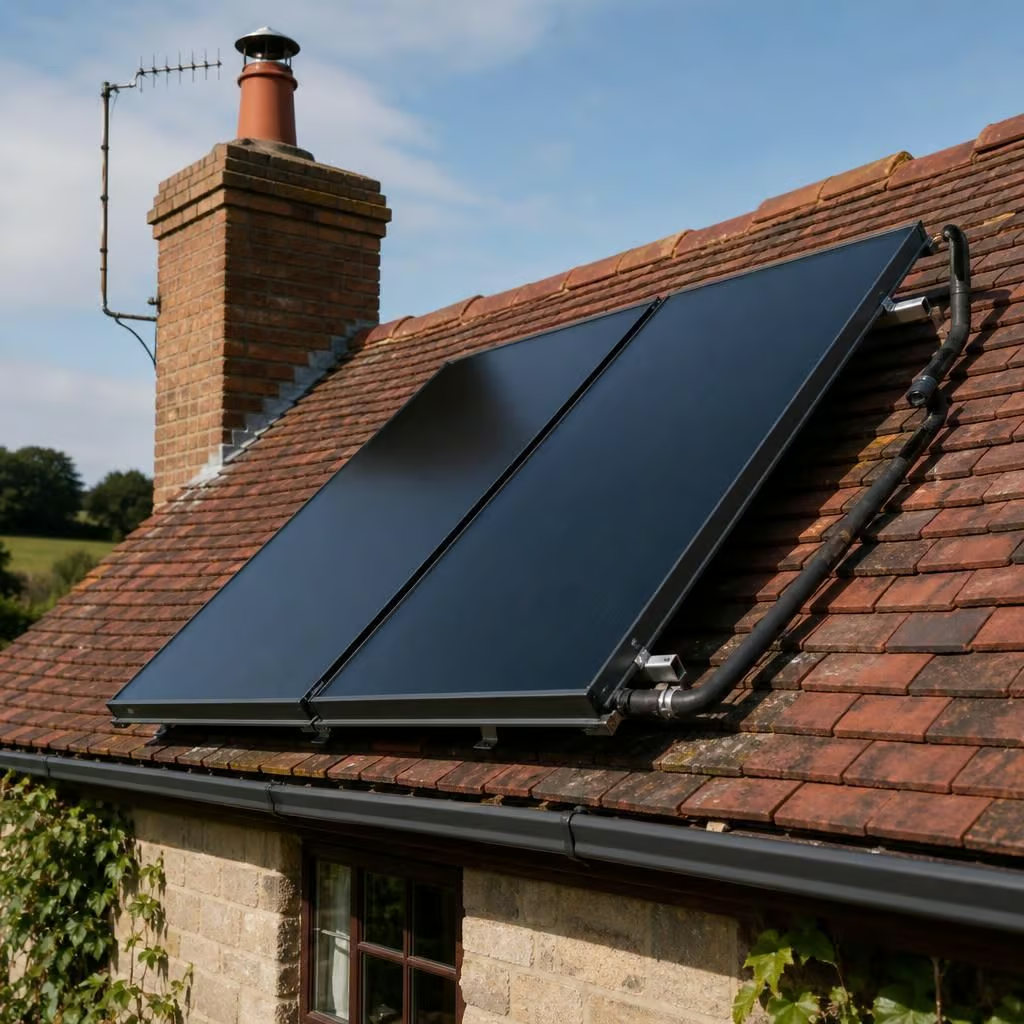
A System That Can Be Serviced Properly
Solar water heating needs more than panels on the roof. The collector circuit, pump, controls, cylinder and backup heat source must all be checked together. Our installation records leave the service engineer with the information needed to trace the system and identify the right component if attention is needed later.
Questions About Solar Water Heating
Is solar water heating suitable for my home?
Solar water heating works best with good roof exposure, while the boiler or immersion supports hot-water demand during cloudy periods. We set controls around household usage patterns and seasonal changes.
How much maintenance does solar water heating need?
Most systems need little day-to-day attention. We recommend periodic servicing to check antifreeze protection, pump operation, valves and controls. This keeps faults visible and helps maintain reliable hot-water production year-round.
How disruptive is solar water heating installation?
Most installations involve limited access to the roof, cylinder and controls rather than major building work. We protect work areas, keep pipe routes tidy and explain any necessary making-good clearly.
What happens if my solar water heating system stops working?
If the system stops producing hot water, we check the controller, pump, collector circuit, cylinder and backup heater. We identify the fault, explain it clearly and recommend the necessary repair.
How much does solar water heating cost?
The price depends on collector access, cylinder capacity, pipework and controls. We assess those requirements before quoting, so you can compare installation costs with expected fuel savings for your home.