
How long does home EV charger installation take?
A straightforward home EV charger installation is often completed during one visit. Longer cable routes, an electrical upgrade or parking away from the house can add preparation and fitting time.
Most of the time is spent making sure the charger can be installed safely before the fitting day. A straightforward installation can then be completed in one visit, while extra electrical work, a longer cable route or groundworks can extend the programme.
Before the installation
We assess the position of the charger, the parking space and the route back to the consumer unit. We also check the meter position, earthing arrangement, available capacity and how the cable can be protected. This tells us whether the proposed location is practical and whether any preparatory work is needed.
Your survey may be based on information and photographs for a simple property, or it may need an engineer to inspect the installation in person. Older homes, detached garages, outbuildings and long drives usually need more careful planning. The aim is to identify the work before the fitting appointment, rather than discover a problem after the charger is on the wall.
What happens on the fitting day
- We confirm the charger position and cable route with you before starting.
- We install the cable, protecting it where it passes through walls or exposed areas.
- We fit the charger and connect it to the appropriate circuit and protective equipment.
- We make any agreed adjustments to the consumer unit or associated wiring.
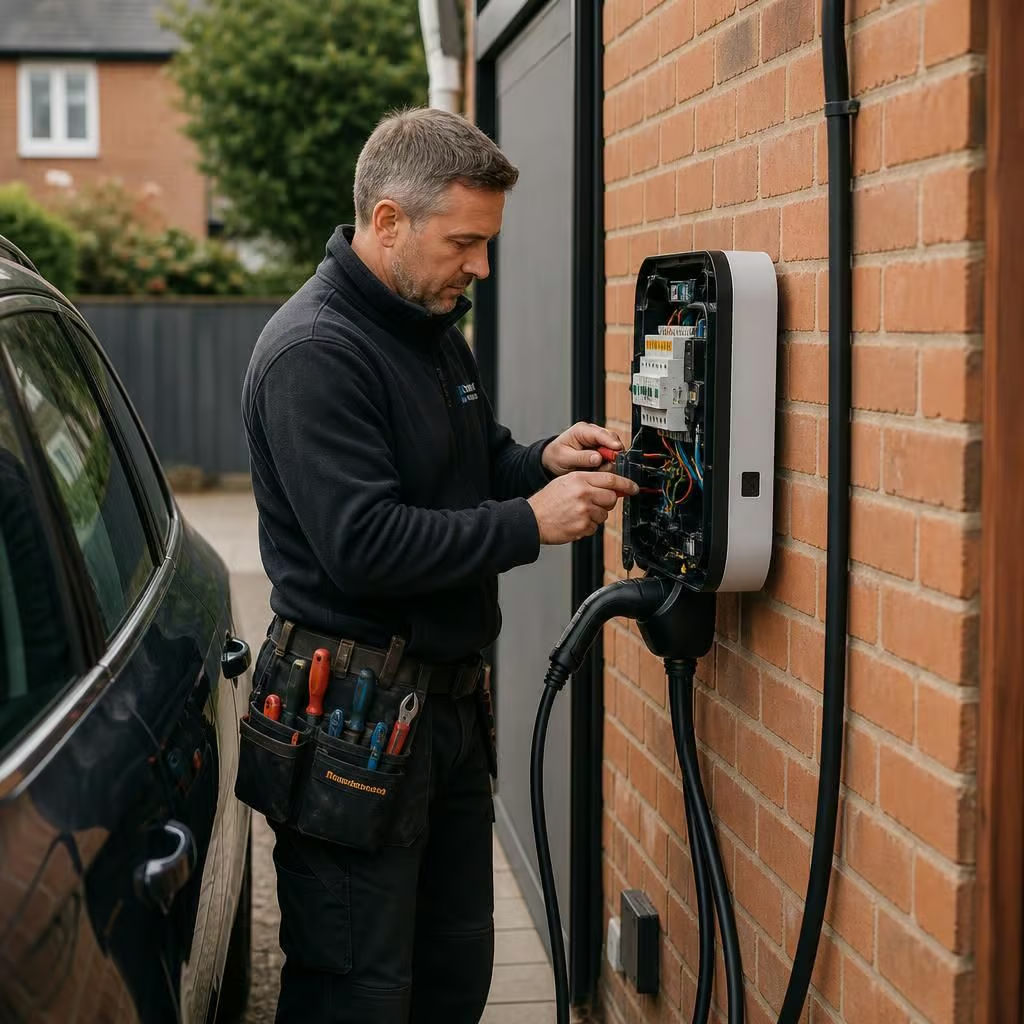
- We test the installation and commission the charger before leaving.
The engineer needs clear access to the consumer unit, the proposed charger position and any route through the property. Furniture, stored items or difficult access can slow the work down. We keep cable routes as discreet as the building allows, but the shortest route is not always the safest or most suitable one.
What can make installation take longer?
- The charger is away from the house: a detached garage, parking area or outbuilding may need a longer cable run, additional protection or trenching.
- The consumer unit needs work: an older board, limited space or unsuitable protective devices may need attention before the charger can be connected.
- The cable route is difficult: solid walls, several floors, external elevations and concealed routes can require more preparation.
- The electrical supply needs further checking: we may need to clarify the available capacity or arrange the appropriate next step before completing the installation.
- The agreed position changes: moving the charger or choosing a different route on the day can alter the work involved.
If the inspection finds an electrical problem, we explain what needs correcting and why. We do not continue with a connection that could leave the charger or the wider installation unsafe. Any additional work is discussed before it goes ahead, with a written quotation rather than an unexpected charge.
Installation is usually less disruptive than work such as a rewire, but drilling and cable installation are still involved. We protect working areas, keep the route tidy and remove the installation waste. If access through a room is unavoidable, we explain this before work starts.
At the end, we check that the charger operates correctly and show you the basic controls. We provide the relevant test and installation paperwork, so you have a record of what was fitted and how it was connected. Our NICEIC-registered electricians carry out the electrical work and test the installation against the applicable requirements.
The most accurate timescale comes from the survey. A charger close to a suitable consumer unit, with a clear route and no remedial work, has a simpler programme than a charger serving a remote parking space or an older electrical installation. We set out the expected work in the quotation so you can see what is included before choosing an installation date.
An older electrical installation does not automatically mean a long installation. We assess the existing circuit, consumer unit and protective equipment rather than judging the property by age alone. If the supply needs attention, we explain the work before booking the fitting appointment.
The charger’s position also affects the programme. A location close to a suitable consumer unit keeps the cable route simpler, while a detached garage or remote parking space may require additional preparation. The quotation sets out what that route involves, so the expected installation time is clear before work begins.