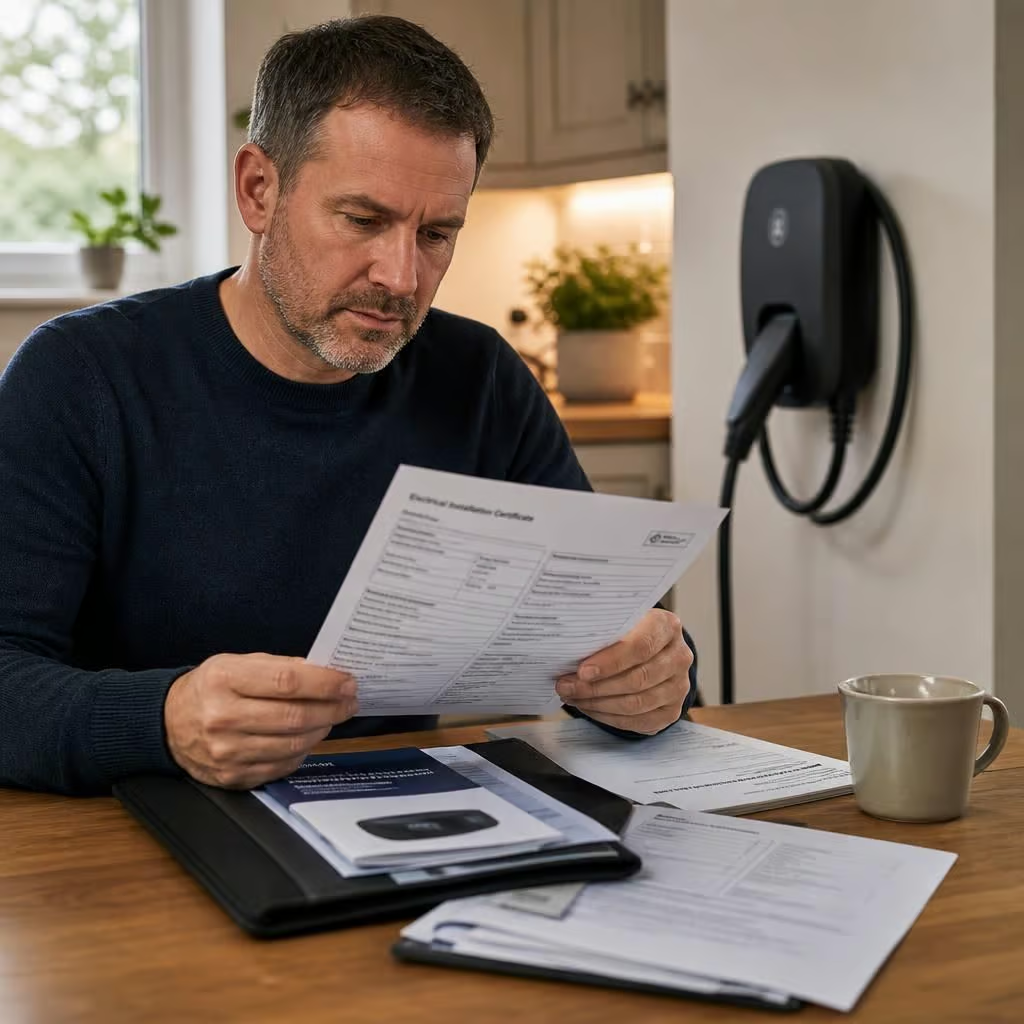
What paperwork will I receive after EV charger installation?
After we install your EV charger, we provide the electrical installation certificate, commissioning information and manufacturer warranty documents. Where applicable, we also provide compliance and network-notification records, giving you a clear file for future servicing or a warranty claim.
After an EV charger installation, the paperwork should show what was fitted, how it was tested and which documents apply to the equipment. Keep the complete handover pack with your household or property records, rather than relying only on the charger app.
The electrical installation certificate records the safety checks. It identifies the installation address, the work covered and the protective equipment used. It also records test results for the new circuit, including checks on continuity, insulation resistance, polarity and the operation of protective devices. These results give a future electrician useful information if the circuit needs investigating or extending.
The certificate also shows who carried out the work and when. Keep it with the property documents if you sell or let the home. A buyer, solicitor, landlord or managing agent may ask for evidence that the dedicated circuit was installed and tested correctly.
The commissioning record describes the charger as left in service. This can include the charger model, serial number, supply arrangement and maximum charging current. Where the installation includes load management, solar integration or scheduled charging, the record can show the settings used at handover.
Those details matter if the charger is reset, replaced or connected to a new account. The serial number also helps identify the equipment when you contact the manufacturer. If the charger uses an app, keep the account details and note which settings control charging schedules, current limits and access.
The manufacturer’s information explains how to use and maintain the charger. This normally includes the operating instructions, safety information, fault indicators and the manufacturer’s warranty terms. Read the sections covering isolation, restarting after a fault and cleaning. Do not remove covers or attempt internal repairs yourself.
The warranty document is separate from the electrical certificate. The certificate confirms the installation was tested; the manufacturer’s terms explain what applies to a fault with the charger itself. Keep the model and serial number alongside those terms, as support teams commonly use them to identify the unit.
Some installations also produce a compliance record for the property. The need for this depends on the work and the property’s circumstances. If a separate record applies, we explain what it covers and where it has been issued or retained. It should sit with the electrical certificate and other home improvement documents.
Your handover information may also include practical details that are not part of the certificate itself. These can include the position of the isolation switch, the route of the new cable, the circuit protection provided and any limitations discussed during the survey. If a future electrician needs to work near the charger or cable, this information helps them avoid guesswork.
Before the engineer leaves, check that you know:
- which switch isolates the charger;
- how to start and stop a charge safely;
- how to recognise a fault indication;
- where the charger’s instructions and warranty details are stored;
- which app, account or tariff settings control smart charging, if those features are being used.
The charger may work perfectly without the paperwork being immediately needed. It becomes important if the unit develops a fault, the electrical installation is altered, the property changes hands or you make a claim under the manufacturer’s terms. Store the documents digitally as well as in paper form, and keep any updated app or account information separate from the certificate.
If the installation later needs an additional socket, a second charger or changes to the supply, show the existing certificate and commissioning information to the electrician. They can then see how the original circuit was designed and what checks were recorded, rather than treating the installation as undocumented.
If the charger is installed at a rented property, keep its installation certificate with the property’s electrical records. It is not a replacement for an EICR, which assesses the wider electrical installation at a later date. The certificate relates specifically to the new charger circuit and the tests completed when we installed it.
Keeping those documents together gives the next electrician a clear starting point. They can identify the charger circuit, protective devices and installation date without opening equipment or relying on incomplete app records.