
Will I receive the electrical certification after installation?
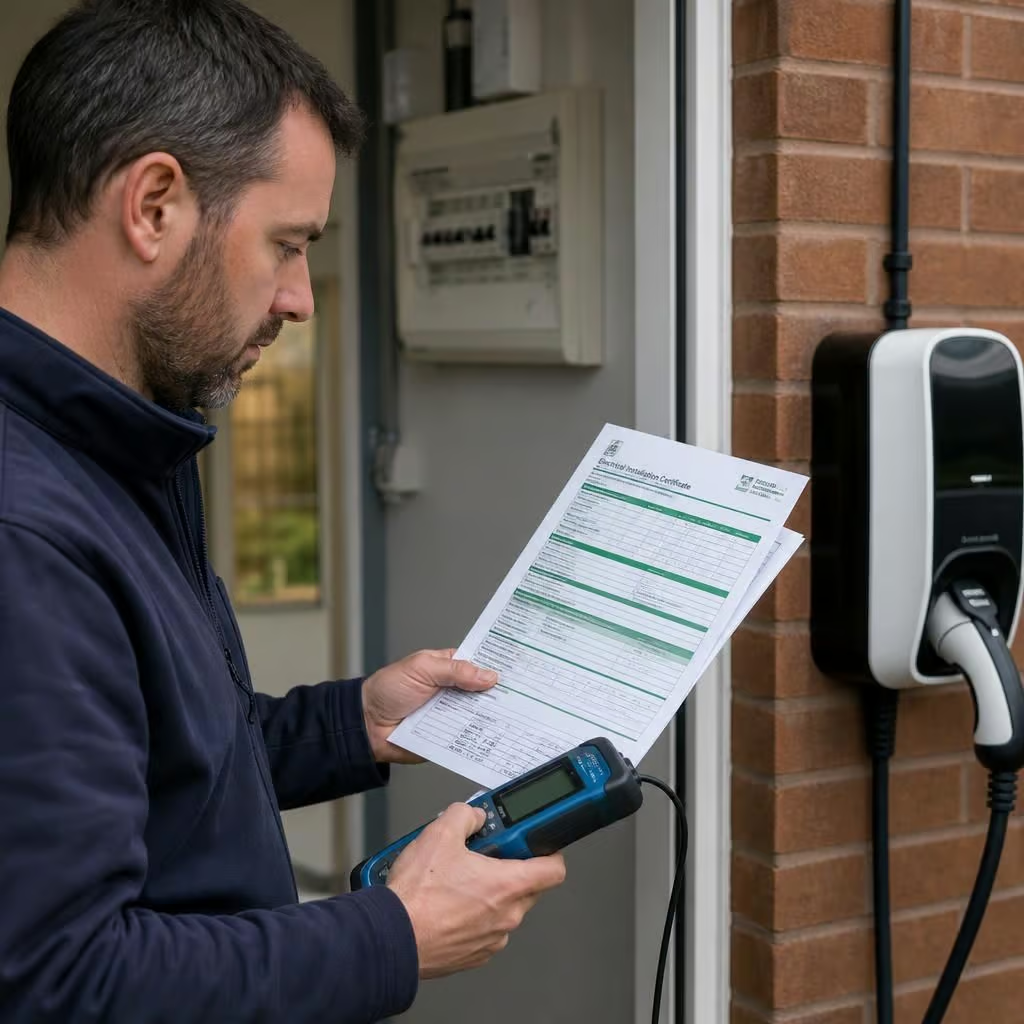
Yes. Once we’ve completed the testing, we’ll provide the electrical installation certificate with the installation records, confirming that the EV charger and its wiring have been checked against the relevant requirements.
The certificate for an EV charger installation is issued once the installation has been completed and the required tests have passed. For most home charge points, this is an Electrical Installation Certificate (EIC), supported by schedules showing the inspection and test results.
The exact certificate depends on the work carried out. A new dedicated circuit, protective device or consumer unit alteration normally requires an EIC. A Minor Electrical Installation Works Certificate may apply only where the work is genuinely minor and does not involve a new circuit. We confirm which document covers the installation rather than leaving you to interpret the paperwork.
Your certificate records the electrical work that was installed, including details such as:
- the circuit supplying the charger;
- the cable size and installation method;
- the protective devices and earthing arrangement;
- the EV charging protection provided;
- the inspection checks completed; and
- the test results for continuity, insulation resistance, polarity, earth fault loop impedance and residual current protection.
These results show that the new electrical work was checked against the requirements applying to the installation. They also give another electrician useful information if the circuit needs alteration or investigation later.
The certificate is not the same as an Electrical Installation Condition Report (EICR). An EICR assesses the condition of an existing electrical installation at a later date. The EIC records the new work completed for the charger. It does not replace a periodic inspection of the wider installation where one is due.
If the charger installation requires Building Regulations notification, that confirmation is separate from the electrical certificate. We explain how the notification is handled and provide the relevant record. This distinction matters when you are keeping documents for a property sale, a tenancy file or future electrical work.
Our NICEIC- and ECA-registered electrical team tests the circuit before handing over the installation certificate. If testing identifies a fault or an issue with the existing supply, we explain what needs correcting before the paperwork is completed. That prevents a certificate from giving a misleading impression of work that has not been fully tested.
Keep the certificate and test schedules with the charger instructions and other property documents. If you sell the home, let it, or ask for further electrical work, the records help show what was installed and how it was tested. They should not be treated as evidence that the charger or the rest of the home’s wiring will never need inspection or maintenance.
The certificate should match the installation that was carried out, including the property address, the charger circuit and the test results. If any detail looks wrong, raise it with the installer before filing the document away.
If the charger is installed at a rented property, keep a copy with the tenancy records. A future electrician can then see what circuit and protection were provided without having to investigate the installation from scratch.
Ask us about your electrical certification
If you’re planning a home EV charger, ask us what certification the proposed electrical work will require and how it will be provided. We’ll include the paperwork in the written quotation, so you can compare the complete installation rather than just the charger price.