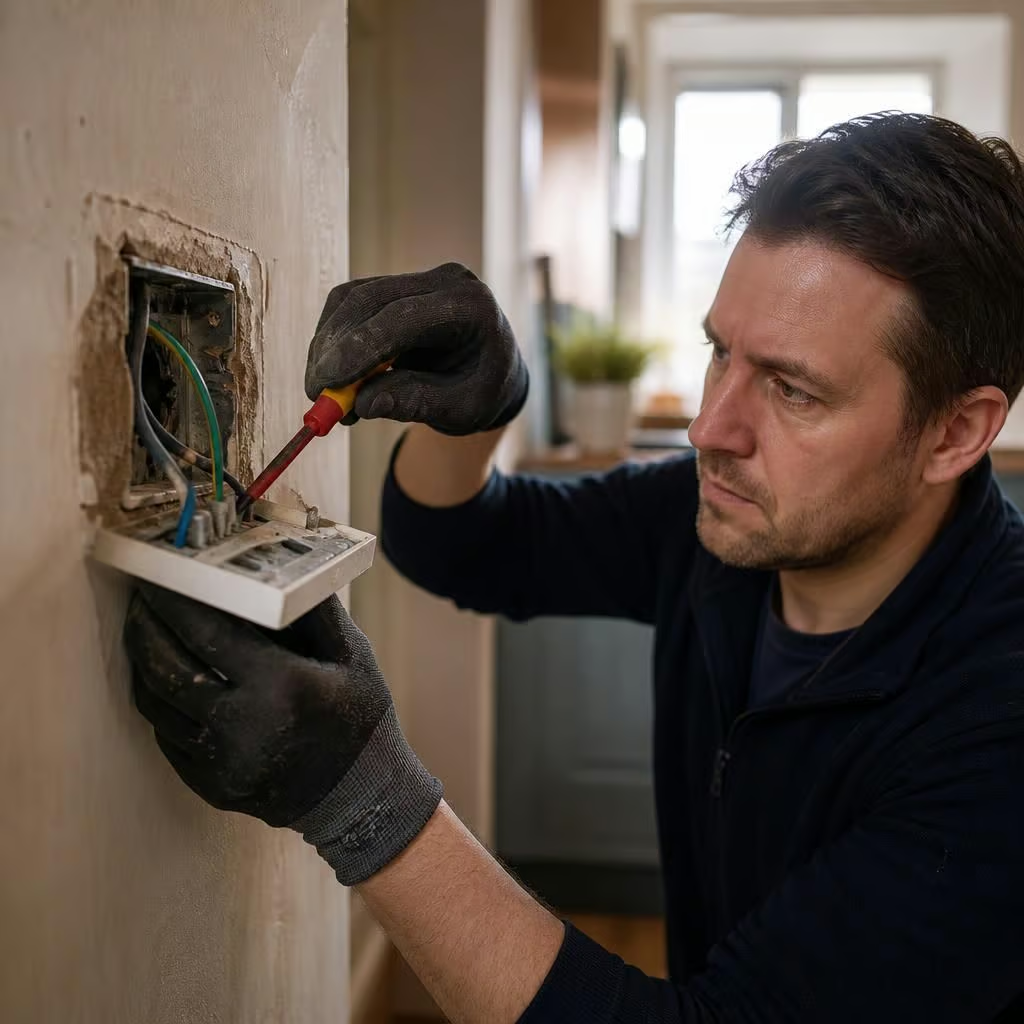
Will an emergency electrician need to replace damaged wiring?
Not always. We first make the circuit safe and inspect the damage; if a local repair is suitable, we replace only the affected wiring, but heat damage, melted insulation or unsafe older cable may mean replacing a larger section.
The extent of the work depends on where the fault is, how the cable has been damaged and what testing shows about the rest of the circuit. A single damaged section can often be repaired. A circuit with heat damage, failed insulation or several unsafe alterations may need more extensive replacement.
Common causes include a loose connection that has overheated, water entering an accessory, a nail or screw piercing a cable, rodent damage, or an appliance fault that has affected the wiring. Charring, melted insulation, a burning smell, scorch marks, buzzing or repeated tripping all need attention. Damage hidden behind a socket or within a wall should not be covered up and put back into service without testing.
If the fault is active, switch off the affected circuit at the consumer unit if you can do so safely. Don’t touch exposed copper, damaged accessories or wet electrical equipment. If there is smoke or a fire, leave the property and call the emergency services. Don’t use water on an electrical fire.
When we attend, we start by making the area safe. We identify which circuit is involved, inspect the visible wiring and accessories, and carry out electrical tests with the circuit isolated. Those tests help show whether the problem is confined to one point or whether the cable has suffered damage along its route.
A limited repair may involve replacing a length of cable, a socket, a switch, a connection or a damaged protective enclosure. We use the correct cable size and protection for the circuit, secure the cable against further damage and check the finished work before restoring the supply. Any connection that remains in place must be suitably enclosed and accessible for future inspection.
Replacement becomes more likely when the insulation has broken down, the copper has overheated, water has travelled along the cable, or the route contains several damaged sections. We may also recommend replacing more of the circuit where previous alterations have left unsafe connections, inadequate protection or wiring that cannot be tested reliably.
A full rewire is not an automatic response to one failed socket or cable. It is normally considered when faults affect several circuits, when testing finds widespread deterioration, or when the existing installation cannot safely support the property’s use. Older homes can contain a mixture of wiring from different periods, so we assess the actual condition rather than assuming the whole installation needs replacing.
If a larger repair is needed, we explain which parts are unsafe, what can remain, and what work is necessary. You receive a written quotation before planned work starts, with the likely access requirements and any areas that may need lifting or making good. This lets you decide between an immediate safe repair and a properly planned replacement where the installation allows that choice.
Emergency work does not always mean completing a full rewire during the first visit. If the property can be left safe with an isolated circuit or temporary repair, we explain any restrictions on using the affected equipment and set out the next stage. If the damage presents an immediate risk, the affected supply may need to remain disconnected until the permanent work is complete.
Once the work is finished, we test the repaired circuit and explain what was changed. Where the work requires certification, we provide the relevant electrical paperwork so you have a clear record for future maintenance, insurance or a property sale.
If a cable has been pierced during DIY work, replacing the visible damage may not be enough. Once the circuit is isolated, we trace the affected route and check whether the cable has been crushed or damaged elsewhere. We then recommend a safer route or suitable protection, so the same work does not cause another fault.
This matters in older homes, where cables may not follow modern routes or may be hidden behind later alterations. The repair should leave the wiring protected from fixings, moisture and movement, not simply hide the damaged point behind a socket or wall finish.