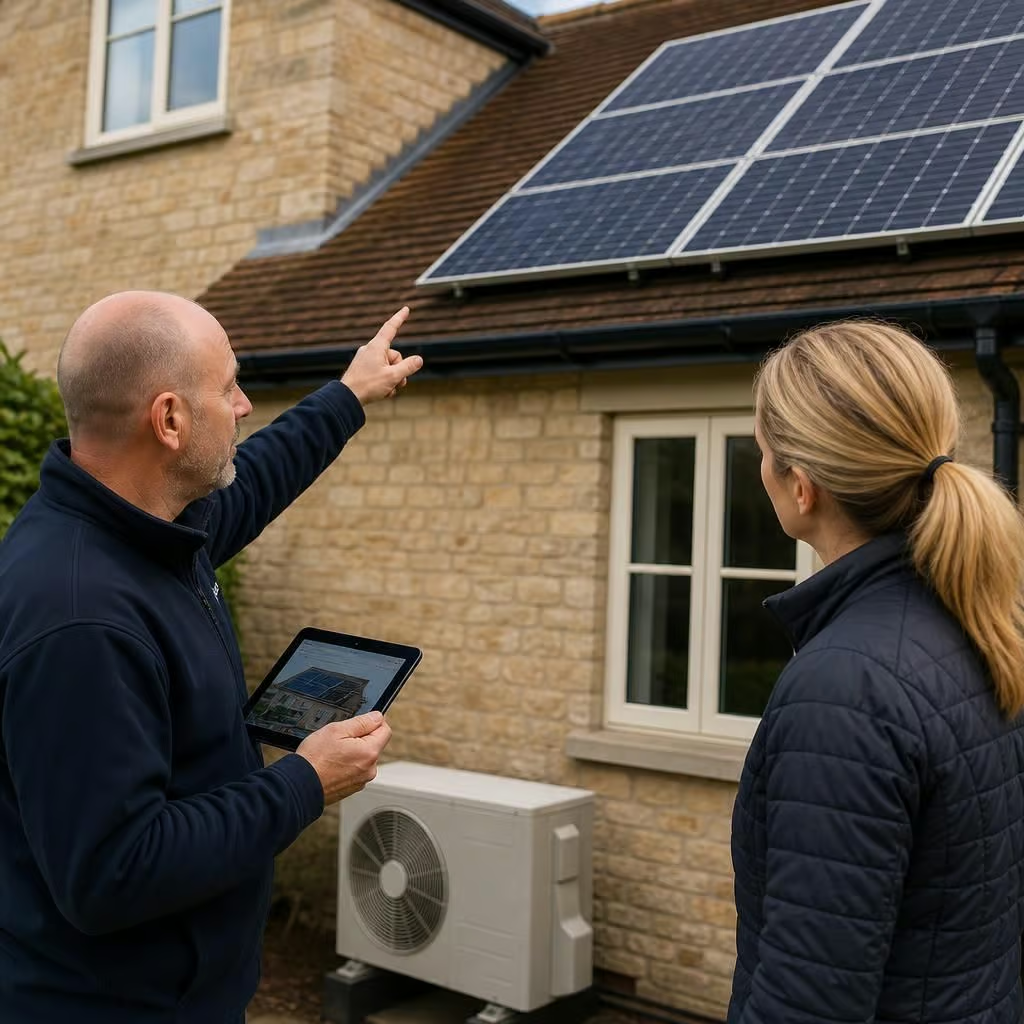
How will you assess whether my home is suitable for renewable energy?
We assess your home’s insulation, roof space, electrical system, heating and energy use to see which renewable technologies are practical. We then explain any upgrades, planning considerations and likely costs before you decide whether to proceed.
The right renewable system is determined by how your home uses energy, not by roof space alone. We assess the building, existing heating, electrical installation, available equipment locations and likely planning constraints before recommending an option.
We start with the building. A heat pump works best when the home can hold heat effectively. We look at wall, roof and floor construction, glazing, draughts and insulation. Older solid-wall houses, barn conversions and listed properties need a more careful assessment because improving insulation may be more practical than increasing the system size.
If the building loses heat quickly, we explain what needs attention before installation. That might include insulation, draught reduction or changes to the way rooms are heated. This helps prevent an oversized heat pump or a solar system being judged against a level of demand the property could have avoided.
We establish how much energy the home actually needs. We use the property’s size, construction and heating requirements to estimate its heat demand. Past fuel use can help, but we do not treat an old oil or LPG bill as a complete answer. It may include hot water, cooking or periods when rooms were heated differently.
The result affects the size of an air source heat pump, the cylinder, the radiators and the electrical supply. For solar panels and batteries, we consider electricity use during the day and evening rather than relying only on annual consumption. That gives you a more realistic view of what the system could do for the home.
We check whether the roof is suitable for solar. Roof direction, pitch, usable area, shading and roof condition all matter. Chimneys, roof windows, dormers and trees can reduce the useful panel area. We also check how the panels could be reached safely and where cabling could run into the building.
A roof may have enough space but still need work before panels are fitted. If its covering or supporting structure needs attention, completing that work first avoids removing a new installation later. On a listed or sensitive property, we also consider how visible the panels would be and whether planning consent may be needed.
We assess the electrical installation before connecting new equipment. Solar panels, batteries, heat pumps and EV chargers place different demands on the wiring and consumer unit. We check the incoming supply, earthing, protective devices, cable routes and the condition of the existing installation.
An older consumer unit or an electrical fault does not automatically rule out renewable energy. It may mean that an upgrade is needed first. We explain the work clearly, including where cables and isolators will be installed, so the electrical changes do not come as an unexpected part of the job.
We look at where the equipment can go. An air source heat pump needs a suitable external position with adequate airflow and sensible access for maintenance. We consider noise, nearby windows, boundaries, drainage and the route for heating and electrical connections. A cylinder, buffer vessel, inverter or battery also needs a dry, accessible location with enough clearance.
In a smaller home, the available space may influence the design more than the garden does. We check whether an existing airing cupboard, utility room, plant room or garage can accommodate the equipment. We do not assume that a boiler cupboard can simply be reused without checking its dimensions and ventilation requirements.
We examine the existing heating system. Your radiators may have been selected for a gas, oil or LPG boiler running at higher temperatures. A heat pump normally works more efficiently at lower flow temperatures, so we check radiator sizes, pipework, controls and hot-water arrangements.
Some radiators may be suitable and others may need replacing. Pipework can also affect performance, particularly in older properties with long runs or restricted flow. We set out the changes required rather than treating the heat pump as a direct boiler replacement.
Properties off the gas grid need particular care. We consider the existing oil or LPG system, fuel storage, hot-water provision and the practical effect of changing the main heat source. Keeping part of an existing system may be appropriate in some homes, while another property may need a fuller redesign.
We check the likely planning and connection requirements. The position of an external unit, solar panels or a battery may be affected by the building’s designation, its setting or local planning rules. Listed buildings and properties in conservation areas need an earlier planning check, not an assumption that standard permitted development rules will apply.
We also consider the requirements for connecting generation or storage to the electricity network. The available supply and proposed equipment determine what notifications or approvals may be needed. We identify these points before installation so that the design does not depend on an unconfirmed connection.
We test whether the system fits the way you live. A battery may be useful where electricity is generated at times when the home uses little power. An EV charger changes the household’s electricity demand, while an electric heating system can alter when power is used. We discuss normal occupancy, hot-water habits, planned vehicle charging and any future changes you already know about.
That information helps us compare solar alone with solar and storage, or a heat pump with other improvements. We work through the likely running pattern for your property rather than presenting a standard package. We can also explain how export payments may apply to an eligible MCS-certified installation, with the current tariff checked at the time.
We discuss grants without assuming that every home qualifies. For a heat pump, we check the property and system requirements relevant to the Boiler Upgrade Scheme. An MCS-certified installer can make the application on your behalf where the installation meets the scheme rules. Eligibility can change, so we confirm the current position before relying on grant funding in the budget.
We finish by identifying what is suitable, what is not, and what comes first. You may need preparation work before installing renewable equipment, or a staged plan may make more sense than doing everything at once. In some cases, the roof, electrical supply, planning position or heating demand makes a particular option impractical.
Our recommendation sets out the equipment, associated changes and installation considerations for the property. We provide a written quotation before work starts, so the scope and price are clear. If the assessment shows that renewable energy is not the right choice yet, we explain why and identify the changes that would need to happen first.
For solar, batteries and heat pumps, our MCS certification means an eligible installation can be considered for the relevant grant or export arrangements. The assessment remains property-led: the aim is to help you choose equipment that works with the building, the existing systems and the way you use them.
A renewable system can be technically possible without being the right investment for the home. If the recommendation depends on assumptions, we show them clearly. We separate measured details, such as roof area or radiator sizes, from estimates based on occupancy, fuel use and future electricity demand.
That distinction helps you judge the result properly. The assessment can show whether the equipment will fit, what preparation it needs and which parts of the design remain uncertain. You can then compare the practical work with the likely use of the system before deciding whether to proceed.