
Is this heating system suitable for my home?
The right heating system depends on your home’s heat loss, insulation, radiators, hot-water demand, fuel supply and available space. We assess those factors before recommending repair, replacement or renewable heating, including practical upgrades needed for an older or off-gas-grid property.
The right heating choice depends on how the house loses heat, how you use hot water, and what fuel and equipment the property can support. A survey separates a system that looks suitable on paper from one that will heat every room properly without creating avoidable running costs or alteration work.
Room temperatures and heat loss matter more than floor area alone. Two houses of the same size can need very different systems. A solid-wall cottage, a modern insulated home and a barn conversion will lose heat in different ways. We look at room dimensions, windows, external walls, roof construction and ventilation. We then calculate the heating requirement for individual rooms rather than choosing equipment from the property’s total floor area.
That calculation affects the boiler, heat pump, radiators and controls. An oversized boiler may cycle more often than necessary. An undersized heat pump may struggle to maintain temperature in cold weather. Correct sizing gives the system enough capacity without paying for equipment the property does not need.
The heat emitters must suit the system temperature. A boiler can usually supply hotter water to conventional radiators. An air source heat pump normally works more efficiently at a lower flow temperature. Existing radiators may therefore need to be larger, and some rooms may need additional emitters. We check radiator outputs, pipe sizes, valve positions and circulation before recommending a heat pump.
Underfloor heating can work well with lower-temperature heating, but installing it is a different project in an existing home. We consider floor construction, insulation, finished floor levels and access before suggesting it. Keeping suitable radiators may be more practical than lifting floors throughout the property.
Your current fuel and the local infrastructure also narrow the choices. A gas boiler may remain practical where there is a suitable gas supply and flue route. An oil or LPG system can be appropriate for an off-gas-grid home, provided the tank, fuel pipework, flue and appliance meet current requirements. OFTEC registration matters when we work on an oil-fired system because it covers the competence needed for that installation.
An electrical heating system may suit a well-insulated home, an extension, a property with limited pipework or a room that needs independent control. Direct electric heaters and an air source heat pump are not interchangeable. We compare the available electrical supply, heat demand, controls and hot-water arrangements before treating either as the right answer.
An air source heat pump can suit an older house, but the whole installation must be considered. We check whether insulation improvements are sensible, whether the radiators can deliver enough heat, where the outdoor unit could sit, and how the system will produce hot water. We also consider noise, access, condensate drainage and the position of internal equipment. A listed building or property in a sensitive location may need additional planning checks.
Some older properties need improvements before a heat pump is installed. That does not automatically rule out the technology. It may mean changing selected radiators, improving draught control, altering pipework or choosing a suitable cylinder. If the required work would be disproportionate, we explain that rather than presenting the heat pump as a universal answer.
Hot water demand can change the recommendation. A household with several bathrooms or high simultaneous demand may need a hot-water cylinder and enough space for it. A combi boiler may suit a smaller demand pattern, but its performance depends on incoming water flow and pressure. We check those limits before recommending a replacement, particularly where the existing arrangement has been providing inconsistent hot water.
The electrical supply is part of the assessment too. A heat pump, immersion heater, electric heating system, battery or EV charger can increase demand on the consumer unit and incoming supply. We check the existing electrical installation and identify any upgrade work before the heating equipment is specified. That prevents a heating recommendation from creating a separate electrical problem.
Controls should match how the home is occupied. Separate zones, room thermostats, weather compensation and timed hot-water controls can all affect how the system behaves. We consider rooms that are rarely used, underfloor heating zones, home-working patterns and the position of the thermostat. A control system that does not reflect the household’s routine can make a technically suitable system feel unsuitable in daily use.
Running costs need to be compared for the actual property, not copied from a typical home. We use the calculated heat demand, the proposed system, fuel prices and expected hot-water use to explain the likely cost differences. The comparison also includes installation work, maintenance and any changes needed to radiators, pipework, insulation or electrical capacity.
Grant funding can affect the choice, but it should not decide the choice by itself. Where a heat pump is suitable, MCS certification allows us to make a Boiler Upgrade Scheme application on the homeowner’s behalf. It also makes an eligible renewable installation suitable for the Smart Export Guarantee. We check the current rules and explain which parts of the proposed work qualify before the quotation is finalised.
We finish with a written recommendation rather than a standard package. It sets out the proposed equipment, required alterations, control arrangement, expected disruption and total price before work starts. If the existing system remains the most sensible option, we say so. If the property needs preparatory work first, that appears in the recommendation instead of being discovered after installation has begun.
For gas work, Gas Safe registration is the legal requirement for anyone working on the gas boiler. For oil-fired heating, OFTEC registration covers the appliance work. Those records, together with the installation paperwork relevant to the system selected, give you evidence of what was installed and how it was commissioned.
A suitable heating system should fit the building, the fuel available, the hot-water demand and the way the household uses each room. The assessment is what shows whether that means retaining and improving the existing arrangement, replacing a boiler, changing to electric heating or moving to an air source heat pump.
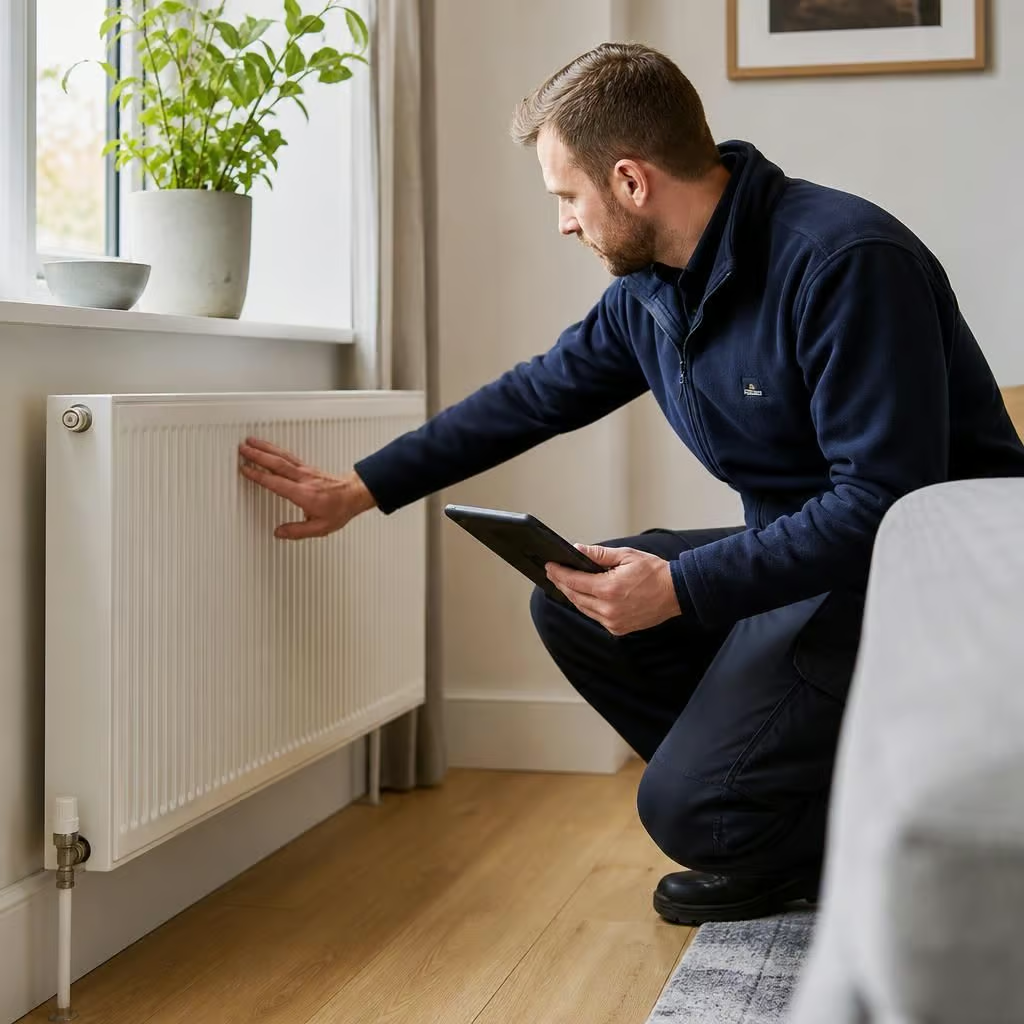
Your heating needs may change after the installation. A home office, loft conversion, new extension or improved insulation can alter how much heat each room needs.
Tell us about planned building work during the assessment. We can consider future radiator positions, pipe routes, electrical capacity and control zones before equipment is chosen. That helps prevent a system that suits the house today but limits later changes.
If the property has been partly renovated, we also compare the warmer and colder rooms rather than treating the whole house as one heat demand. The recommendation can then distinguish between work needed now and improvements that can wait.