
What testing will my domestic electrical repair include?
Testing usually includes fault-finding checks, inspection of the affected circuit and electrical safety tests. We then test the repair, explain what we found and provide any certification required for the work.
The testing depends on the fault and the repair, but we normally check the affected circuit before work, prove the fault, and test the circuit again afterwards. That tells us whether the repair has corrected the cause rather than only restored power temporarily.
We start with the symptoms. A tripping circuit, flickering light, dead socket or burning smell can point to different problems. We ask what happened, which equipment was in use and whether the fault affects one room or several circuits. This helps us test the right part of the installation instead of replacing components without finding the cause.
A visual inspection follows. We look for loose or damaged accessories, scorch marks, water damage, exposed conductors, poor connections and signs of overheating. We also check the consumer unit, protective devices and any accessible junction boxes connected with the fault. On older installations, the condition of the wiring and earthing arrangements can affect which repair is safe.
Some tests are carried out with the circuit isolated. After switching off the relevant supply, we use test instruments to check continuity through the circuit and its protective conductors. We can also carry out insulation resistance testing, which looks for deterioration or unwanted leakage between conductors. These tests may involve disconnecting sensitive equipment first, because test voltages can damage some electronic devices.
We prove that the circuit is safe to energise. Once the dead tests are satisfactory, we check the supply, polarity and earthing arrangements. Earth fault loop impedance testing helps confirm that the protective device can disconnect the supply if a fault puts dangerous voltage onto exposed metalwork. We may also test the RCD or RCBO, where fitted, to check that it trips as intended.
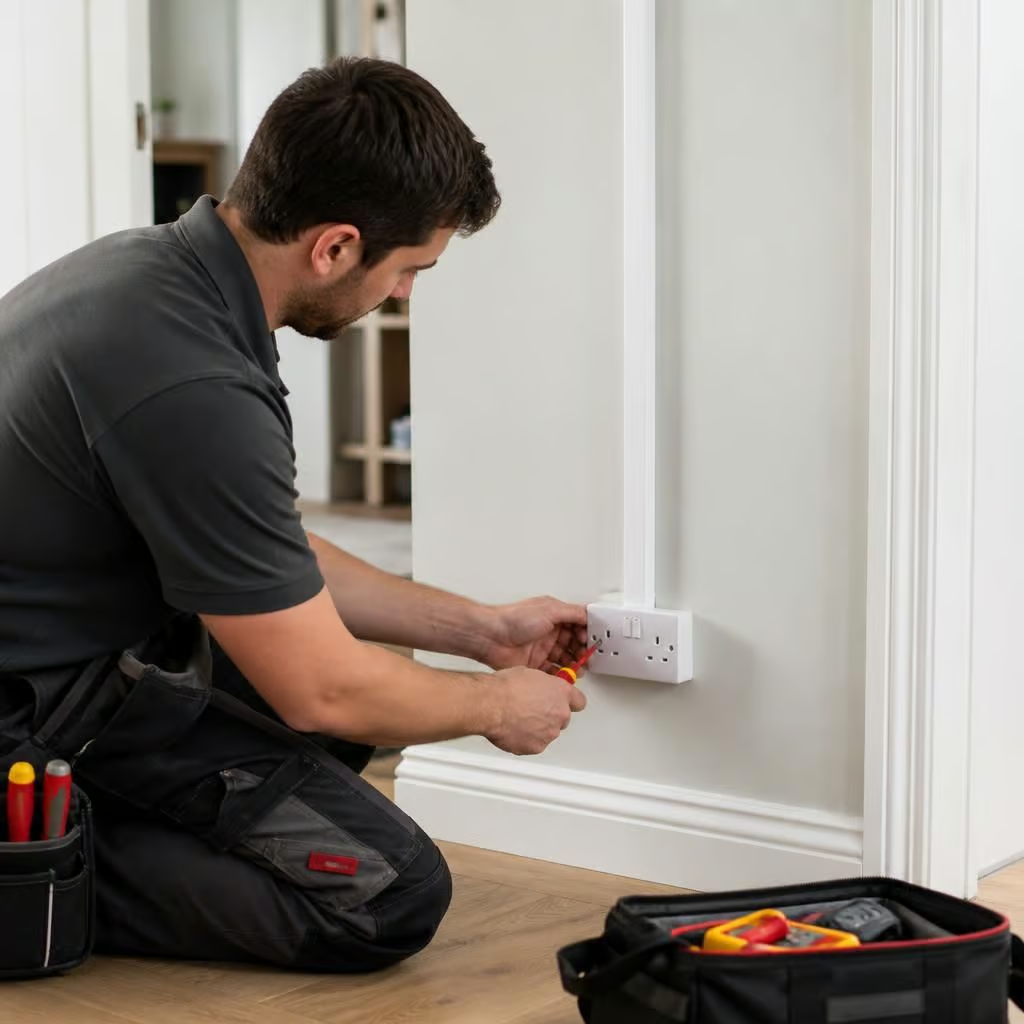
If the fault involves a socket, switch, light fitting or connection, we test that accessory and the wiring around it. A loose termination may explain a warm socket, while a damaged cable or faulty appliance may explain repeated tripping. We separate the fixed wiring from plug-in equipment where necessary, so you know whether the problem is in the installation or an appliance.
Intermittent faults need a slightly different approach. If the fault has stopped before we arrive, the test results may be normal at that moment. We inspect likely connections and protective devices, look for heat or moisture damage and use the information about when the fault occurs to narrow the search. We won’t describe a circuit as repaired simply because a reset has restored power.
Some testing requires power to be switched off, so lights, sockets or other equipment may be unavailable during part of the visit. We explain what needs to be isolated before starting. We only open accessories or access wiring where that is necessary for the repair, and we leave the installation safe and tidy afterwards.
After the repair, we repeat the relevant tests. We check that the repaired connection is secure, the protective conductor remains continuous and the circuit still meets the required electrical values. We then operate the repaired fitting or circuit and check that protective devices are not tripping under normal use.
The paperwork depends on the work carried out. A minor repair may be recorded on a Minor Electrical Installation Works Certificate, while more substantial installation work may require an Electrical Installation Certificate. An EICR is a separate inspection of the wider installation, so we would explain if the fault indicates that a broader inspection is appropriate rather than treating a repair test as a full condition report.
Our NICEIC and ECA electrical work is tested with calibrated instruments, and we explain the result in plain terms. If we find a wider defect, we separate the work needed to make the immediate repair safe from any recommended improvements, so you can make an informed decision about what happens next.
The information you have before we arrive can make fault testing more useful. Note which lights, sockets or appliances were affected, what was running at the time and whether resetting the circuit restored power. If the fault is intermittent, write down when it returns.
Leave damaged accessories in place rather than removing them. If you can do so safely, switch off the affected circuit at the consumer unit and stop using any equipment linked to the fault. We can then examine the installation as it was when the problem occurred, instead of testing after further resets or alterations have changed the symptoms.