
How long does an EICR inspection take?
An EICR inspection usually takes a few hours, depending on the size, age and complexity of the electrical installation. Larger properties, older wiring and additional circuits can make the inspection longer, and we explain when the report will be ready.
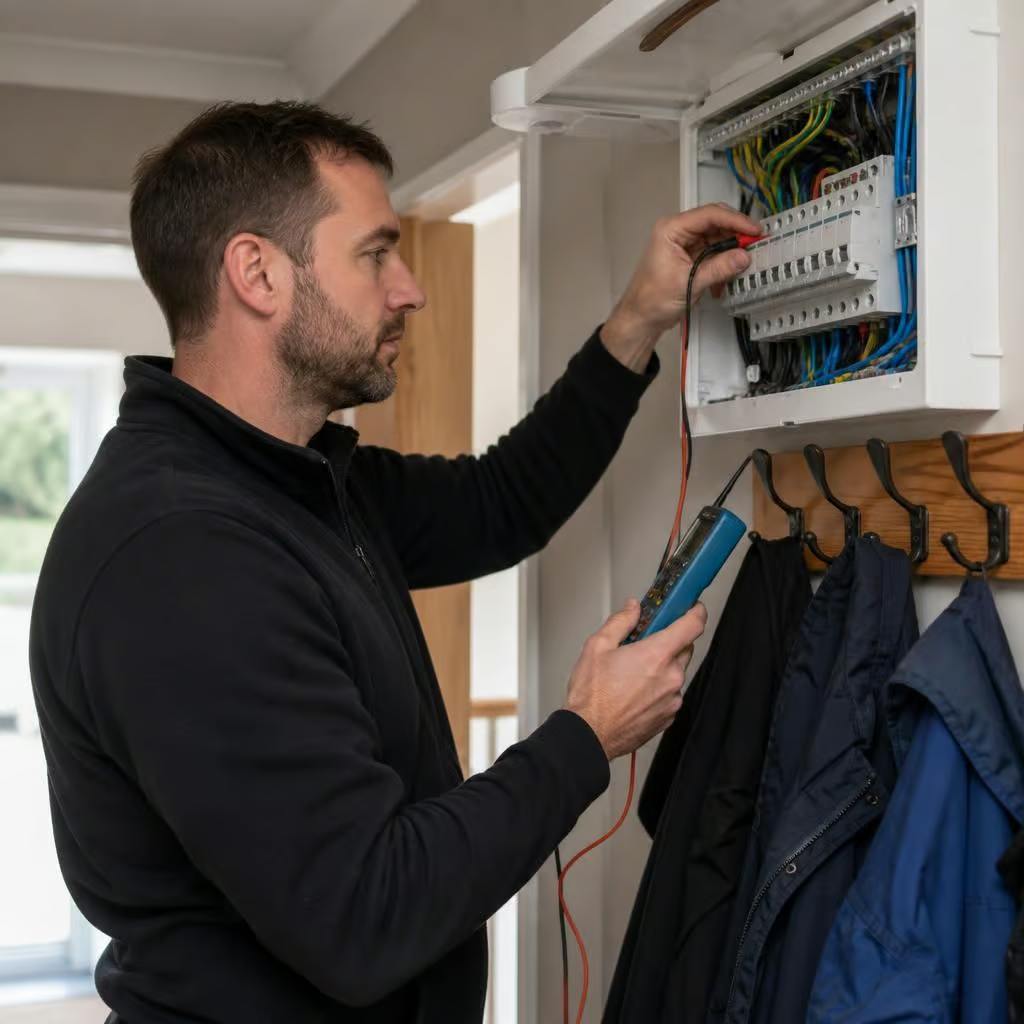
Allow enough time for the engineer to inspect and test the installation properly, rather than treating an EICR as a quick visual check. The inspection includes the consumer unit, fixed wiring, sockets, switches, lighting points and other connected parts that fall within the agreed scope.
What happens during the inspection
We start by discussing any known problems, recent alterations and areas of concern. If the property is rented, we also confirm which parts of the installation are included in the report.
We then identify the circuits and compare them with the installation’s arrangement. The engineer checks for signs of damage, overheating, unsuitable equipment, poor connections, missing labels and other visible defects.
Electrical tests follow the visual inspection. These can include checking continuity, insulation resistance, polarity, earthing and the operation of protective devices. Some tests require the power to be switched off, so sensitive equipment should be shut down safely before the appointment.
Why some properties take longer
- An older installation may have alterations that are difficult to trace or circuits that are not clearly labelled.
- A large property may have several consumer units, extensions or separate distribution boards.
- Lofts, garages, outbuildings and external circuits take additional time when they are included in the inspection.
- Furniture, stored belongings or fixed equipment can prevent access to sockets, switches and connection points.
- Previous faults or unusual wiring may require extra testing to establish whether the installation is safe.
Properties that have been extended or converted can need particular care. Barn conversions, older houses and installations with several generations of wiring may contain different cable types and protective arrangements. We record what we can verify and identify any parts that could not be inspected.
What access is needed
The engineer needs access to the consumer unit and to the rooms, fixed electrical accessories and equipment covered by the inspection. If an outbuilding or external circuit is included, those areas must also be accessible.
Moving a few items beforehand can prevent delays. Please make sure cupboards containing electrical equipment are open and that the consumer unit is not blocked. We may need to lift selected floor coverings or access inspection points, but we discuss this before doing so.
Can you stay at home?
Yes, although the power may be interrupted during parts of the testing. Computers, heating controls, refrigeration and other sensitive equipment should be considered before the inspection starts. Some alarms, clocks and smart devices may need resetting afterwards.
If someone works from home or needs uninterrupted power, mention this when arranging the inspection. We can explain which parts of the process require an isolation and plan the visit around the access available.
What if the inspection finds a problem?
We record defects using the classification required by the electrical installation standards. A C1 indicates danger present, a C2 indicates a potentially dangerous condition, and a C3 identifies an improvement that is recommended. Further investigation is marked FI where the available evidence shows that more checking is needed.
Findings that affect immediate safety are explained before we leave. The inspection itself does not automatically include remedial work, so we separate the test from any repairs or upgrades needed afterwards. That lets you decide what should happen next using the written findings rather than an informal verbal opinion.
What you receive
The report records the installation details, the extent and limitations of the inspection, the test results and each observation requiring attention. It also states whether the installation is satisfactory under the relevant criteria.
Our NICEIC and ECA electrical work is carried out by qualified engineers, so the inspection follows a recognised process rather than relying only on a visual assessment. If the property needs remedial work, the report gives you a clearer basis for comparing the urgency and scope of that work.
If the EICR is needed for a sale, tenancy or insurance deadline, allow time after the inspection to consider any findings. The inspection may take a few hours, but repairs are separate work and shouldn’t be assumed to form part of the same visit. Once the report is issued, you can decide which items need attention and arrange any remedial work on the basis of the written observations.