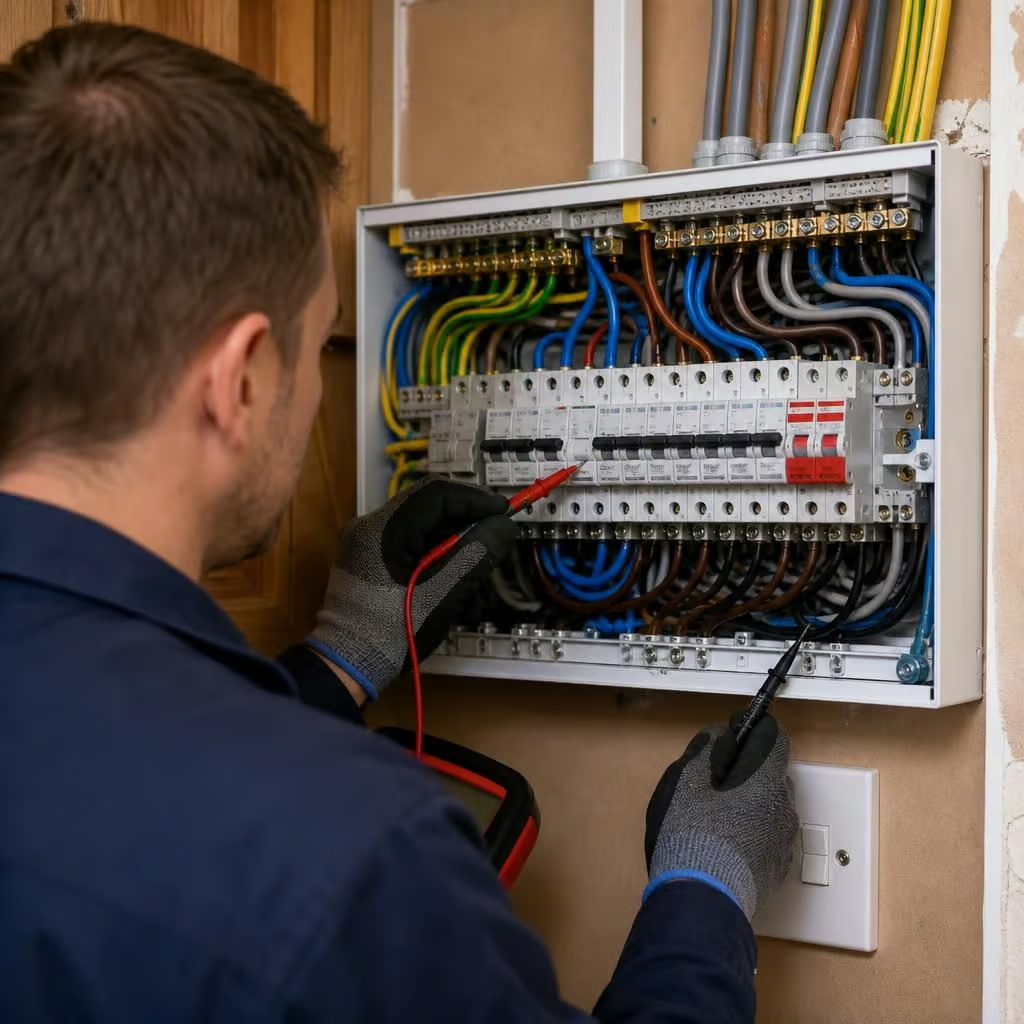
What happens if an EICR identifies an electrical fault?
The EICR records the fault’s classification and explains what needs attention. We’ll discuss any urgent danger with you, recommend repairs for serious defects, and provide a clear written quotation before carrying out further work.
The report tells you what needs attention, but it does not repair the fault. The next step depends on the observation code, the danger it presents and whether the electrician has enough information to identify the cause.
C1 and C2 findings need action before the affected installation continues in normal use. A C1 finding indicates immediate danger. A C2 finding indicates a potentially dangerous condition that could cause injury, fire or further damage. We explain which circuit or item is involved and what should remain switched off until the repair is complete. Do not remove covers, handle exposed conductors or repeatedly reset a tripping circuit. If there is visible damage, a burning smell, heat or arcing, keep clear and arrange an electrician’s assessment.
A C3 observation is different. It records an improvement that would bring the installation closer to current standards, but it does not normally mean that the installation is unsafe. Older installations are assessed against the condition and risks found during the inspection. They are not automatically expected to meet every standard that applies to a new installation.
An FI code means the electrician could not reach a firm conclusion during the inspection. The reason might be restricted access, a concealed cable route, an inaccessible connection or a fault that only appears under certain conditions. Further investigation may involve opening a fitting, carrying out additional tests or tracing the circuit. The final report can then record the actual condition rather than leaving the issue unresolved.
Who must arrange the work depends on the property. In your own home, you decide whether to accept the recommended repair, although dangerous defects should not be left in service. If you are a landlord, you are responsible for arranging the remedial work and retaining evidence that it has been completed. A tenant should report the problem to the landlord or managing agent rather than attempting an electrical repair.
For a rental property, the EICR records the installation when it was inspected. It is not amended after a repair. We provide the relevant repair paperwork, such as a Minor Works Certificate or Electrical Installation Certificate, and any further inspection report needed to show what has been done. Keep these documents with the original EICR for the property records.
Some faults can be corrected at the defective accessory or connection. Others point to a wider issue, such as damaged cable insulation, an overloaded circuit, a poor earth connection or an outdated consumer unit. We test the surrounding circuit before choosing the repair. Replacing a socket without finding why it overheated would only deal with the visible symptom.
Where a repair affects more than one circuit, we explain the practical consequences before work begins. You may need to remove equipment from use, clear access to the consumer unit or accept a temporary loss of power to part of the property. In an older home, concealed wiring, unusual additions and previous alterations can make tracing the fault more involved. We tell you when further opening-up or investigation is needed rather than assuming the cause.
The quotation should separate the necessary repair from optional improvements. For example, correcting a dangerous connection is different from replacing sound accessories for appearance. We issue a written quotation before agreed work starts, so you can see what the repair includes and what further testing or certification will cost. If the investigation changes the scope, we explain that before carrying out additional chargeable work.
After the repair, we repeat the relevant tests. This checks that the fault has been corrected and that the circuit is safe to put back into service. If the repair changes the installation, the correct electrical certificate records the work. If the original finding was an FI, the additional investigation should resolve or properly document that uncertainty.
Some recommendations require no immediate electrical repair but still deserve attention. A damaged enclosure, missing labels or an arrangement that makes future isolation difficult can make maintenance less safe. We explain the consequence of leaving each item as it is, rather than treating every recommendation as an emergency.
For electrical work, Alderminster Group’s NICEIC and ECA credentials support the inspection, testing and certification process. More importantly, the person carrying out the work should be able to explain the fault in plain terms, identify the affected circuit and leave you with paperwork that matches the work completed.
If an EICR records a fault, send the complete report when asking for a quotation. The observation code, circuit details, test results and inspector’s notes help us understand what has already been established. Photographs of visible damage can also help, but they do not replace an assessment where the installation may be dangerous.
If an EICR fault appears when a particular appliance is used, the appliance may not be part of the fixed installation. An EICR covers fixed wiring, sockets, switches, consumer units and other connected equipment, rather than portable appliances.
We test the circuit and its protective devices to separate an installation fault from a problem with the appliance or its lead. That tells you whether the electrical repair belongs at the socket or circuit, or whether the appliance needs attention from an appropriate repairer. You’re then not paying for a fixed-wiring repair when the fault lies elsewhere.