
What does a landlord gas safety check include?
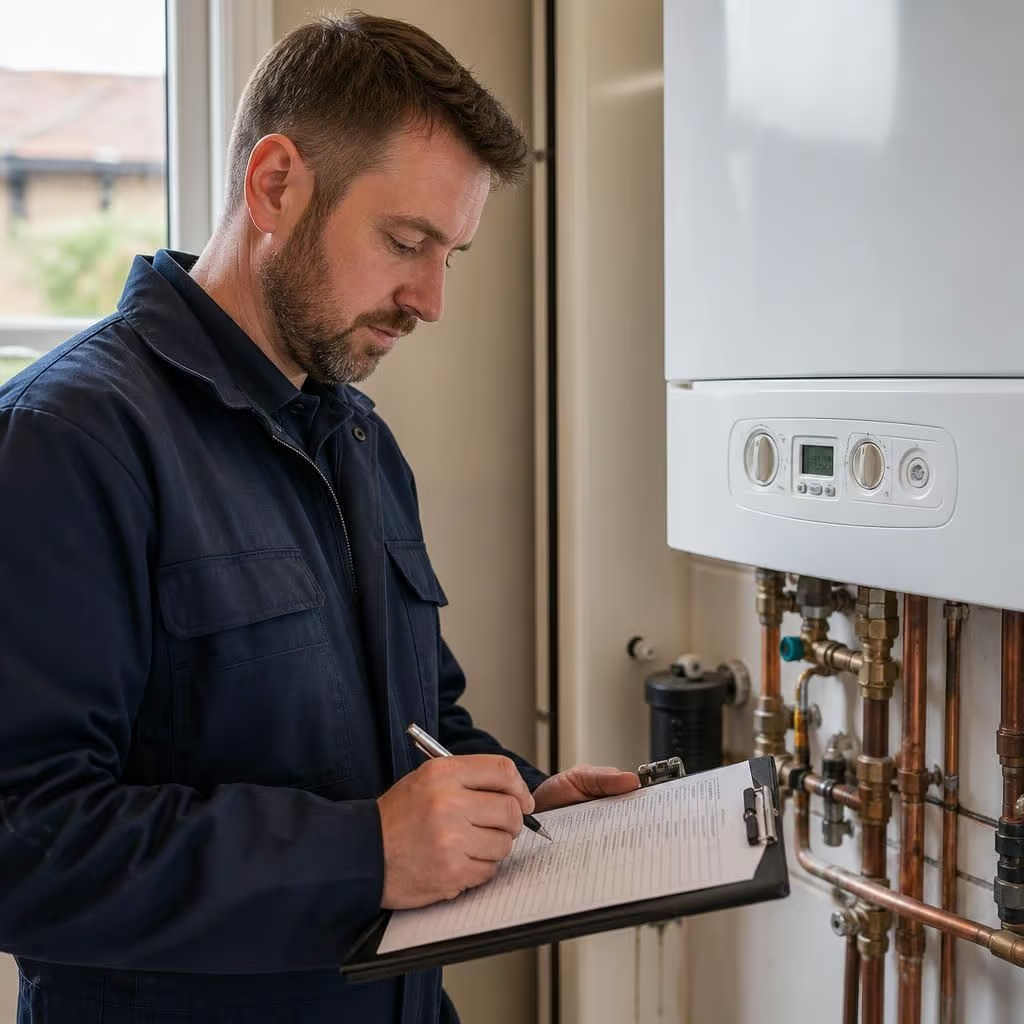
A landlord gas safety check includes inspecting each gas appliance, its flue and ventilation, then testing gas tightness, combustion and safety controls. We record the appliances checked, any defects found and the result on the gas safety record, so you know what needs attention before the property is let.
The inspection follows the gas appliances and flues provided for the tenancy, then checks whether the installation can be used safely. It covers the points below.
- Every relevant gas appliance: We inspect the boiler, gas fire, cooker, hob, water heater and any other gas appliance that belongs to the property. We identify each appliance clearly so the record shows what was checked.
- Appliance condition: We look for damage, signs of overheating, corrosion, poor combustion, missing case seals and other defects. We check that the appliance can operate without creating an immediate safety risk.
- Flues: Your appliance may be working correctly while its flue is unsafe. We inspect the visible flue route, joints, terminal and surrounding materials. Where the design allows, we check that combustion gases can discharge safely. Concealed flues may need additional access or inspection arrangements if their condition cannot be established.
- Ventilation: We check that required air vents are present, open and suitable for the appliance. A blocked, covered or undersized vent can prevent safe combustion, particularly in a tightly sealed room.
- Gas pressure and combustion: We test the appliance in operation and compare its readings with the manufacturer’s requirements where the necessary test points are available. This helps identify incomplete combustion, poor burner performance or an inadequate gas supply.
- Safety devices: We check the operation of relevant controls and safety features. These may include flame-failure devices, thermostats, pressure controls and other appliance-specific protections.
- Gas tightness: We test accessible gas installation pipework and connections for leaks. This is separate from checking whether an appliance produces heat properly.
- Termination and surrounding area: We check that the flue terminal has suitable clearance and that nearby materials, openings and extensions do not create a danger from combustion gases.
What the engineer needs on the day
We need access to every gas appliance and to any meter, isolation valve, ventilation opening or flue section that forms part of the installation. Furniture, stored items or locked cupboards can prevent a proper inspection. If a flue is concealed and there is no way to examine it, we explain the limitation rather than treating an unseen section as safe.
The gas supply may need to be turned off briefly while we carry out tests. We may also need to run appliances at full operating temperature, so the property should have suitable access and ventilation during the visit. If a tenant uses an appliance that the landlord does not own or provide, it should be identified clearly because responsibility for checking it may be different.
What happens when we find a defect
If an appliance or installation is unsafe, we explain the problem in plain terms and record the relevant finding. The engineer may recommend a repair, further investigation or replacement. Where there is an immediate danger, we follow the required safety procedure, which can include disconnecting or labelling the appliance and restricting its use.
A gas safety check is not permission to keep using an appliance with a known fault. The landlord remains responsible for arranging remedial work and for making sure the property is safe before the appliance is used again. A repair or replacement is separate work, so it should be quoted and agreed separately rather than assumed to be included in the inspection.
What the check does not prove
This inspection confirms the condition and operation of the accessible gas appliances and flues at the time of the visit. It is not the same as a full boiler service. A service can include internal cleaning, more detailed examination of components and maintenance recommended by the manufacturer.
The check also does not assess the heating system’s efficiency, radiator performance, water pressure or general plumbing condition. It does not certify electrical work, building regulations compliance or the condition of parts that could not be accessed. We point out those limits so the landlord knows when another inspection is needed.
Carbon monoxide alarms and other safety information
Landlords must meet the legal requirements for carbon monoxide alarms and smoke alarms in the property. We can identify an obvious issue with an alarm during the visit, but alarm provision and ongoing testing remain the landlord’s responsibility. Tenants should never cover ventilation openings or ignore a carbon monoxide alarm.
The inspection is carried out by a Gas Safe registered engineer. That registration is the legal requirement for work on gas appliances and means the engineer is qualified for the type of appliance being checked. After the visit, the landlord receives a clear record of the appliances inspected, any defects found and any action that remains outstanding.
The record should match the appliances supplied with the tenancy. If a boiler, cooker, fire or water heater is replaced afterwards, tell us before the next check so the new appliance can be identified and assessed.
Keep any installation paperwork with the gas safety record. That gives the landlord a clear history of what has been fitted, what was inspected and which recommendations still need attention.