
Can an EV charger be installed at a terraced house?
Yes, an EV charger can usually be installed at a terraced house if there is suitable parking and a safe cable route from the property. We assess the parking arrangement, cable run, consumer unit and electrical supply before recommending the right installation.
A terraced house can usually have a home EV charger, but the parking arrangement matters more than the house type. The vehicle needs to park on private land, or in a shared area where you have permission to install and use the charger.
Front gardens, side passages and shared drives can all work. A rear parking space may also be suitable if we can route the cable safely from the consumer unit to the charger. The cable must not create a trip hazard or run loose across a pavement. If the car is parked on the public road, a private wall-mounted charger normally cannot be used by trailing a cable across the pavement. An approved public charging arrangement would be a separate matter.
A shared drive needs a little more planning. You may need agreement from the freeholder, landlord or other residents before we fix equipment to a shared wall or run a cable through a communal area. We can identify the practical route, but the necessary permissions remain with the property owner or management body.
Older terraced houses often have consumer units, wiring and meter positions that were installed before EV charging was considered. That does not rule out a charger. It means we assess the installation rather than connect the charger to an unsuitable circuit.
- The parking position: the charging socket should be reachable without leaving the cable where people can walk over it.
- The cable route: we look at external walls, lofts, floor voids, cupboards and any shared access. The route may use discreet external cabling, internal wiring or a protected duct.
- The consumer unit: we check its condition, available space and protective devices. Older equipment may need upgrading before the charger can be connected.
- The electrical supply: we consider the existing demand from the house, including electric heating, an oven, an immersion heater or solar and battery equipment.
- The charger position: the wall needs to support the equipment, and the location must allow safe access for use and maintenance.
Most installations use a separate circuit from the consumer unit. We select the cable, protection and controls for the charger and the way the household uses electricity. Load management can help when the property has a limited supply or several high-demand appliances operating together.
A terraced house may have a longer or more complicated cable route than a detached property. A charger on the front wall might be straightforward where the consumer unit is nearby. A rear parking space could involve drilling through walls, lifting floorboards, using a loft route or protecting cable along an outside wall. Those details affect the price more than the fact that the house is terraced.
We survey the parking position, consumer unit, meter arrangement and cable route before quoting. The quotation sets out any electrical upgrades, access work and making-good needed, so you can compare the full installation rather than just the charger price. We also explain if the proposed location is unsuitable and why.
Some work involves drilling, fixing cable or trunking and briefly isolating part of the electrical installation. We plan the route to limit disturbance and leave the work tidy. If access through a neighbour’s property or a shared area is needed, that needs arranging before the installation date.
Electrical work for an EV charger should comply with the current wiring requirements and the charger manufacturer’s instructions. Our NICEIC- and ECA-registered electrical team tests the circuit, records the results and explains how to use the charger when the work is complete.
If you rent the terraced house, speak to the landlord before arranging a survey. If you own a leasehold property, check the lease and any shared-drive or freehold arrangements. With private parking, a suitable cable route and an electrical installation that can support the load, terraced housing is rarely a barrier to home charging.
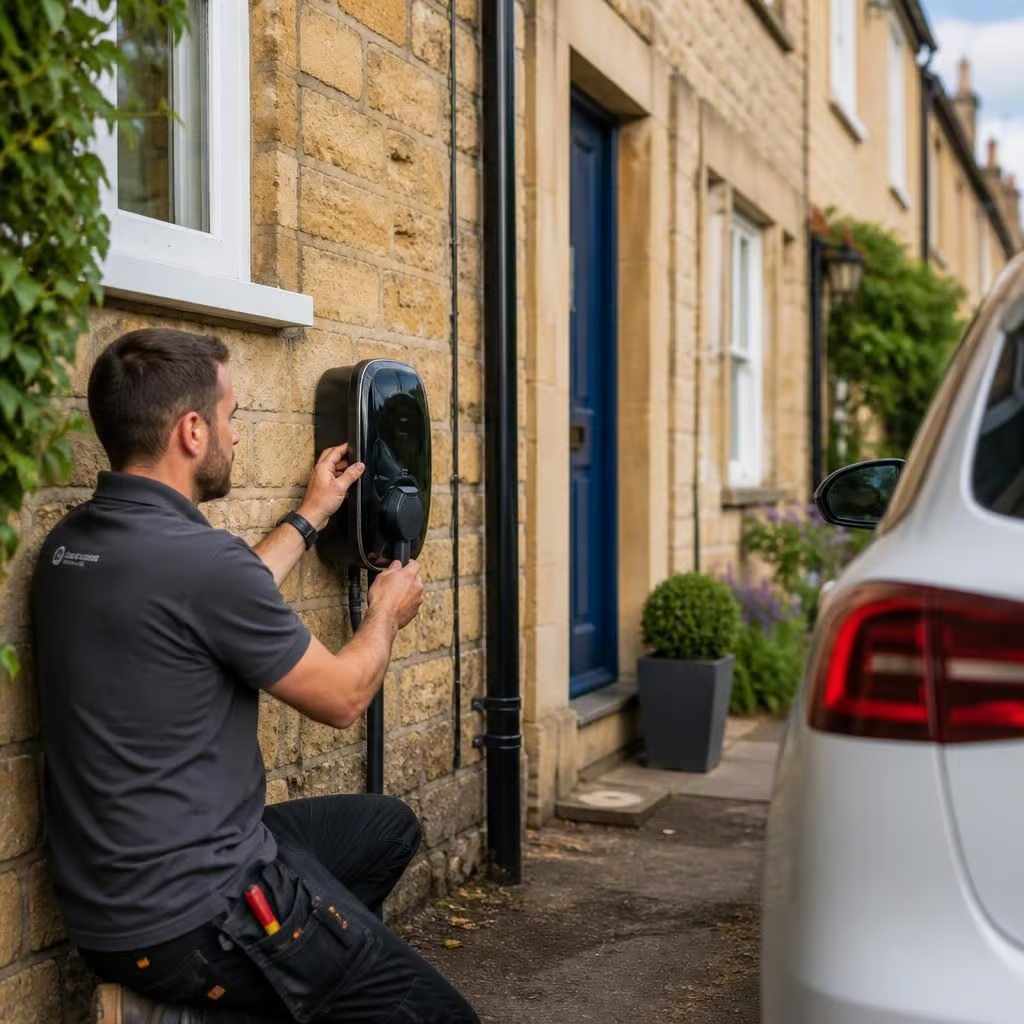
A terraced house in a conservation area or a listed building may need extra checks before a charger goes on the front elevation. The visible fixing, cable route and position can affect whether consent is needed.
We look at the proposed installation from the street as well as from inside the property. That lets us identify a less visible route or position where appropriate, and explain which permissions you need to confirm before work begins.