How long does smart home automation installation take?
A small smart home automation installation may take a single visit, while a whole-home system can require several visits. We confirm the timescale after checking the devices, wiring, network and level of integration needed.
Smart home automation installation can take anything from part of a day to several visits. The main factor is not the number of devices, but the amount of wiring, configuration and testing needed to make them work together reliably.
A small system using existing wiring and wireless devices is usually straightforward. This might include a smart thermostat, a few sensors, app-controlled lighting or a doorbell. We can often install and configure this during one planned visit.
A larger installation takes longer when it includes several rooms, fixed lighting controls, heating zones, blinds, security devices or new network equipment. New cable routes, changes to lighting circuits and work in walls or ceilings add preparation and making-good time. We explain these requirements before work starts, rather than allowing them to appear as surprises on the day.
- Wireless controls and sensors: These usually need mounting, pairing and testing rather than new cable runs. The time depends on the number of rooms and how many devices need to communicate with the hub or network.
- Smart heating controls: A thermostat or heating controller may be a simple replacement, but compatibility still matters. We check the existing boiler, wiring centre, controls and heating zones before selecting the connection method.
- Smart lighting: Replacing a switch can be quick when the existing wiring is suitable. Additional circuits, two-way switching, dimming or poor access behind older switches can make the work more involved.
- Multi-room systems: Each room adds installation and commissioning work. We check that the devices respond from the intended locations and that the controls remain clear for everyone using the home.
- Systems needing new wiring: Cable access through solid walls, finished floors, loft spaces or older ceilings can extend the installation. We agree the route with you before drilling or lifting anything.
Before we set a timescale, we look at the equipment being connected and the way the home is already wired. We check the consumer unit, existing switches, heating controls, Wi-Fi coverage and suitable locations for hubs, sensors and controllers. We also identify any devices that need a permanent supply rather than a battery.
Your internet connection affects smart equipment that relies on remote access, but the system should still behave sensibly if the broadband connection drops. We explain which functions work locally and which depend on the app or cloud service. This avoids finding out after installation that an important control only works when the internet is available.
Older properties can need more investigation. A solid-wall house, barn conversion or listed building may have limited cable routes or unusual existing wiring. We plan around the building rather than assuming that a standard flush-mounted device will fit. If a proposed feature would cause excessive disruption, we can explain a less intrusive option.
On the installation day, we start by confirming the agreed locations and isolating any electrical circuits that need work. We then fit the devices, connect the relevant wiring, label changes where needed and restore the power in a controlled way. We test each item before moving on to the next part of the system.
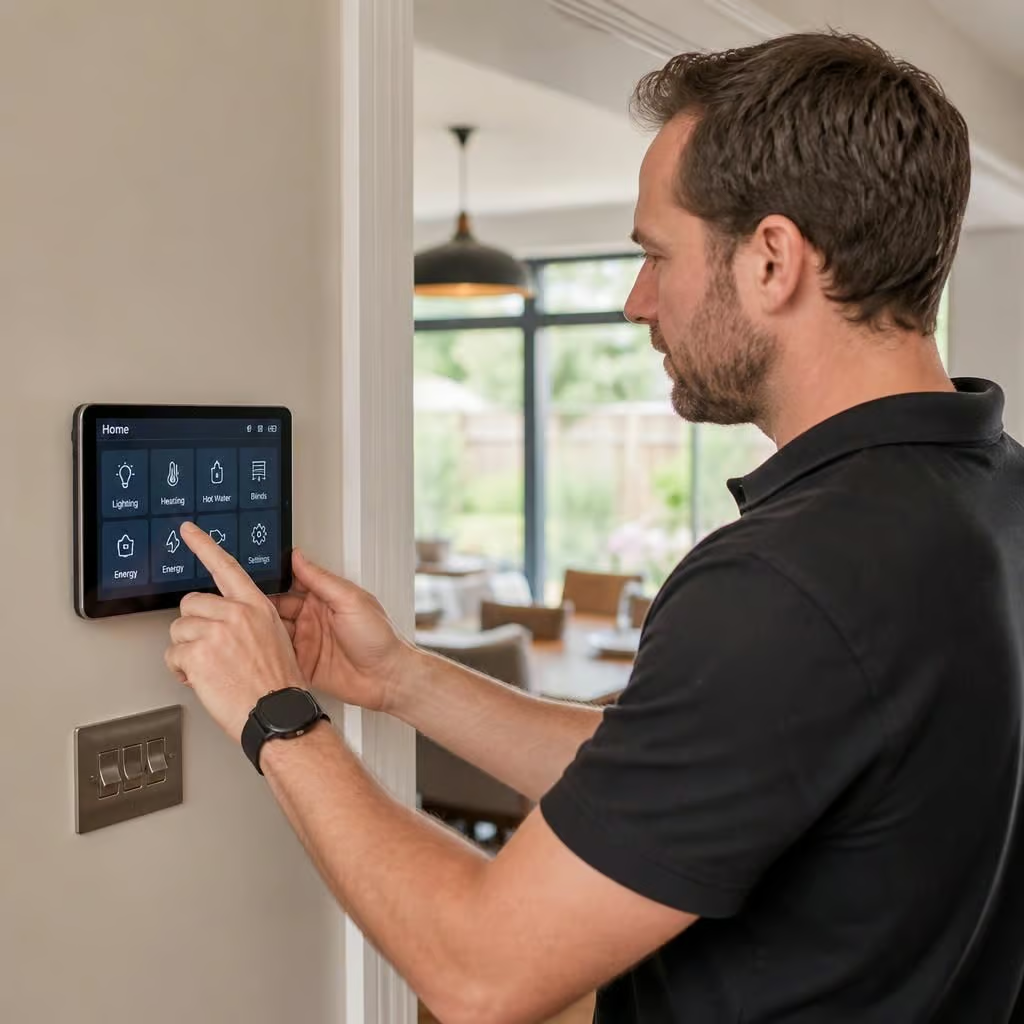
Configuration can take as long as the physical fitting. We name rooms and devices clearly, set user access, link compatible controls and check schedules, alerts and heating commands. We test the system from the places where you will use it, not only from beside the hub. You are shown the main controls before we leave, so the installation ends with a working system rather than a collection of unconfigured devices.
The programme can change if we find unsafe wiring, an unsuitable consumer unit or equipment that cannot communicate as expected. We do not work around an electrical defect simply to preserve the original timescale. We explain what needs attention and provide the next step before carrying out additional work.
We confirm the expected duration after the site assessment and equipment review. The quotation sets out the agreed work, so you can see whether the installation is a single visit or needs separate stages for wiring, fitting and final commissioning.
A smart home system isn’t finished when the last device is mounted. We allow time to check that each control behaves as agreed, including scenes, schedules, alerts and access for other household members.
If settings need changing after testing, we make those adjustments before handover. That final commissioning work is why a reliable installation may take longer than simply replacing switches or fitting sensors.