
How do you protect floors and furniture during a house rewire?
During a house rewire, we move or cover furniture and protect floors with suitable coverings before work starts. We contain dust where possible, keep walkways clear and remove coverings and waste as each area is finished.
Good protection starts before the first socket is removed. We plan cable routes, identify vulnerable surfaces and agree what needs to be cleared before the rewire begins. That reduces avoidable damage and helps us work through the house in a controlled order.
What you should do before we arrive
- Remove ornaments, pictures, lamps and other loose items from rooms where we will work.
- Empty cupboards, shelves and wardrobes where cables may pass behind or through them.
- Move valuable, delicate or sentimental items away from the work area. Protective materials cannot remove the risk of damage to fragile objects.
- Tell us about antique furniture, original plaster, decorative finishes and flooring that need particular care.
- Keep pets and young children away from open floors, tools and temporary cable routes.
If a large item cannot leave the room, tell us before the quotation is agreed. We can then consider the cable route and working space properly rather than discovering an obstruction on the day.
How we reduce damage during the work
A rewire usually involves lifting floorboards, accessing roof spaces, drilling through walls and cutting channels for cables. We choose the least disruptive practical route, rather than creating unnecessary chases or openings. In an older house, that may mean using existing voids, floor routes or accessible cupboards where the layout allows.
Floorboards need particular care because they may be original, painted or difficult to replace. We identify boards before lifting them and use suitable tools to reduce splitting and damage around fixings. We keep removed boards in an organised order so they can return to their original position wherever possible.
Walls can need small openings around sockets, switches and cable routes. We keep these areas as limited as the installation allows. Existing plaster can be fragile, especially in older solid-wall homes, so we discuss any areas where a neat repair may need a plasterer or decorator after the electrical work.
Furniture protection also includes the items that are easy to overlook. We take care around skirting boards, door frames, curtains, blinds, radiators and built-in cupboards. Electrical equipment such as televisions, computers and sound systems should be disconnected and stored away from the work area before we begin.
Managing dust and debris
Cutting walls and drilling ceilings creates dust even when we work carefully. We use suitable extraction and containment methods for the task, but no rewire can be treated as completely dust-free. Closing doors between work areas and living spaces helps limit its spread.
We keep tools, cable offcuts and removed fittings in defined working areas rather than placing them on unprotected surfaces. At the end of each stage, you can see which rooms are complete and which still need access for testing or final connection.
What happens if something is damaged?
Before work starts, we can note existing marks, cracks or defects that may affect a repair. This is useful in older properties where plaster, paint and flooring may already be worn. If you are concerned about a particular surface, raise it during the survey so we can account for it in the method and quotation.
Electrical work normally leaves small areas that need making good. We secure the installation and leave the electrical work complete, but painting, decorating and extensive plaster repairs may need a separate trade. The quotation should make clear what is included, so you know what the finished rooms will require after the rewire.
A complete rewire is disruptive, but careful preparation limits the effect on the rest of the home. The best result comes from combining a sensible cable route with cleared working areas, agreed protection measures and realistic allowance for making good.
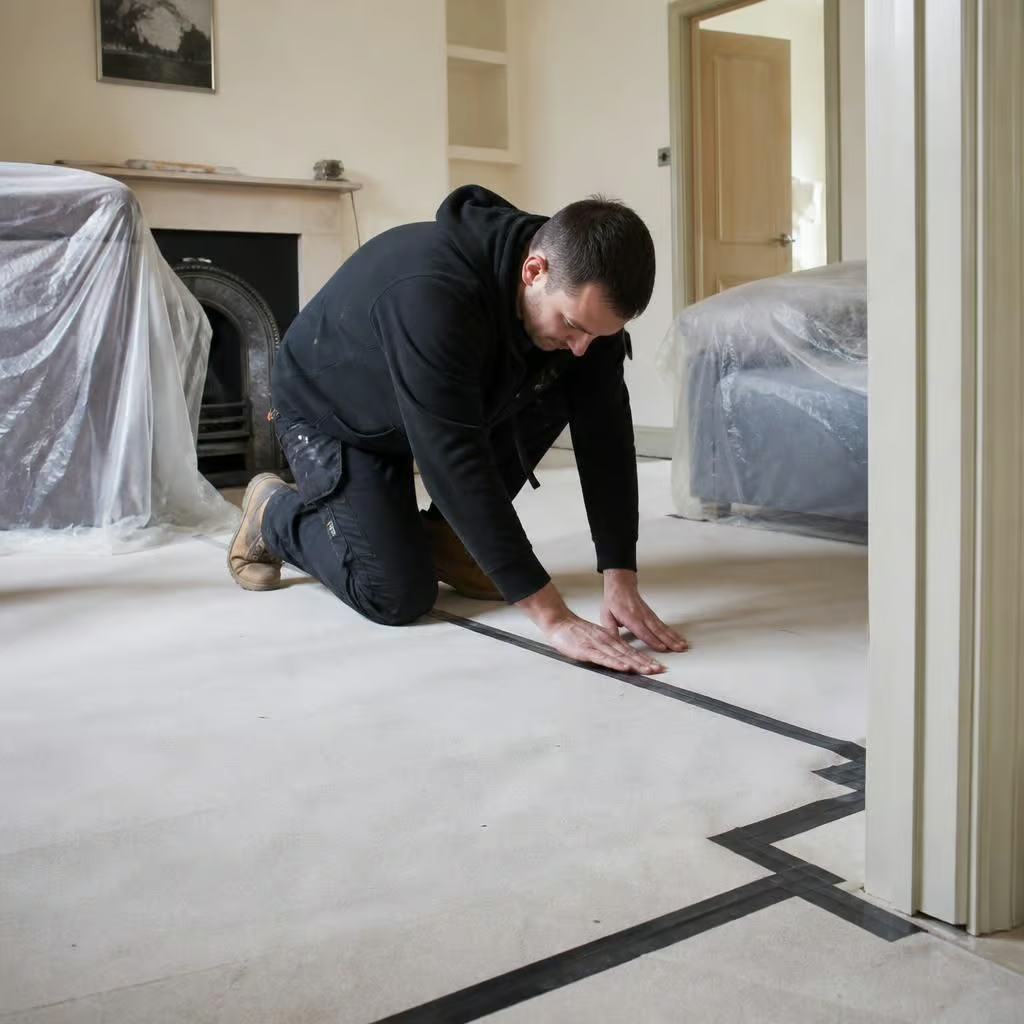
A floor covering must protect the surface without creating a trip hazard. We use protection suited to the room, then secure edges at doorways, stairs and thresholds so tools and cable runs can pass safely.
Hard flooring, carpets and vulnerable original boards each need a different approach. We keep the protected route clear, check it as work moves between rooms and remove it when that area is finished. This limits scuffs and dust without leaving coverings in place longer than necessary.