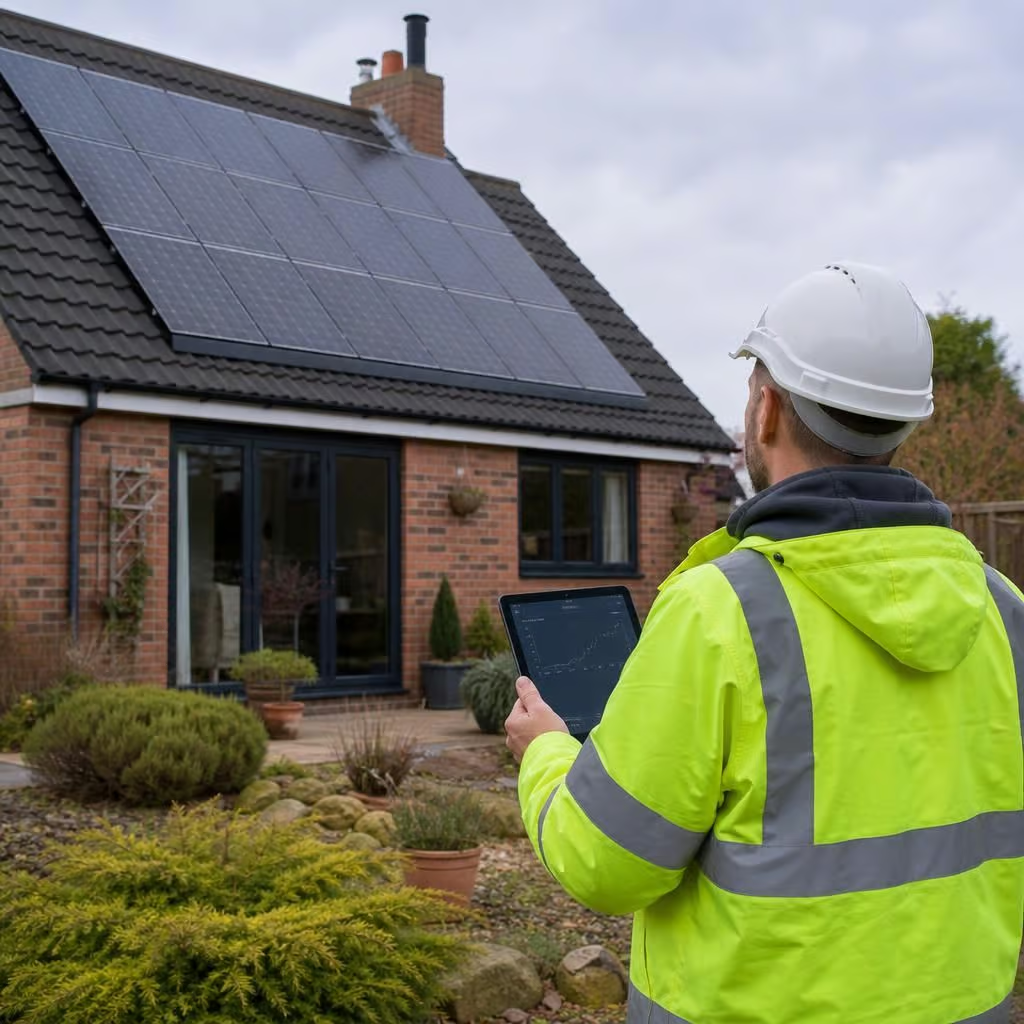
Can solar panel maintenance be priced without visiting the property?
We can sometimes give an indicative solar panel maintenance cost from the system details, but a firm price usually needs a property visit. We need to assess the panels, inverter, cabling, access and any visible faults before confirming the work and quotation.
The useful distinction is between a budget estimate and a fixed price. We can usually assess the likely maintenance work from system details, photographs and monitoring information. A firm quotation is more realistic when the system is clearly documented and the work is limited to a defined task.
Information that helps us price the work
The more we know about the installation, the less uncertainty remains in the estimate. Useful details include:
- the number and approximate age of the panels;
- the inverter make and model;
- whether the system includes battery storage;
- the original installation paperwork, if it is available;
- any monitoring alerts, fault codes or changes in generation;
- photographs of the panels, inverter, isolators and cable routes; and
- the reason maintenance is being requested, such as reduced output, an inspection or preparation for a property sale.
A clear description of the problem matters. A system producing less electricity may need an electrical test, inverter investigation or examination of the panels. Those tasks involve different amounts of work.
When a remote estimate is usually more reliable
A remote estimate is more useful when the request has a narrow scope. For example, replacing a known monitoring component or carrying out a scheduled inspection may be straightforward to price when the equipment and access arrangements are clear.
It is also easier to estimate when the installation records show where the panels, inverter, generation meter, isolators and battery are located. Photographs can help us understand the arrangement before we decide whether a visit is needed.
Why the property can change the price
Solar maintenance is not always confined to the panels. Roof pitch, panel position and the route to the equipment affect how safely we can inspect and test the system. A steep roof, fragile covering, conservatory roof or limited access may require additional access equipment.
The condition of the electrical equipment can also change the work involved. We may find that an inspection needs to include the inverter, DC connectors, isolators, earthing, consumer unit or cabling. A battery adds further equipment and protection arrangements to check.
Older installations may have incomplete records, weathered components or equipment that is no longer supported. That does not automatically make maintenance unsuitable, but it can prevent us from confirming the full scope from photographs alone.
When we need to visit before confirming a price
We normally need to inspect the property before giving a firm figure where:
- the cause of reduced generation is unclear;
- there is a suspected electrical fault or visible damage;
- the roof access is difficult or cannot be judged from photographs;
- the installation has been altered since it was fitted;
- the system includes battery storage with an uncertain connection arrangement; or
- testing could identify further work that cannot be seen remotely.
A visit allows us to confirm the equipment, assess access and separate routine maintenance from remedial work. It also reduces the risk of pricing only the visible symptom while missing the cause.
What happens if the inspection finds more work
We explain the difference between the requested maintenance and any additional repair before carrying out extra work. The written quotation sets out what we intend to do and the price before work starts. You can then decide whether to proceed with the wider scope.
This is particularly important where an inspection identifies damaged cabling, a failed isolator, water ingress, loose connections or a problem affecting the inverter. Routine maintenance and electrical repairs are related, but they are not the same job.
The practical approach
Send us the system details, photographs and a description of the issue first. We can use that information to decide whether a remote estimate is sensible or whether an inspection should come before pricing. If the scope is clear, this may avoid an unnecessary visit. If the condition or access cannot be confirmed, a survey gives a more dependable basis for the final quotation.
That approach means the figure reflects the actual system and the work it needs, rather than relying on a standard maintenance price that may not fit the installation.
A property visit doesn’t necessarily mean a full solar survey. Where the question is simply why output has changed, we can make a targeted inspection of the panels, inverter and associated electrical equipment. That gives us evidence to price the actual maintenance rather than allowing for every possible fault.
If the system is on a difficult roof or the equipment is spread across the property, the visit also confirms what can be reached safely and what testing is practical. You’re then left with a quotation based on the installation in front of us, with any repair work separated from routine maintenance.