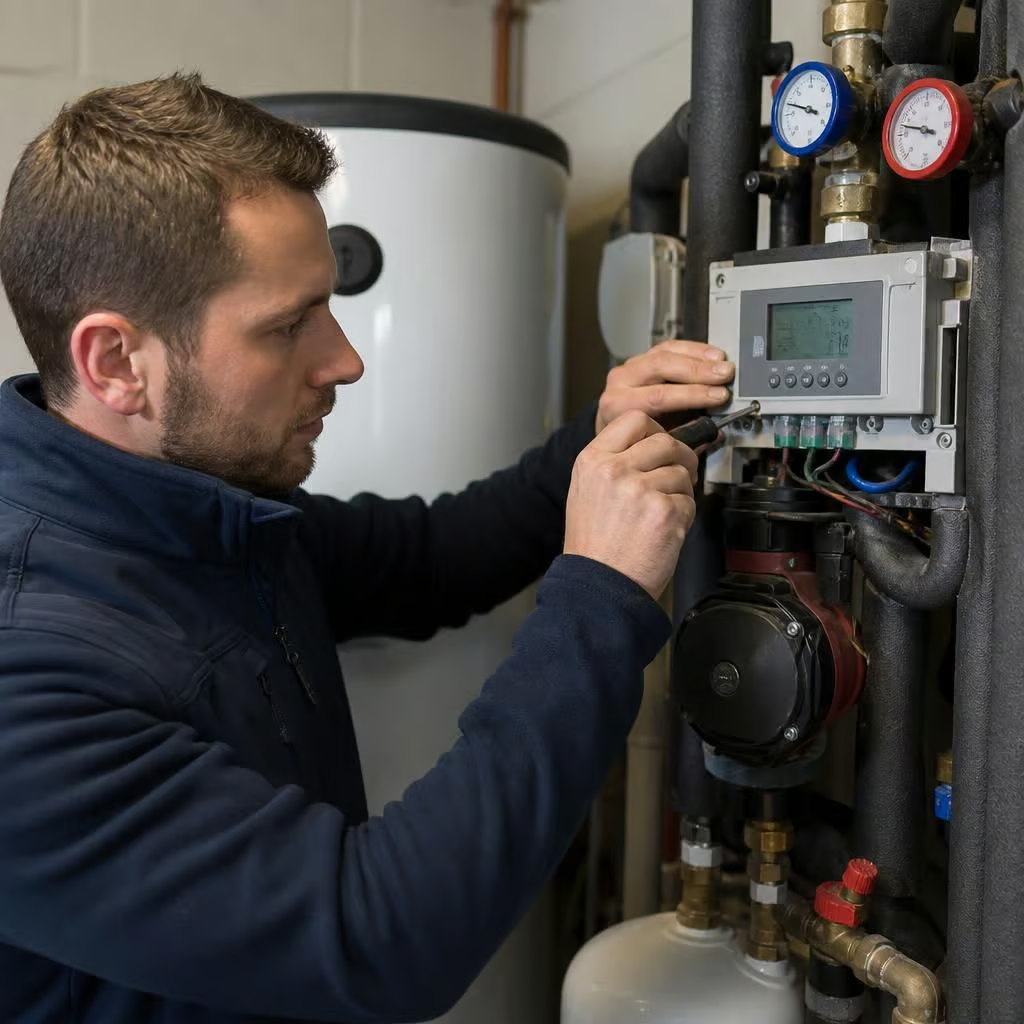
What happens if a solar water heating system develops a fault?
If your solar water heating system develops a fault, we diagnose whether the problem is with the collectors, cylinder, pump, controls or pipework before recommending a repair. We explain what needs doing and provide a written quotation before work starts.
Most solar water heating faults can be traced to the pump station, controller, temperature sensors, heat-transfer fluid or the cylinder coil. A repair does not usually mean replacing the collectors. We test each part to find the cause before recommending any work.
If the system stops contributing heat, the controller may have lost its temperature reading, the circulation pump may have stopped, or the fluid circuit may have lost pressure. A sensor fault can make the controller believe the cylinder is already hot. A pump fault leaves hot fluid sitting in the collectors instead of transferring heat indoors.
If the pressure is low, there may be a leak, trapped air or a problem with the expansion vessel. The pressure gauge and safety valve can show where to start, but repeatedly topping up the system will not fix the underlying cause. Solar fluid can become very hot, so we inspect the circuit rather than asking you to open fittings yourself.
If the system leaks, the source may be a joint, valve, pressure-relief pipe, pump station or cylinder connection. Fluid around the cylinder or plant area needs attention, even if the collectors appear to be working. A leak on the roof can be harder to spot and may only show when the system is hot or under pressure.
If the controller shows an error, note the exact code and take a photograph if possible. The message may relate to a sensor, pump, high temperature or communication fault. We use the code alongside electrical and temperature tests, rather than replacing parts based on the display alone.
If the cylinder remains cool, the problem may not be with the solar circuit. The immersion heater, boiler controls, diverter valve or cylinder thermostat may also affect the available hot water. We check the complete arrangement so the repair addresses the part that is actually preventing heat transfer.
Before an engineer attends, avoid climbing onto the roof or touching collector pipework. Do not remove covers from the pump station or controller. If water is escaping near electrical equipment, isolate the system only if you can do so safely and keep clear of hot fluid. A solar circuit can remain hot even when the pump is not running.
During the inspection, we look at the controller readings, system pressure, pump operation, temperature difference between the collectors and cylinder, sensor resistance, valves, insulation and visible pipework. We also check the cylinder coil and the supplementary heating controls. These tests distinguish a failed component from a circulation problem or an issue elsewhere in the hot-water system.
Some repairs are relatively contained. We may replace a sensor, pump, valve, controller or failed electrical connection, then refill and vent the circuit where needed. If the heat-transfer fluid has degraded, we assess its condition and replace it with the correct fluid rather than treating the pressure alone.
A larger repair may be more appropriate when the system has suffered frost damage, corrosion, repeated pressure loss or a cylinder fault. If collectors or concealed pipework are involved, we explain the access and making-good requirements before work starts. Where repair no longer makes financial sense, we set out the alternatives clearly instead of assuming a full replacement is necessary.
You will receive a written quotation before chargeable work begins, with the proposed repair and any parts or access requirements explained. If further damage appears once the system is opened, we discuss it with you before adding work. This lets you compare the repair with replacement on the basis of your property and the condition of the existing equipment.
After the repair, we run the system through its operating checks, confirm that the pump and controls respond correctly, and look for renewed leaks or pressure changes. We explain any readings or settings that matter and leave you with the paperwork for the work carried out.
Solar water heating systems also benefit from periodic checks, particularly where pressure has changed, the hot-water contribution has fallen or the controller has started recording errors. Finding a small circulation or sensor fault early can prevent a longer period of poor performance and reduce the risk of damage to other parts.
If the pump is not running, that does not always mean the system has failed. The controller may have stopped circulation because the cylinder has reached its set temperature or the collectors are too hot to circulate safely.
Check whether the display shows normal temperatures and whether hot water is still available. If the cylinder stays cool, the controller keeps showing an error or the system repeatedly stops and starts, we can test the controls and confirm whether the behaviour is protective or points to a fault.