
How much disruption does solar water heating installation cause?
Solar water heating installation is usually a planned, contained job, with the main disruption around roof access and connecting the system to the hot-water cylinder. We assess the roof, cylinder position and pipework first, then explain the work and any access arrangements before installation begins.
For most suitable homes, the main disruption comes from gaining safe access to the roof and connecting the system to the hot-water cylinder. The rest of the house can normally remain in use, although access to the loft, airing cupboard or plant room will be needed.
Before installation, we assess the roof covering, access route, shading and the distance to the cylinder. We also check where the pump station, expansion components and controls can go. This identifies whether pipes can run through the loft, a cupboard or another practical route without creating unnecessary work inside the house.
Roof access may involve scaffold, roof ladders or lifting equipment, depending on the building and collector position. We protect the areas used by the installation team and keep equipment in agreed locations. On an older property, roof shape, solid construction or restricted access can affect the method, so we explain those points before work begins.
Inside, the engineers need access to the cylinder and the route between it and the roof. They may need to lift sections of loft insulation, make small openings for pipework and install the pump and control equipment. Drilling and pipe cutting create some noise and dust, but these activities stay close to the working areas rather than spreading through the house.
The hot-water system may need to be isolated while we connect the solar circuit. That can mean a temporary interruption to hot water during part of the installation. If the existing cylinder cannot accept the solar input, the quotation will set out the required cylinder work before installation starts. You won’t be asked to make that decision halfway through the job.
Homes with an airing cupboard, loft or plant room usually offer a straightforward route for the internal work. A barn conversion, listed building or property with concealed services may need more careful planning. We look for routes that avoid unnecessary disturbance to finished walls, ceilings and historic features, while still leaving the system accessible for maintenance.
Once the collectors, pipework and controls are connected, we fill and test the solar circuit, check for leaks and confirm that the system is responding correctly. We then explain the controls and any changes to the hot-water settings. The installation areas are cleared, protective coverings are removed and the work is left ready for normal use.
- Before work: we confirm access, the cylinder arrangement, pipe routes and any scaffold or roof requirements.
- During roof work: the disturbance is concentrated outside and around the access equipment.
- During internal work: we need clear access to the loft and cylinder, with some drilling, lifting and temporary isolation of the hot water.
- After connection: we test the system, explain its operation and clear the working areas.
The quotation should make clear whether the work includes any cylinder changes, access equipment, electrical connections or making good. If the survey finds that installation would cause disproportionate disturbance, we explain the problem and the alternatives rather than treating the work as routine.
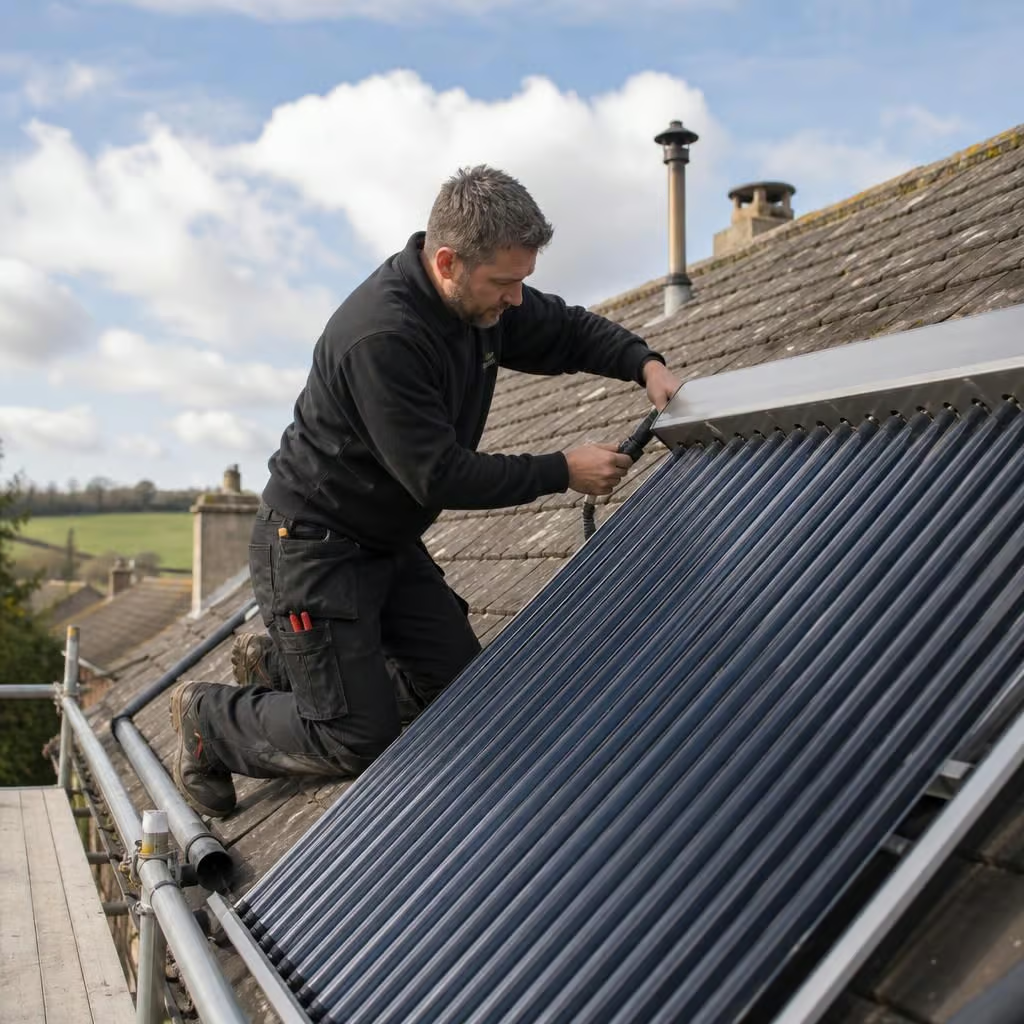
The least disruptive installations are decided before anyone starts drilling. We agree the collector position, cylinder arrangement, pipe route and access method during the survey, then record any required changes in the quotation.
That matters in an older home, where opening a finished wall or disturbing a historic roof detail can create work beyond the solar installation itself. If the practical route would cause disproportionate damage or inconvenience, we explain that before you commit and discuss a less intrusive arrangement where one is available.