
How much maintenance does a domestic wind turbine need?
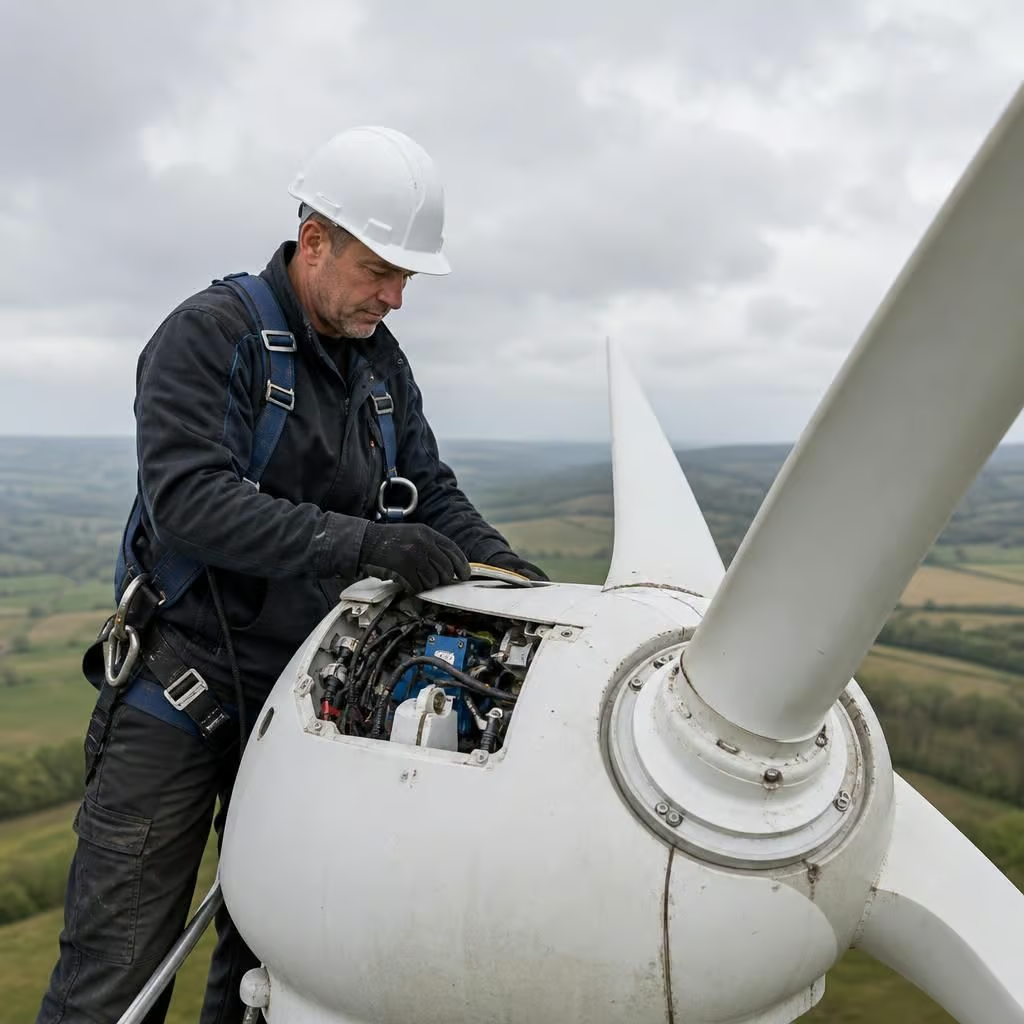
A domestic wind turbine needs scheduled professional servicing, with the interval set by the manufacturer and the site conditions. We inspect the blades, tower, moving parts, electrical connections and control equipment, then identify wear or faults before they affect safety or generation.
Domestic wind turbine maintenance is occasional rather than constant, but it needs to be planned properly. The main work is checking for wear, corrosion, movement and electrical faults before they affect generation or create a safety risk.
What routine servicing involves
A technician starts by reviewing the turbine’s operating history, fault messages and any changes in output. A gradual drop in generation can point to a control fault, mechanical wear, a damaged cable or a problem with the site rather than a fault that is immediately visible.
At the turbine, we look for:
- cracks, chips, distortion or erosion on the blades;
- loose fixings, unusual movement and signs of bearing wear;
- rust or coating failure on the mast, brackets and other exposed metalwork;
- damage to guy wires, anchor points or protective cable routes;
- water entry, overheating or insect and animal damage inside electrical equipment;
- poor earthing, damaged insulation or loose terminations;
- abnormal noise, vibration or movement during operation; and
- faults in the shutdown and protection controls.
Where the design allows it, we also check lubrication points, tighten fixings to the manufacturer’s requirements and test the turbine’s electrical output. We don’t assume that a turbine is healthy because it is still turning. Some faults reduce generation gradually and can cause more damage if they are left alone.
How access affects the work
The maintenance method depends heavily on where the turbine is installed. A pole-mounted turbine in an open field may need specialist access equipment or a controlled lowering procedure. A roof-mounted unit can involve roof access, additional weatherproofing checks and greater care around the building structure.
Safe access often makes up a significant part of the job. Sloping ground, soft soil, narrow gateways, overhead cables, trees and nearby buildings can all affect the equipment required. We assess those details before quoting, rather than treating every turbine as an identical job.
A turbine shouldn’t be climbed, opened or restrained by the homeowner. The blades can continue moving in light wind, and stored electrical energy can remain present after the turbine has stopped. We isolate the system using the correct procedure before carrying out detailed work.
What you can check yourself
You can keep useful records without going near the turbine. Note unusual sounds, vibration, visible changes, fault codes and periods when the turbine appears inactive in suitable wind. Comparing the system’s monitoring information with previous performance can also highlight a change.
Look from ground level for a damaged blade, a leaning mast, loose external cables, fallen fixings or corrosion. Don’t touch the equipment or enter a restricted area to investigate. If something looks unsafe, keep people and vehicles away and arrange a professional assessment.
Signs that a service is needed sooner
Arrange a check if the turbine begins making a new knocking, scraping or humming sound. Excessive vibration, repeated shutdowns, a persistent inverter warning or a sudden change in output also needs attention.
A turbine that has stopped may have a straightforward control fault, but it may also have shut itself down to protect a damaged component. Resetting it repeatedly can turn a protective shutdown into a more expensive repair. We investigate the cause before putting the system back into operation.
Storms and severe weather justify a visual inspection from a safe distance, particularly if the turbine has been struck by debris or has operated in unusually strong conditions. We check for damage before generation resumes normally.
How much maintenance costs
There is no reliable single price for domestic wind turbine servicing. The cost depends on the turbine’s size and design, its height, access arrangements, travel, the inspection required and whether parts or lifting equipment are needed.
A straightforward service with safe ground-level access is different from a visit requiring a specialist platform, crane or turbine lowering. Corrosion, seized fixings, damaged blades and hard-to-source components can add to the work. An older turbine may also need more investigation before we can identify the correct replacement part.
We inspect the installation and provide a written quotation before repair work starts. That separates planned maintenance from additional repairs, so you can decide whether the expected improvement justifies the cost. We don’t treat replacement of a major component as part of an ordinary service without explaining it first.
What happens if a part needs replacing
Some components are specific to the turbine model and may need to be sourced through the original supplier. We identify the part from the equipment details and condition assessment rather than fitting a generic substitute that may not be suitable.
After a repair, we test the affected system, confirm that the safety controls operate correctly and record the work completed. Keeping those records helps with future fault-finding and may be important if the turbine is still within a manufacturer’s warranty or service agreement.
When to consider replacement instead
Maintenance can keep a suitable turbine operating, but it can’t make an unsuitable or badly positioned site productive. Repeated faults, extensive corrosion, obsolete controls or difficult access may make continued repair poor value.
In that situation, we look at the condition of the whole installation, not just the failed part. We consider generation history, repair costs, structural condition, electrical equipment and the feasibility of replacing the turbine. A replacement decision should follow that assessment rather than a single fault or an attractive estimate of future output.
For a property considering a domestic wind turbine, maintenance should form part of the original appraisal. The survey needs to account for access, service requirements, electrical connections and the practical route for future repairs. That gives you a clearer view of the ongoing commitment before you decide to install.
After a service, you should know whether the turbine is safe to keep operating, needs monitoring or requires repair. We explain any finding in plain terms and separate work that matters now from work that can be planned.
If the turbine has been isolated, we explain why and what must happen before it runs again. You receive a record of the checks and any repair recommendation, so future servicing starts with a clear history rather than another assessment from scratch.