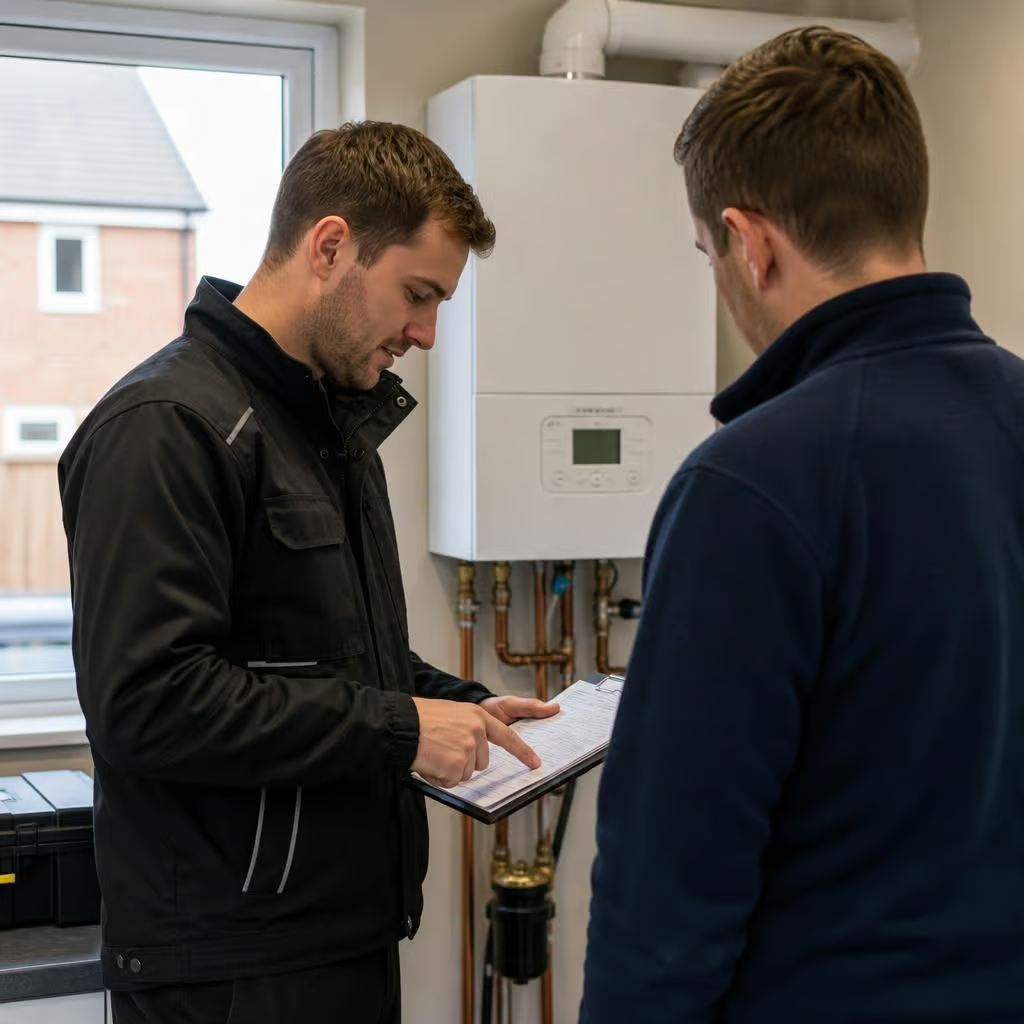
What should landlords prepare before the boiler service?
Arrange access, provide the tenant’s contact details, and tell us about any faults, unusual noises or heating problems. Have previous service records, the boiler instructions and any landlord safety paperwork available so we can check the system properly and record what we find.
Before a landlord boiler service, make sure the engineer knows exactly which appliances and checks are required, can work safely around the boiler, and has someone authorised to approve necessary repairs.
Confirm the appointment covers the right work. A boiler service and a landlord gas safety check are related but separate inspections. If the property needs a valid gas safety record, tell us when booking so we can confirm whether the boiler, other gas appliances and relevant flues all need checking. A boiler service on its own may not cover every appliance included in the property.
Make a complete appliance list. Include gas fires, cookers, water heaters and any other gas appliances supplied with the tenancy. If an appliance is in a communal area, outbuilding or separate dwelling, mention its location before the visit. This helps us plan the inspection and identify which flues and ventilation arrangements need attention.
Clear the working area. Remove stored items from in front of the boiler and from nearby cupboards. We may need to inspect pipework, isolation valves, the condensate route, ventilation and the flue. If the boiler is in a loft, utility cupboard or another restricted space, tell us in advance and make sure the route and working area are safe to use.
Leave the system ready to run. The boiler needs an electrical supply and, where relevant, fuel and water supplies to complete normal operating checks. Do not remove covers, adjust gas settings or attempt a repair before the appointment. Gas work must be carried out by a Gas Safe registered engineer.
Keep relevant property information together. The boiler model, installation instructions, control details and any manufacturer paperwork can help us identify the correct servicing procedure. If the system has a timer, smart control, hot water cylinder or unusual heating arrangement, make sure we know how the occupants normally use it.
Decide who can authorise follow-up work. A service can reveal a worn component, unsafe flue arrangement or another fault that needs attention. Agree in advance who the engineer should contact and what information they need before approving repairs. This avoids leaving the tenant waiting while the landlord, agent or property manager is identified.
Tell us about property changes. Mention recent building work, a new kitchen, changes to ventilation, replacement windows, an extension or alterations around the boiler and flue. These changes can affect combustion air, flue clearance or access, even when the boiler itself has not changed.
We record the appliance condition and explain any defect that needs attention. If the service forms part of the landlord’s gas safety arrangements, our Gas Safe registered engineer can also clarify which appliances have been checked and what further action is required. Keeping the service and safety paperwork with the property’s maintenance records makes the next inspection easier to arrange.
If the boiler has had repeated faults, gather any engineer reports or repair invoices from the last visit. We can compare those findings with the appliance’s current condition, rather than treating a recurring problem as a new fault.
Tell us if the tenant has noticed pressure loss, repeated resets, unusual smells or changes in hot water. Their observations can help us focus the service and explain any recommended work clearly in the report.