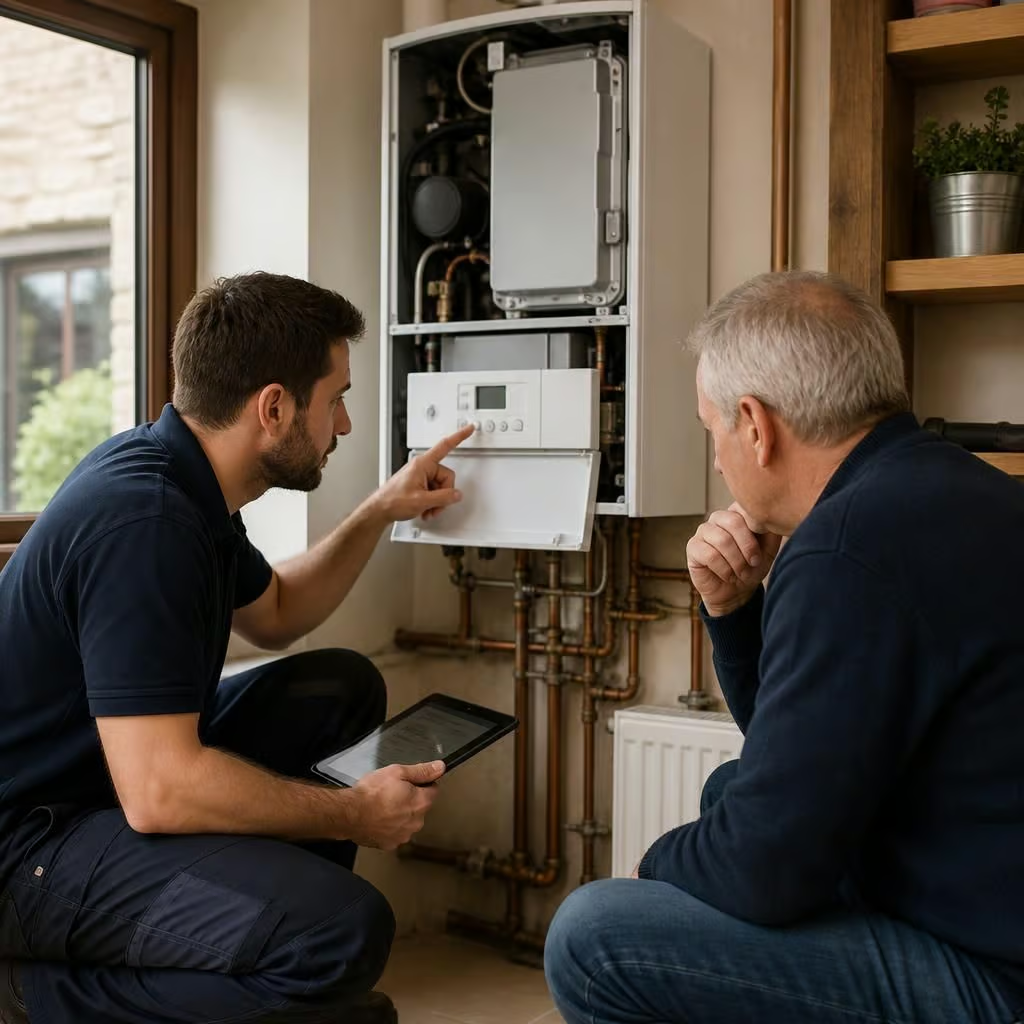
Is repairing my central heating system better than replacing it?
Repairing your central heating is usually better when the fault is isolated and the boiler and other components remain reliable. Replacement becomes more sensible when breakdowns keep returning, parts are difficult to source, or the system is no longer heating your home efficiently.
The decision should follow a proper diagnosis, not the boiler’s age alone. A repair can restore reliable heating when the fault is limited and the rest of the system is in reasonable condition. Replacement deserves consideration when the boiler is only one part of a wider problem, or when keeping it running no longer makes financial sense.
A boiler fault does not always mean the boiler needs replacing. No heating, poor radiator performance or repeated pressure loss can come from controls, pumps, valves, thermostats, wiring, expansion vessels, radiators or pipework. Replacing the boiler without finding the underlying cause can leave the same problem in place.
We begin by identifying what has failed and why. That includes checking the boiler’s operation, system pressure, safety controls, circulation, combustion where relevant, and the condition of accessible pipework and radiators. A simple component replacement may be enough. A more involved repair may still be sensible if it restores the system without leaving other known defects unresolved.
Your heating may be worth repairing when:
- the fault is confined to a replaceable component;
- the boiler has a sound heat exchanger and combustion system;
- radiators and pipework are not showing wider signs of corrosion or leakage;
- the repair gives the system a realistic period of dependable use; and
- parts, labour and any follow-on work remain proportionate to replacing the appliance.
A replacement becomes more practical when several parts are deteriorating together. Frequent breakdowns, difficult-to-source parts, corrosion, unsafe operation, persistent pressure problems or a heat exchanger fault can all change the calculation. So can a system that has never been matched properly to the home and now needs extensive work elsewhere.
The price of a repair is only one part of the comparison. We look at the likely cost of further faults, the condition of the controls and distribution system, and how much work a replacement would involve. A low-cost repair is not necessarily good value if it leaves an unreliable appliance and another major bill close behind. Equally, replacing a serviceable boiler simply because it is not new may waste money.
Efficiency also needs a practical assessment. A newer boiler may use fuel more effectively, but the improvement depends on how the heating system is controlled and operated. Poorly balanced radiators, unsuitable temperatures, blocked filters, sludge and basic controls can all affect performance. We can explain which changes would improve the existing installation before you decide that the boiler itself must go.
Your radiators and pipework matter during a replacement. If they contain sludge or corrosion, we may recommend cleaning or other remedial work before connecting new equipment. If rooms have always struggled to heat, we check radiator sizing rather than assuming a new boiler will solve the issue. Pipe routes, flue position, condensate drainage and electrical supplies can also affect the work required.
Older homes need particular care. A solid-wall house, barn conversion or listed property may have unusual pipe routes, limited service space or radiators that were installed for a different heat source. We plan around the building rather than assuming a standard layout. Properties heated by oil need an engineer registered for oil-fired work, while gas boilers must be worked on by a Gas Safe registered engineer. That puts the correct safety checks and legal requirements around the job.
Replacement is usually more disruptive than repair because it can involve draining the system, removing the old appliance, altering pipework, fitting controls and commissioning the new installation. We explain where access is needed and which radiators or floor areas may be affected before work starts. The installation is tested afterwards so the heating and hot water operate as intended.
Repair work is often less disruptive, but it should still include checks for the reason behind the fault. For example, a failed pump may relate to poor circulation or system contamination. A leaking valve may have caused damage nearby. A pressure problem may come from a vessel, safety valve or hidden leak rather than the pressure gauge itself. Understanding that chain helps prevent a short-term fix from becoming a repeated fault.
Controls can influence the decision too. An older boiler may work acceptably with improved time and temperature control, provided the appliance and wiring are compatible. We check the existing controls and electrical connections before suggesting an upgrade. If the boiler, controls, radiators and pipework all need attention, replacing part of the system may be less sensible than planning the work as one project.
You should receive a clear explanation of the fault, the available repair and replacement routes, and any work needed beyond the boiler. We provide a written quotation before work starts, so the cost and scope are clear before you make the decision. If repair is reasonable, we will say so. If replacement is the more responsible route, we will explain which evidence led us there rather than treating age alone as the reason.
For a home that is off the gas grid, replacement may also prompt a wider discussion about oil, LPG or a different heating arrangement. That decision depends on the property, insulation, emitters, controls, fuel storage and available space. It should follow a survey and a comparison of the work involved, not a generic promise about running costs.
If your boiler is still working but becoming unreliable, you don’t have to wait for a complete failure before deciding. A planned assessment gives you time to compare repairing the existing system with replacing it, without making that choice during a breakdown.
We can identify which work is essential now and which improvements can wait. That may allow a sound boiler to remain in service while you plan a larger upgrade, rather than replacing equipment that still has useful life. If the system is no longer a sensible candidate for staged work, we’ll explain why and set out the replacement work clearly.