
What should landlords prepare before an annual gas safety check?
Before we attend, arrange access to every landlord-provided gas appliance, its flue, controls and meter, and clear any cupboards around the boiler. Keep the previous gas safety record and service documents available, and tell us about faults, unusual smells or changes to the heating system.
The most useful preparation is to confirm what the inspection covers, make the property safe to work in and have decisions ready if the engineer finds a defect. A landlord must use a Gas Safe registered engineer for the annual gas safety check. The check is separate from a full boiler service, so tell us if you also want the boiler serviced.
Confirm which appliances are included. The landlord is normally responsible for gas appliances and flues provided as part of the tenancy. A tenant’s own appliance may fall outside that responsibility, but its connection or flue can still affect safety. Make a note of any appliance supplied by the tenant and ask us to confirm the inspection scope before the appointment.
Check the property details. Have the full address, flat or unit number and the names of any relevant tenants or managing agents ready. This prevents the safety record being issued against the wrong property, particularly where a landlord manages several similar homes.
Check the carbon monoxide alarms. Test every alarm fitted near a fixed combustion appliance and replace a faulty unit or expired battery before the visit. An alarm is an additional warning device; it does not replace the annual gas safety check or repair a dangerous appliance.
Keep the installation in its normal condition. Don’t remove a boiler casing, alter a flue, disconnect an appliance or attempt a gas repair before the engineer arrives. If another contractor has recently carried out building, plumbing or electrical work near the installation, keep details of what changed. This can help us assess whether the appliance, ventilation or flue arrangement has been affected.
Prepare for possible follow-up work. Decide who can authorise a repair if the engineer identifies a safety issue. If you use a letting agent or facilities contact, provide their name and phone number in advance. A failed appliance may need repair, isolation or replacement, and the next step can depend on the landlord’s instruction.
If an appliance is unsafe, we’ll explain the defect and the action needed. We may need to turn off the appliance or leave it disconnected until the fault is corrected. Don’t put it back into use simply because the property needs heating or hot water.
Once the inspection is complete, check that the gas safety record contains the correct property and appliance details, the inspection date, the results and any action required. The landlord must give the record to existing tenants within 28 days of the check and to new tenants before they move in. Keep the records for the period required for the tenancy and make them available to the relevant people.
For an older or off-gas-grid property, make sure we know if the heating system includes oil or LPG equipment as well as gas appliances. Those systems have different inspection requirements, so identifying them in advance helps ensure the right checks are arranged.
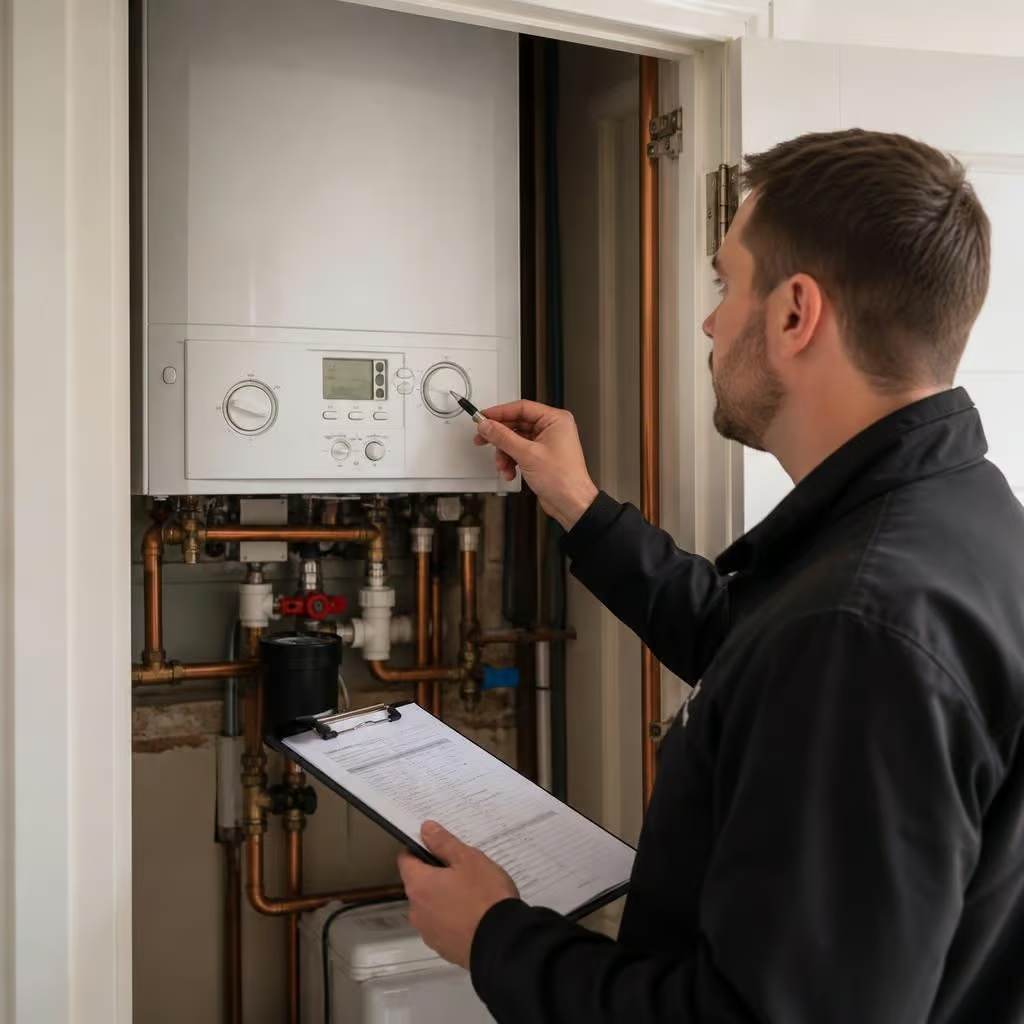
If the boiler or flue runs through a cupboard, loft or ceiling void, identify those areas before the appointment. Clear stored items from around the boiler and leave any existing inspection panels accessible. We may need to examine the flue route, not just the appliance itself.
If a flue is boxed in without suitable access, we’ll explain what needs to be opened or inspected before the check can be completed. Don’t remove fixed panels yourself. This gives the landlord a clear decision if minor building work is needed to make future inspections possible.