
What maintenance does an air source heat pump need?
An air source heat pump needs regular basic checks and a professional service, usually once a year, to keep the outdoor unit, filters, controls and heating system working efficiently. We inspect the refrigerant circuit, electrical connections, condensate drain, system pressure and heat emitters, then explain any work needed before it affects comfort or running costs.
Air source heat pump maintenance is usually straightforward. You can handle a few routine checks, while a qualified engineer should assess the heating circuit, controls and refrigeration components at the interval set for the system.
Keep the outdoor unit clear
Leaves, long grass, stored materials and snow can restrict the air moving through the unit. Keep the space around it clear, but don’t cover the fan or coil. Avoid washing the unit with a pressure washer, as this can damage the fins.
If plants have grown close to the unit or wind-blown debris has collected inside it, we can remove the obstruction safely during a service. The fan must also be able to run without rubbing or making an unusual noise.
Check the indoor system and heating controls
Your heat pump depends on steady water flow through the radiators or underfloor circuits. If a room becomes colder than usual, a radiator stays cool or the system shows a fault code, don’t keep resetting it without finding the cause.
We check the water circuit, pumps, valves and expansion components, then compare the operating temperatures with the design for the property. This can identify poor circulation, trapped air or a control setting that is making the system work harder than necessary.
Controls also need attention as the seasons change. A heat pump normally works most efficiently when it maintains a lower, steady temperature rather than repeatedly switching between very high and very low settings. We can explain the heating curve, room controls and hot water settings so the system matches how the house is occupied.
Clean or replace accessible filters
Some installations include filters or strainers in the heating circuit. These catch debris before it reaches pumps and valves, but they can restrict flow when dirty. We check the type fitted to the system and clean it or replace it where necessary.
Filters used by ventilation or air-handling equipment are separate from the heat pump itself. If your installation includes them, follow the manufacturer’s cleaning instructions and keep a note of when they were changed.
Watch for water, ice and unusual sounds
Water beneath the outdoor unit can be normal during defrosting. It should drain away freely rather than collect around the base. Ice that remains on the coil, repeated shutdowns, a rattling fan or a new vibration needs investigation.
Inside the property, look for damp around valves, cylinders and pipe connections. A gradual drop in system pressure may point to a leak or another fault in the heating circuit. Turn the system off and contact an engineer if water is escaping or an electrical fault is suspected.
What happens during a professional service?
We review the system’s operating history and any fault messages before testing the equipment. The service can include:
- checking the outdoor fan, coil, casing and mounting;
- checking water temperatures, circulation and system pressure;
- testing pumps, valves, sensors and safety controls;
- checking the hot water cylinder and immersion backup where fitted;
- reviewing control settings against the way the property is being used;
- checking electrical connections and protective devices;
- looking for signs of leaks, corrosion, vibration or blocked drainage; and
- recording faults and recommending corrective work where needed.
The engineer should also confirm that the system is operating within its intended temperature range. A heat pump that runs but cannot reach the required flow temperature may have a control, circulation, sizing or emitter issue rather than a simple serviceable fault.
Older homes need practical checks
In a solid-wall house, barn conversion or other older property, the building’s heat loss can change after insulation, window or draught-proofing work. Radiator performance and control settings may then need reviewing. We look at the heating system as a whole rather than treating the outdoor unit in isolation.
If the property is off the gas grid, the heat pump may work alongside an existing oil, LPG or electric system during a transition. The controls need to coordinate those heat sources correctly. We can identify where maintenance belongs to the heat pump and where the separate heating appliance needs its own service.
When to arrange a service
Follow the maintenance interval set for your equipment and installation. Arrange an earlier inspection if the house is taking longer to heat, hot water is running out sooner, electricity use appears to have changed noticeably, or the system is showing repeated warnings.
Keep the installation paperwork, service records and fault codes together. That information helps us trace a recurring problem and confirms which parts of the system have already been checked.
Routine cleaning and sensible control use prevent many avoidable problems, but maintenance cannot correct an unsuitable design or a failing component. If performance has declined, we can test the system and explain whether it needs adjustment, repair or a more substantial upgrade.
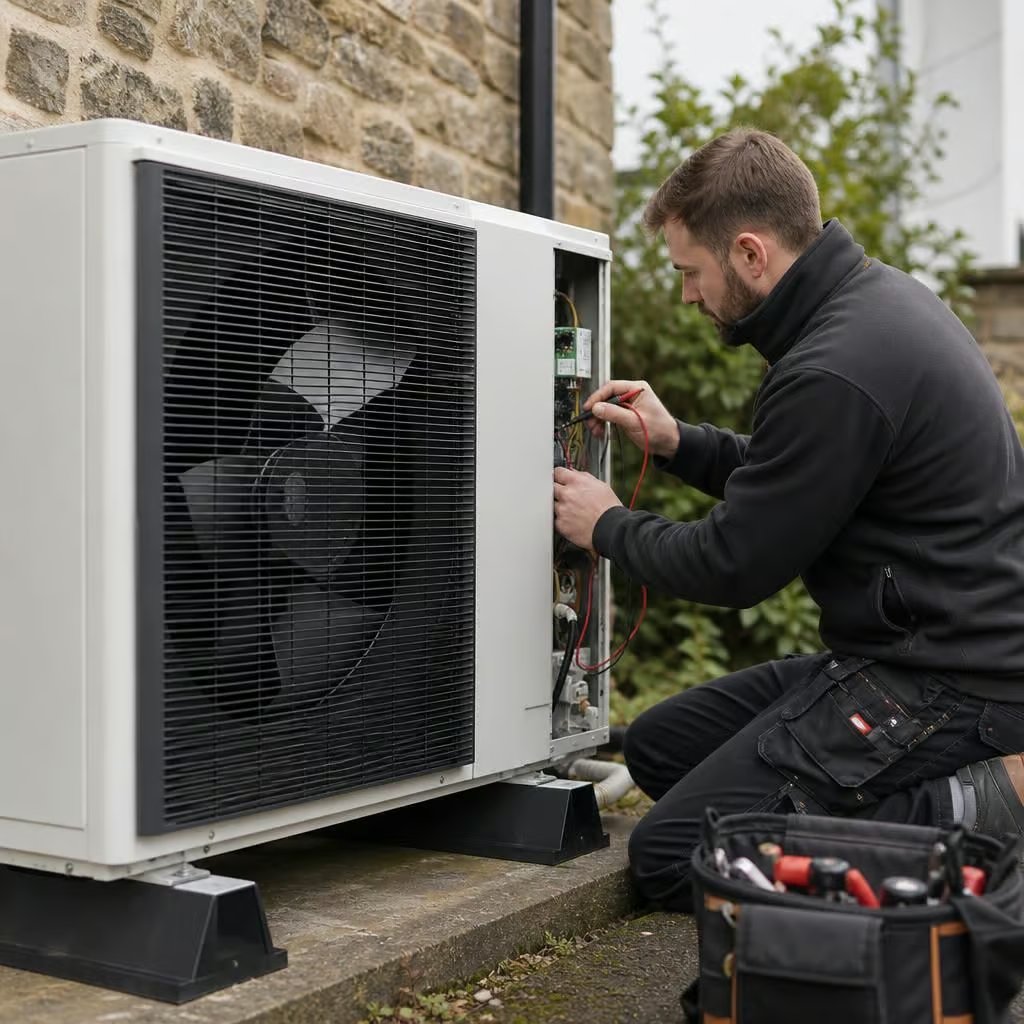
Routine checks should stay at the level of what you can see and hear. Keep the area around the outdoor unit clear and note changes in noise, drainage or heating performance. Don’t remove covers or work on electrical or refrigeration components; those checks need a qualified engineer.
If the system starts behaving differently, tell us what changed and when it began. We can separate a blocked airflow path or control setting from a circulation, sensor or component fault, so the right repair is considered instead of repeatedly resetting the system.