Is an oil or LPG boiler suitable for my property?
An oil or LPG boiler can suit a property without mains gas, particularly where there is space for a fuel tank and the existing heating system is in sound condition. We assess the building, flue, tank position, fuel storage and likely running costs before advising whether replacement, repair or a different heating system makes more sense.
An oil or LPG boiler can be suitable if the property has reliable fuel storage, safe equipment locations and a heating system that matches the home’s needs. It is not automatically the best choice simply because the property is off the gas grid. We compare the existing arrangement, the cost and practicality of fuel deliveries, the condition of the heating system and lower-carbon alternatives before recommending a replacement.
For many rural homes, keeping a familiar wet central-heating system can be the least disruptive option. That may matter if the house is occupied, has limited space for alterations or needs a replacement before a larger improvement project. A boiler replacement can also be more straightforward when the radiators, hot-water cylinder and controls are in reasonable condition.
Older properties need a more careful assessment. Solid walls, draughts, high ceilings and extensions can all affect the heating requirement. Listed buildings and barn conversions may also restrict where equipment, pipework or external components can go. We look at the construction and layout of the house rather than selecting a boiler from the existing model alone.
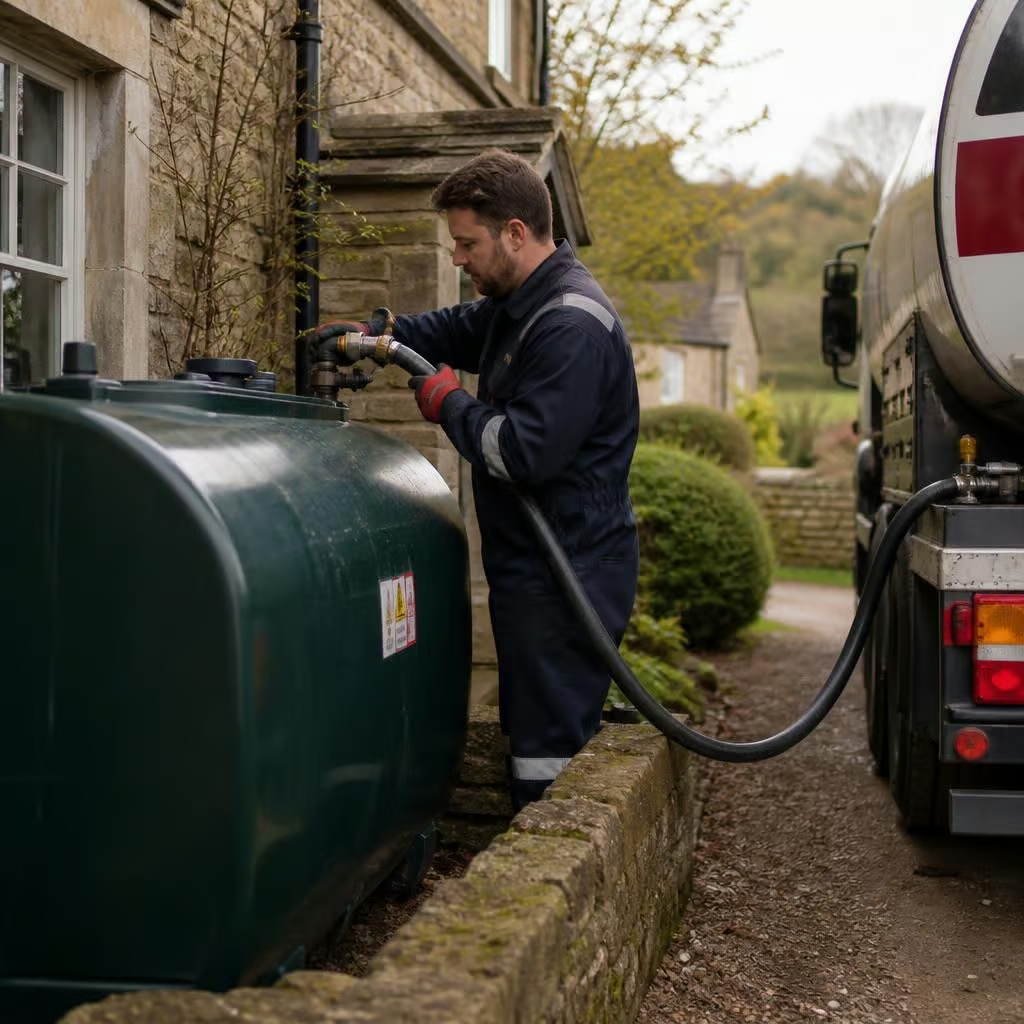
Oil may suit the property when:
- There is suitable space for an oil tank with safe access for deliveries.
- The tank, oil lines and boiler position can meet the relevant installation requirements.
- The household can plan deliveries and manage changes in oil prices.
- The existing heating system is in usable condition and a boiler replacement will avoid unnecessary disruption.
An oil tank needs more than a convenient place beside the boiler. Its position, base, separation from buildings and access for the delivery vehicle all matter. A tank that is old, damaged or poorly positioned can make a replacement more complicated. We include the tank and fuel supply arrangement in the assessment, rather than treating the boiler as a separate item.
Oil-fired work needs an engineer with the right registration and experience. Our OFTEC-registered engineers can assess the oil appliance, storage and associated pipework, so the replacement is considered as a complete fuel system.
LPG may suit the property when:
- A bulk LPG tank or cylinder arrangement can be accommodated safely.
- The property has suitable access for deliveries and enough space for the chosen storage method.
- The household accepts the need to monitor fuel levels and arrange deliveries.
- The boiler and hot-water system provide a practical fit for the building and the way it is used.
LPG storage has its own requirements. A bulk tank needs an appropriate location and delivery access, while cylinders need secure storage and regular attention to supply. The arrangement can affect the appearance of the property and the available garden or yard space. We check those practical points before treating LPG as a sensible long-term option.
Gas Safe registration matters for work on an LPG boiler. It shows that the engineer is legally qualified to work on gas appliances and associated gas pipework. We also check combustion, ventilation, controls and the discharge of combustion products as part of the installation.
Running cost is only one part of suitability. An oil or LPG boiler’s cost to run depends on the fuel price, the boiler’s condition, the control settings, the property’s heat loss and how much hot water the household uses. A larger boiler is not necessarily cheaper to run. Oversizing can lead to inefficient cycling and may add to the installation cost.
We assess the heating demand and the condition of the radiators, valves, pumps, cylinder and controls. If the system has sludge, restricted circulation or poorly balanced radiators, replacing the boiler alone may not resolve the underlying problem. The quotation should explain any recommended system cleaning, component replacement or control upgrade and why it is needed.
An oil or LPG boiler may also be unsuitable if fuel storage cannot be placed safely, delivery access is poor or the property needs extensive work to bring the system up to an acceptable standard. The same applies if the boiler location has inadequate ventilation, an unsuitable flue route or no practical way to deal with condensate and discharge pipework.
For a property considering a heat pump, we compare the whole heating system rather than assuming that a boiler is the only answer. That comparison can include insulation, radiator output, electrical capacity, hot-water arrangements, external space and the changes needed inside the house. A heat pump may suit some properties, while others may need fabric improvements or system alterations first.
During a survey, we consider:
- the building’s construction, insulation and likely heat loss;
- the boiler’s age, condition and output;
- the position and condition of the oil tank or LPG storage;
- the flue, ventilation and condensate arrangements;
- the radiators, pipework, hot-water cylinder and controls;
- delivery access and the space available for replacement equipment;
- any planning, building-control or listed-building constraints; and
- whether another heating system would be more appropriate over the longer term.
The result should be a clear choice, not just a boiler specification. If oil or LPG remains suitable, we explain which parts of the system need replacing and which can stay. If the storage, property or future heating plans make it a poor fit, we explain that before installation work begins. A written quotation then sets out the recommended equipment, associated work and any assumptions affecting the price.
For an existing oil or LPG system, regular servicing and attention to the tank, flue and controls remain important after installation. Keeping those components in good condition helps identify problems before they affect heating or hot water. We can advise on the maintenance requirements of the complete system as part of the replacement assessment.
The boiler must suit the way the home is used. A household with several bathrooms or frequent hot-water demand may need a different arrangement from a smaller home with steady, modest use. We consider when heating and hot water are needed, how quickly the cylinder recovers and whether the controls give enough control over separate rooms. That helps us recommend equipment that fits daily use, rather than simply replacing the old boiler with a similar model.