How long does a combi boiler installation take?
A straightforward combi boiler installation can often be completed in one working day. Older homes, difficult flue routes, system changes or radiator and pipework alterations can make the work take longer.
The installation period is set by the survey, not just by the boiler itself. A like-for-like replacement is usually a relatively contained job, while changing the boiler position, pipework or heating layout adds time.
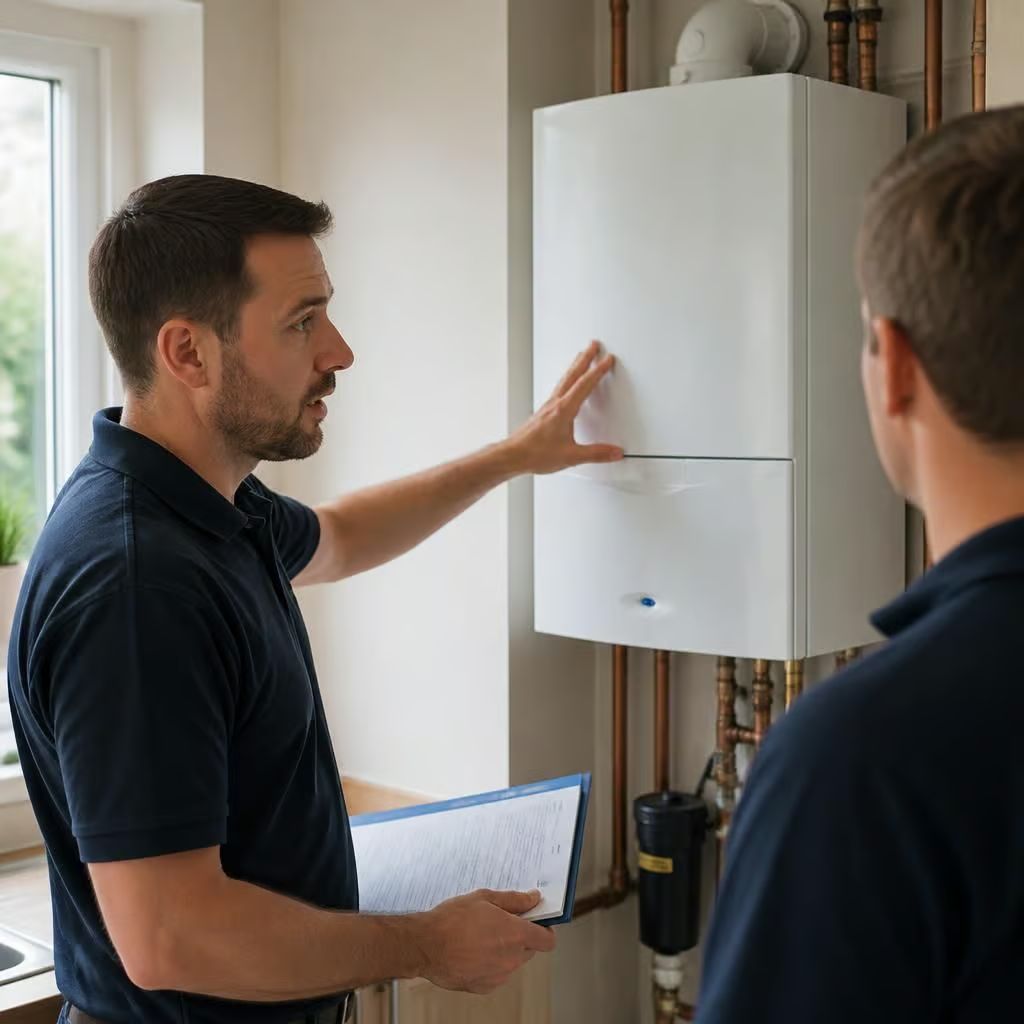
Before we book the work, we inspect the existing boiler, flue, condensate pipe, gas supply, heating controls and electrical connection. We also check whether the proposed boiler can use the existing mounting position safely. This lets us explain the expected timescale before you commit to the work.
What happens during the survey
- We confirm the boiler output needed for the home and check the heating system’s condition.
- We inspect the flue route and terminal position, including the clearances around the outside wall.
- We check the condensate route and identify whether it needs protection or replacement.
- We assess the gas pipe size, water connections and system pipework.
- We check the controls and electrical supply, including whether an updated control arrangement would improve the installation.
- We look for issues such as old valves, damaged radiators or leaks that could affect commissioning.
If the new combi is replacing an existing combi in the same position, the work is more predictable. The engineer can usually reuse suitable parts of the existing system after checking them. An installation takes longer when the boiler moves to another wall, the flue needs a different route, or the condensate pipe must be rerouted.
Changes that can extend the installation
- Moving the boiler: A new position may need extended heating, water, gas and electrical pipework. The flue route must also remain compliant.
- Changing the flue: A longer or repositioned flue can involve additional internal work and careful checks around windows, doors and neighbouring properties.
- Upgrading the gas supply: An older gas pipe may not provide the flow the new boiler needs. We may need to replace part of it before commissioning.
- Correcting old pipework: Previous alterations, restricted pipework or hidden leaks can only be dealt with once they are found and safely accessed.
- Replacing controls: New controls may require wiring changes or a different thermostat position.
- Improving the heating system: If radiators or valves are unsuitable, we can plan those changes alongside the boiler work rather than leaving the new appliance connected to a poorly performing system.
Older homes need a little more investigation because pipework may be concealed, altered over time or difficult to access. Properties heated by oil or LPG may also need a different approach, since installing a gas combi requires a suitable gas supply and flue arrangement. We explain the practical options rather than assuming that every home can take the same installation.
What happens on the installation day
We protect the working area before removing the old boiler and drain the relevant part of the heating system. The new boiler is connected to the gas, water, heating, condensate and electrical systems. We fit the flue and controls, then refill and check the system.
The engineer tests the gas installation, checks for leaks and commissions the boiler to the manufacturer’s instructions. We check the heating and hot water operation, explain the controls and leave the work area tidy. The installation paperwork is completed after the appliance has passed its safety and performance checks.
Gas boiler work must be carried out by a Gas Safe registered engineer. Our heating engineers use the commissioning process to identify problems before the boiler is handed over, rather than treating the installation as finished when the pipework is merely connected.
If we find an issue that was not visible during the initial inspection, we explain what it is and how it affects the work. We do not proceed with extra chargeable work without discussing it first. Our written quotation sets out the planned work before installation starts, so you can see what is included and what could change the timescale.
The clearest way to establish the duration is an on-site assessment. Once we have seen the boiler position, flue route and heating system, we can give you a realistic installation plan instead of relying on the boiler model alone.
A new combi boiler doesn’t automatically mean replacing the whole heating system. If the existing radiators, valves and pipework are suitable, we can keep them and limit the work to the boiler and its connections.
If the survey finds a leaking valve, restricted pipe or radiator that cannot provide enough heat, we’ll explain the effect before setting the installation date. You can then decide whether to include that work, with a clear quotation and a realistic timescale.