
How long does gas, oil or LPG boiler installation take?
A straightforward gas, oil or LPG boiler replacement is often completed in a day. If the flue, controls, pipework, oil tank or LPG supply need changing, we’ll explain the extra work and timescale before installation starts.
The time needed depends on whether the new boiler can use the existing flue, fuel supply, controls, radiators and pipework. A like-for-like replacement is relatively contained; moving equipment or correcting older parts of the system adds work.
Before we set an installation date, we inspect the boiler position, flue route, condensate discharge, fuel pipework, hot water cylinder and heating controls. For an oil-fired system, we also check the oil tank, supply line and boiler base. For LPG, we check the cylinder arrangement, regulator and pipework. These details determine the labour, materials and likely length of the installation.
Your home may need more preparation if the existing boiler is in a difficult position, the flue exits close to a window or boundary, or the condensate pipe cannot reach a suitable drain. Older systems can also have narrow or corroded pipework, poorly balanced radiators or controls that no longer suit the replacement boiler. We explain these points in the written quotation rather than adding them unexpectedly during the work.
A straightforward replacement: The existing boiler is removed and the replacement stays in the same general position. The flue and primary pipework need only limited alteration, so the work is usually completed within the planned installation period.
A replacement with system changes: New controls, a changed flue route, upgraded pipework, additional valves or a system clean can extend the work. Replacing a regular boiler with a combi boiler may also involve changes to the hot water cylinder, cold-water supply and stored-water pipework.
A boiler relocation: Moving the boiler creates extra work for the flue, condensate, heating pipes, hot-water connections and fuel supply. The new flue position must meet the relevant safety requirements, and the route may need to pass through cupboards, floors or walls. We assess this before work starts so the proposed timetable reflects the actual property.
Oil and LPG installations can take longer to arrange when the fuel system needs attention as well as the boiler. An oil tank may need a new connection or protection from damage. LPG pipework and regulators must be suitable for the appliance and cylinder setup. These checks matter particularly in rural homes where the heating system has developed in stages over many years.
On the installation day, we protect the working area, isolate the relevant fuel and water supplies, remove the old appliance and install the new boiler and associated components. We then test the flue, fuel supply, controls, heating circuit and hot water operation. If radiators or pipework have been altered, we check that the system heats correctly rather than treating the boiler as an isolated appliance.
Some work can be completed without removing kitchen units or opening large areas of flooring. However, concealed pipework, restricted access or a boiler in a loft or outbuilding can change the amount of preparation required. We point out likely access issues during the survey, including where floorboards, boxing or wall finishes may need to be opened.
Your heating may be unavailable while the old boiler is disconnected and the new system is commissioned. We explain the sequence in advance, including when water may need to be drained and when the system can be used again. If the work reveals unsafe wiring, damaged pipework or a failing valve, we discuss the finding before carrying out additional work.
Gas work is carried out by Gas Safe-registered engineers, and oil-fired work is covered by OFTEC registration. That means the engineer working on the appliance and fuel system has the relevant registration for the installation type. After commissioning, we provide the installation and safety paperwork that applies to the work, along with instructions for operating the boiler and controls.
The most useful way to plan is to allow time for the survey, quotation, any required parts and the installation itself. If the boiler is being replaced before it fails, we can identify changes in advance. That gives you a clearer timetable and reduces the risk of discovering that the flue, fuel supply or controls need changing halfway through the job.
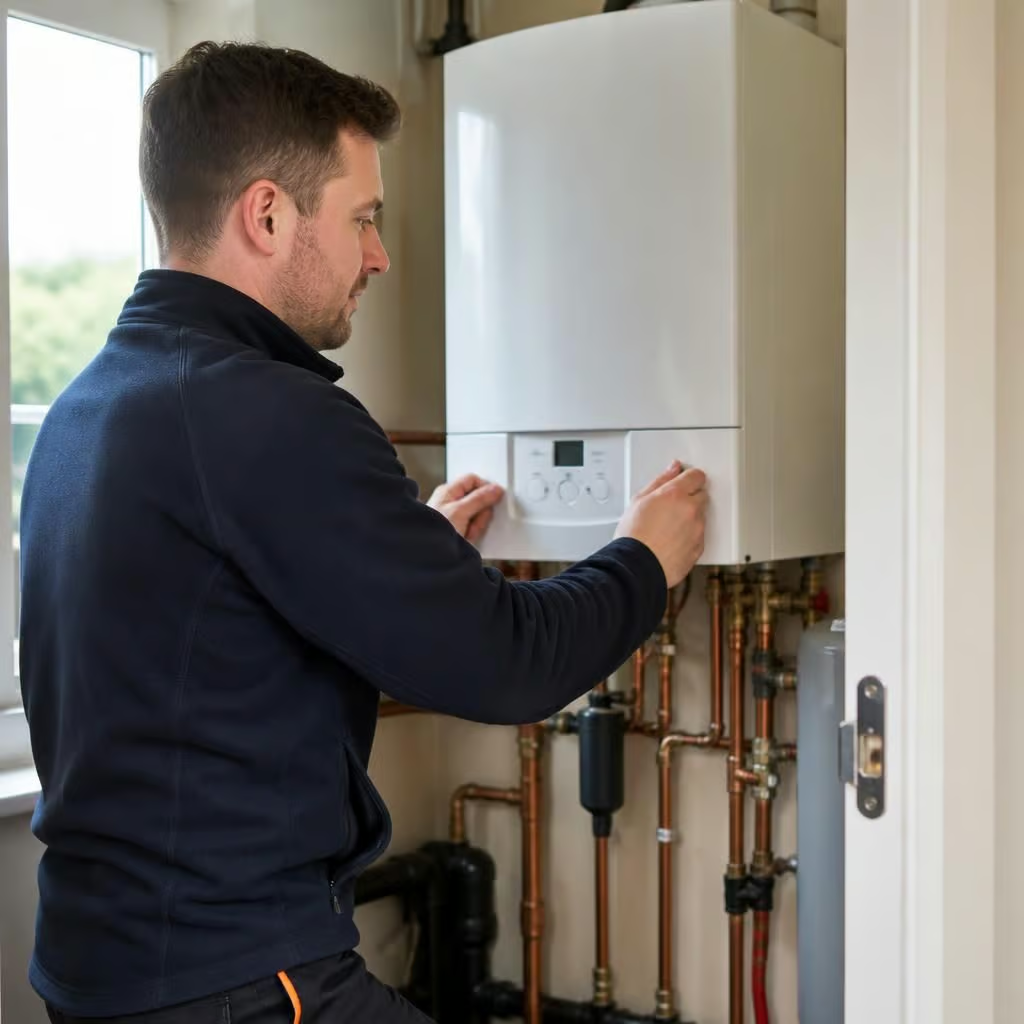
The installation time also depends on access. If the boiler, cylinder or oil tank sits in a loft, cupboard or outbuilding, we need a clear route for removing the old equipment and bringing in the replacement. Clearing stored items before we arrive can prevent avoidable delays.
Once the new boiler is fitted, we allow time for commissioning rather than treating the job as finished when the appliance is mounted. We set the controls, check the heating and hot water, and explain the basic operation before we leave.