
Can you replace a boiler in an older or off-gas-grid home?
Yes. An older or off-gas-grid home can still have its boiler replaced, whether it runs on oil, LPG or gas. We assess the fuel supply, flue, radiators and pipework first, then recommend a suitable replacement for the property.
Older construction is not, by itself, a reason to keep an ageing boiler. A replacement can usually be designed around the house, the available fuel and the existing heating system. The important part is checking the whole installation rather than changing the boiler alone.
Solid walls, high ceilings, large rooms and extensions can all affect the heat the property needs. We assess how the house is used, where heat is being lost and whether the existing radiators can deliver enough warmth. If some rooms are consistently cold, replacing the boiler without addressing the underlying issue may leave the same problem in place.
Your existing radiators may be suitable for the new boiler, but their condition and output still matter. We look for corrosion, cold spots, leaking valves and radiators that are too small for the rooms they serve. We also examine the main heating pipework, circulation pump, controls and safety components. This shows whether the replacement can connect to the existing system or whether selected parts should be renewed at the same time.
Older heating systems often contain sludge or magnetite. That contamination can restrict circulation and damage new components. We assess the system water and recommend cleaning or protection where it is needed. A suitable filter, renewed valves or improved controls may help the new boiler operate reliably, but we only include work that the survey supports.
An off-gas-grid property needs a different check from a home connected to the mains gas network. An oil installation depends on the tank, oil line, fire valve, boiler location and flue arrangement. An LPG installation depends on the storage arrangement, regulator, pipework and available supply. We check that the fuel system can support the proposed appliance and identify any safety or compliance work before installation.
Oil-fired work is carried out by OFTEC-registered engineers, so the person working on the system has the relevant competence for an off-grid oil installation. Gas and LPG work is carried out by Gas Safe-registered engineers, which is the legal requirement for work on those appliances. You receive the appropriate commissioning and compliance paperwork for the completed installation.
The boiler position may also limit what can be fitted. In an older house, the existing flue might pass through a wall, roof or awkward cupboard. The replacement must have a suitable flue route, safe clearances and an appropriate way to remove condensate. We assess access for installation and future servicing before recommending the appliance position.
A listed building, barn conversion or home with unusual construction may need extra care. The visible flue, external pipework, oil tank position and wall penetrations can affect the appearance of the property. We take those constraints into account during the survey and explain where the installation may need to differ from a standard modern house. Planning or building control requirements can depend on the property and the proposed work, so we flag these points rather than assuming every installation follows the same route.
Some older homes have open-vented heating with a feed-and-expansion tank, while others have a sealed system or an older hot-water cylinder. The new boiler must match the way hot water is stored and delivered. We check the cylinder, tanks, pressure, expansion arrangements and controls before deciding whether the present layout can remain. If the hot-water arrangement is no longer suitable, we explain the practical alternatives and their effect on space, pipework and installation work.
A boiler change does not automatically require every radiator or pipe to be replaced. It also does not make every existing component suitable by default. We separate essential safety and compatibility work from improvements that are optional, so you can understand what the quotation covers and why.
For some homes, keeping the same fuel and replacing the boiler is the simplest route. For others, a wider change may be worth considering, particularly if the property is difficult to heat or the existing fuel system is nearing the end of its useful life. We can discuss the heating demand, available space and expected disruption before you choose between a like-for-like replacement and a larger upgrade. A heat pump is a separate design decision, not an automatic substitute for a failed boiler.
Before work starts, we provide a written quotation based on the survey. It sets out the proposed boiler, associated work and any allowances or exclusions, so you can compare the decision on more than the appliance price. If the installation reveals an issue that could not reasonably be seen beforehand, we explain it before carrying out additional chargeable work.
Once the replacement is complete, we commission the system, check its operation and show you the controls. You should know how to set the heating and hot water, what the warning indicators mean and which paperwork to keep. The engineers leave the work area tidy, with the old equipment and waste dealt with as part of the agreed installation.
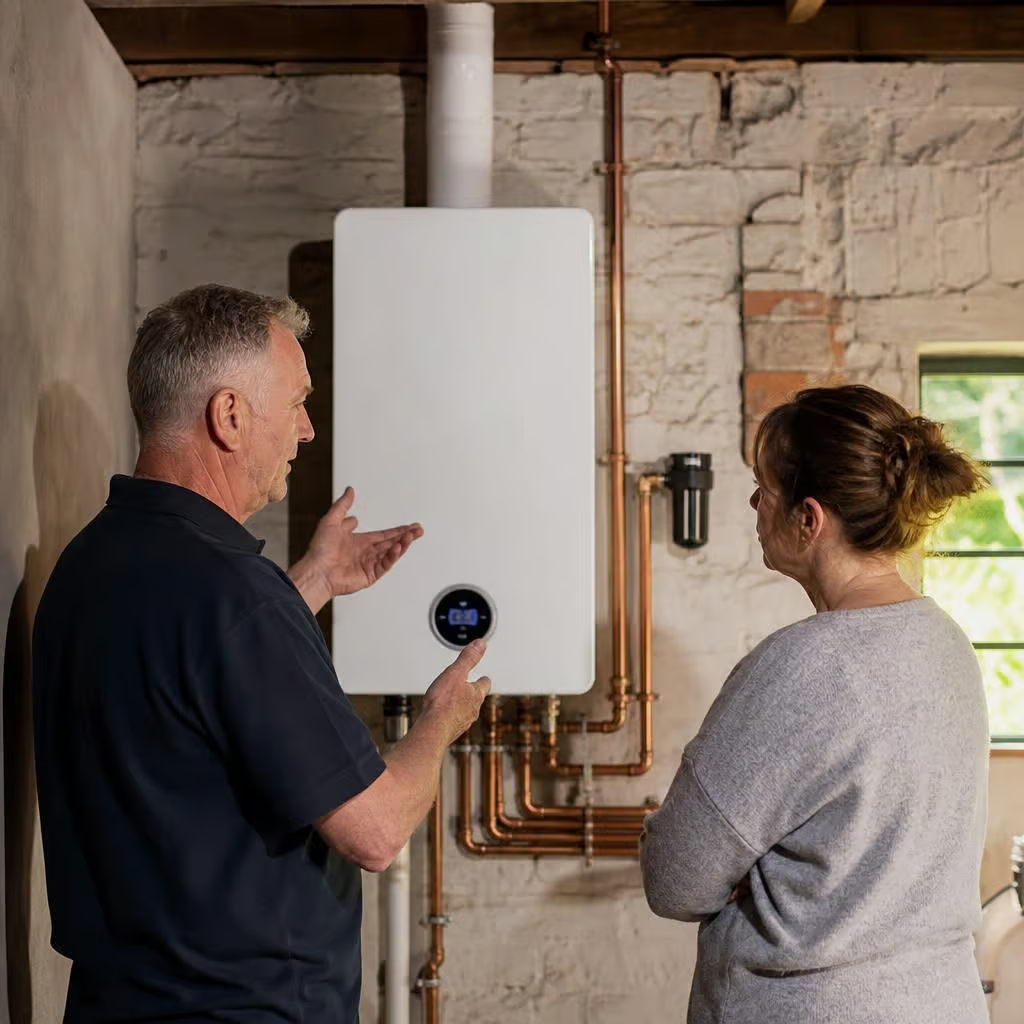
An older home does not need to be brought up to modern building standards before its boiler can be replaced. If insulation, draughts or room temperatures are part of the problem, we separate those improvements from the boiler work.
That gives you a clear choice: replace the appliance now and plan fabric improvements later, or coordinate both where the timing makes sense. The quotation shows which work is needed for safe operation and which changes are recommendations for improving comfort.